
Why Are People Turning to Hydroponic Garden Systems for Year-Round Food Production?
How climate uncertainty is changing home food-growing behavior
Weather patterns have grown less predictable. They make traditional farming more frustrating for the average person. Sudden late frosts appear without warning. Extended droughts last through the summer months. When growers depend on outdoor conditions, they leave their harvest to chance. This uncertainty causes a major change in behavior. Many people now turn to indoor hydroponic garden systems. These systems let them control the environment completely. The control leads to dependable year-round food production.
Why seasonal limitations make traditional gardening less predictable
Traditional gardening follows the seasons closely. Growers plant in the spring. They harvest in the fall. Then they wait during winter. This pattern limits fresh food availability. It also leaves growers open to pests that appear in certain seasons. Climate change can affect them too. When people move their crops indoors, they avoid these limits. The indoor space lets them create perfect growing conditions every day.
The rise of indoor hydroponic gardening as a lifestyle shift toward food independence
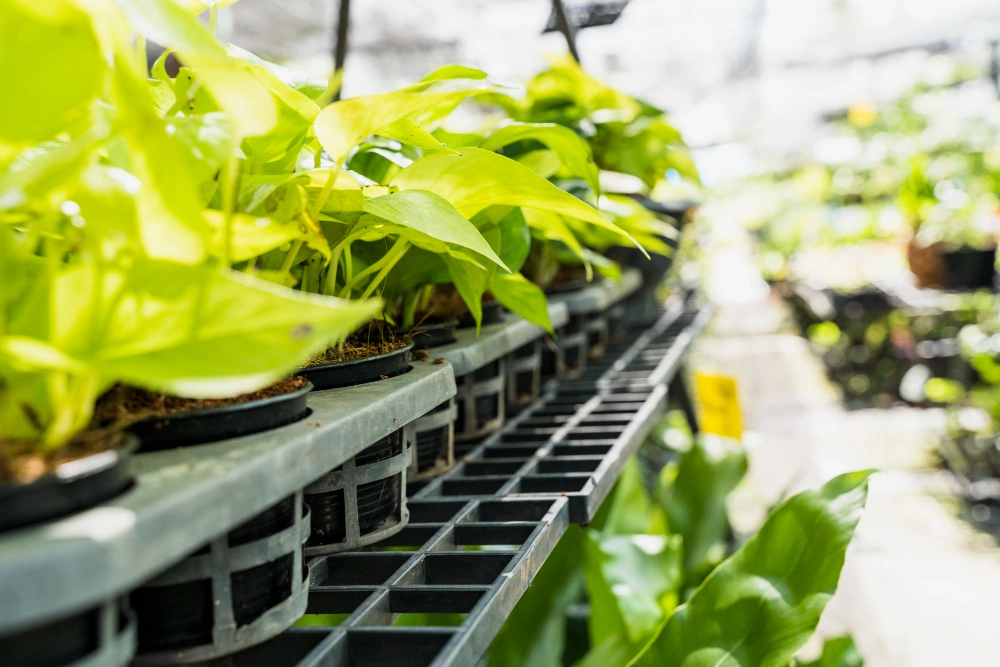
Growing your own food has become more than a simple hobby. It represents a move toward greater self-reliance. Indoor hydroponic gardening helps people decide what they eat. At TIDESTAR, we have observed this change since our founding in 2008. Bringing the garden indoors lets people grow good-quality crops in their own living areas. This approach gives them a steady supply of safe and fresh food.
How Do Hydroponic Garden Systems Enable Continuous Indoor Growing?
Why can plants grow without soil in controlled environments
Plants do not require soil to live. They need nutrients, water, and oxygen. Soil usually provides these things. In a hydroponic setup, nutrient-rich water goes straight to the roots. For instance, hydroponic ebb and flow trays use pumps and a large water reservoir. These trays flood the roots with nutrients and water at set times. This process supports strong and ongoing growth.
How stable indoor conditions support continuous growth cycles
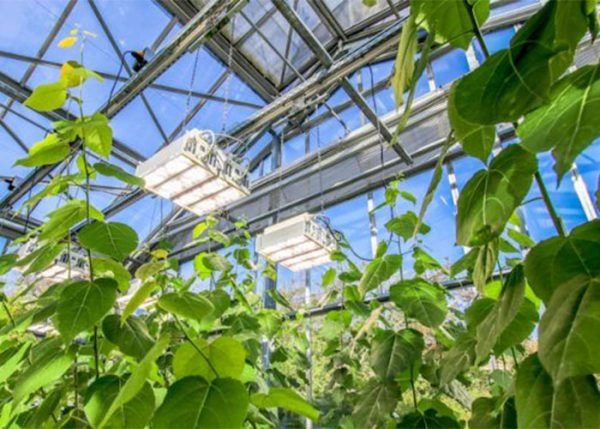
Continuous growth needs steady conditions. Growers control temperature, humidity, and airflow. Plants then avoid stress from sudden changes. Equipment such as the TIDESTAR Samsung LM301B LED Grow Light 720w Built-in LED Driver Grow Lights Full Spectrum offers a full light spectrum. This light works for both vegetative and flowering phases. Plants receive the energy they need to grow well.
What makes “year-round organic produce” possible in indoor systems
It is quite possible to achieve year-round organic produce indoors. The indoor setup removes the need for strong chemical pesticides. Outdoor soil diseases and insects stay outside. Growers can use clean organic nutrients instead. The closed system protects the plants. It leads to clean and healthy crops every month.
What Problems Do Hydroponic Garden Systems Actually Solve for Home Growers?
Limited outdoor space in urban living environments
Many people lack a large backyard. Hydroponics addresses this problem. It permits dense vertical growing. A traditional growing space equal to an acre can fit into a small indoor area. Apartment residents and city homeowners can grow significant amounts of food. They can use a spare closet or just one corner of a room.
Inconsistent sunlight and weather dependency challenges
A week of clouds can slow down a traditional garden. Indoor growers produce their own light. They use advanced lighting systems. One example is high-efficiency white light quantum boards with LM281B Samsung diodes. These lights reduce energy use. At the same time, they deliver strong light. This approach ends the worry about changing weather.
Difficulty maintaining soil quality and pest control outdoors
Outdoor soil loses quality over the years. It needs regular improvement. Hydroponic systems remove this issue. They do not use soil at all. Nutrients are delivered with exact measurements. The lack of dirt also reduces common garden pests. This cuts down the work needed for pest control.
Are Indoor Hydroponic Gardens Really Better Than Traditional Gardening?
Differences in growth speed and plant consistency
Hydroponic plants do not spend energy on pushing roots through heavy soil. They do not search for nutrients in the ground. Instead, they use that energy for fast growth and fruit production. The roots receive oxygenated water with plenty of nutrients. This leads to quicker growth. Plant sizes and yields stay very consistent.
Taste, freshness, and perceived “organic quality” comparison
Produce that travels long distances loses taste and nutrients quickly. Crops from a home hydroponic garden are harvested at the right time. They are eaten right away. This freshness creates a much better taste. It often tastes better than organic produce from stores that have spent time in transport.
The learning curve: what beginners usually misunderstand
New growers sometimes think hydroponics runs itself from the start. The system is efficient, but it needs basic knowledge of water chemistry. Regular monitoring remains important. Tools like our 2-in-1 EC / Temperature Pen Meter simplify the task. This tester works well for hydroponic use.
What Should You Know Before Starting an Indoor Hydroponic Garden?
Common expectations vs real growing experience
The benefits are large. However, setting up hydroponic garden systems needs early planning and regular checks. The process is like a rewarding science project. You must watch water levels closely. You look for any signs of missing nutrients. Small changes to the growing climate become necessary as plants develop.
Maintenance habits that affect long-term plant success
Regular care leads to lasting success. This care involves changing the reservoir often. It includes cleaning the pumps. It also means looking after air filtration. For example, a carbon filter needs its pre-filter replaced every 6 months. This protects the main filter. It also keeps odor control working well.
Space, lighting, and placement considerations for home setups
The growing area must handle heat and humidity from lights and water. Good air movement is very important. An 6inch 8inch 10inch 12inch Super Silent EC Mixed Flow Inline Duct Fan helps reduce indoor pollutants. This improvement benefits the air quality for the plants.
What Are the Future Trends in Hydroponic Garden Systems and Indoor Farming?
How urban farming is reshaping home food production habits
More people live in cities now. This leads to food production moving into homes. We see many individuals turning basements, garages, and extra bedrooms into small productive farms. This development changes how communities obtain their food.
Why smart indoor gardening is becoming more mainstream globally
Automation makes indoor growing easy for more people. Current setups include smart tracking of conditions. Devices like a Greenhouse CO2 Controller check temperature, humidity, and CO2 levels. They give growers a complete picture of the environment.
The growing demand for sustainable year-round food solutions
People understand the large carbon footprint from regular farming and long transport. Growing year-round organic produce at home reduces food transport to nothing. It also uses much less water than soil-based methods. These advantages make indoor hydroponics an important part of future sustainable practices.
FAQ
Q: What is the best way to start with indoor hydroponic garden systems at home?
A: It is smart to begin with a small setup. One simple approach uses a large plastic tote for the nutrient solution. The plants sit in a deep tray on top of the lid. Combine this with a dependable LED light and a basic water pump. This combination lets you learn nutrient management step by step. You will not feel overwhelmed.
Q: Can indoor hydroponic gardening truly provide year-round organic produce?
A: It can. The system removes uncertain weather, frost, and drought from the process. This creates steady growing conditions all year. Full-spectrum lighting and exact climate control support ongoing harvests, no matter the conditions outside.
Q: Do hydroponic garden systems require a massive amount of electricity to operate?
A: They need power for lights and water movement. Modern equipment keeps energy use low. For instance, high-efficiency white light quantum boards with LM281B Samsung diodes reduce costs. They still deliver the strong light plants require for healthy development.
Q: How do home growers manage air quality and humidity in an indoor hydroponic garden?
A: Good airflow prevents mold and stagnant air. Ventilation equipment stops mold from forming. It also lowers the level of indoor pollutants. Growers often connect an inline duct fan to an activated carbon filter. This setup removes old air and controls plant odors.
Q: Is it difficult to maintain the correct nutrient levels for hydroponic plants?
A: It requires regular checks rather than difficult skills. Testing the water often makes the task clear. An economical and reliable 2-in-1 EC / Temperature Pen Meter lets you measure conductivity and temperature quickly. This ensures the plants receive proper nutrition.


