

Seleccionar una lámpara LED para cultivo implica más que una simple decisión entre tecnología nueva y antigua. Las plantas reaccionan a los fotones en el follaje. Los cultivadores deben tener en cuenta el calor, el espacio, la humedad y la etapa de desarrollo del cultivo. Por lo tanto, una comparación útil va más allá de los vatios y el brillo visible. Considera la luz que las plantas pueden aprovechar y la cobertura que proporciona.
¿Qué lámparas de cultivo tradicionales son relevantes para la comparación de lámparas de cultivo LED?
Las luces de cultivo tradicionales en esta zona incluyen lámparas de sodio de alta presión (HPS), halogenuros metálicos (MH), halogenuros metálicos cerámicos (CMH) y fluorescentes. Las HPS, MH y CMH son sistemas de descarga de alta intensidad (HID); las lámparas fluorescentes se utilizan en aplicaciones de menor intensidad. Cada una tiene características diferentes en cuanto a espectro, ubicación y emisión de calor.
¿En qué se diferencian las lámparas HPS, MH y CMH para el cultivo en interiores?
La luz emitida por las lámparas HPS suele predominar en tonos rojos y amarillos, mientras que la de las lámparas MH tiende a ser más azulada. Las lámparas CMH son una variante de halogenuros metálicos cerámicos con un espectro HID más amplio. Las tres concentran la luz en una fuente compacta.
¿En qué se diferencian las luces fluorescentes de los LED para horticultura?
Las lámparas fluorescentes son ideales para plántulas, esquejes y pequeños sistemas de cultivo en estanterías, ya que requieren una menor intensidad lumínica. Los tubos fluorescentes distribuyen la luz a lo largo de toda su longitud. Sin embargo, si el follaje es denso y con abundante floración, puede ser necesario utilizar más de un tubo.
¿Cómo se compara una lámpara de cultivo LED en cuanto a la cantidad de luz útil para las plantas?
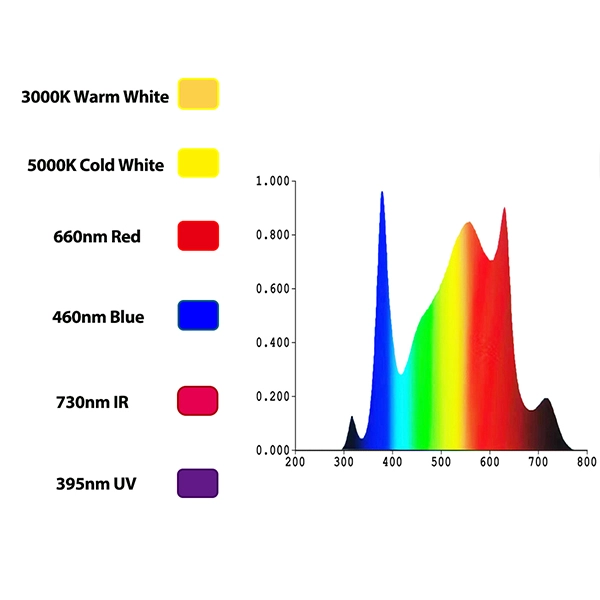
La luz útil para las plantas es el factor clave. Una luminaria puede parecer brillante o consumir mucha energía sin proporcionar la densidad de fotones necesaria de manera uniforme. Evalúe el cultivo, las dimensiones de la copa, la altura de montaje, el espectro y la distribución de la luz en conjunto.
¿Por qué el PPF, el PPFD y el EPI son más útiles que los lúmenes?
La densidad de flujo de fotones fotosintéticos (PPFD) representa la densidad de flujo de fotones fotosintéticos en una superficie determinada, como una hoja, que disminuye con la distancia a la fuente. El lumen mide la luz visible a simple vista y no incluye las longitudes de onda que las plantas utilizan para su crecimiento. La eficiencia de fotones fotosintéticos (PPE) está relacionada con la electricidad, por lo que la PPFD de las luces de cultivo en el dosel vegetal tiene más sentido que los lúmenes por sí solos.
¿Cómo se compara el control de espectro con la salida fija de HPS y MH?
Las lámparas tradicionales tienden a tener un espectro estático. Las lámparas LED de cultivo de espectro completo son capaces de distribuir diodos específicos a lo largo del espectro visible, además de incorporar luz UV-A y roja lejana en algunos modelos. La información sobre la luz es captada por los fotorreceptores de las plantas y puede afectar su forma y composición química; por lo tanto, el espectro debe estar en consonancia con el objetivo de cultivo.
¿Qué tecnología de iluminación proporciona una cobertura más uniforme del dosel vegetal?
Una fuente HID compacta puede generar un centro intenso y bordes más débiles a menos que se planifiquen cuidadosamente la altura y el espaciado. Los LED tipo panel y tipo barra distribuyen los emisores en un área mayor, lo que facilita el diseño de una cobertura uniforme del dosel. Utilice un mapa PPFD completo.
¿Cómo afectan las luces de cultivo LED y tradicionales al calor y al entorno de cultivo?
Todos los sistemas de iluminación generan calor. La diferencia radica en dónde se genera, cómo llega a las hojas y cómo se disipa. Evalúe la emisión de calor de las luces LED de cultivo considerando los controladores, el flujo de aire, la refrigeración y la distancia al dosel vegetal.
¿Cuál es la diferencia entre la calefacción radiante y la calefacción por luminarias?
Las lámparas HID pueden enviar energía radiante hacia el follaje mientras calientan la lámpara, el reflector y el balasto. Los LED también convierten la energía eléctrica no utilizada en calor, pero gran parte de ella se conduce a las placas, los disipadores de calor y los controladores. Una menor carga radiante de las hojas no significa que no haya calor en la habitación.
¿Cómo puede una lámpara de cultivo LED modificar la temperatura de las hojas y el VPD?
Tras un cambio de temperatura entre lámparas LED y HPS, la temperatura del aire puede parecer estable mientras que la temperatura de las hojas varía. Dado que la VPD depende de la temperatura y la humedad, la VPD bajo luces de cultivo LED puede ser diferente. Vuelva a comprobar la temperatura de las hojas, la humedad, la respuesta al riego y la transpiración en lugar de copiar la configuración anterior.
¿Qué lámpara de cultivo funciona mejor en espacios con techos bajos o de varias plantas?
Los techos bajos, las carpas de cultivo y las estanterías apiladas dejan poco espacio para mezclar un punto central de luz. Las luminarias LED delgadas, regulables y distribuidas ofrecen flexibilidad de instalación, por lo que las luces LED para cultivo vertical son comunes. El espacio libre, la posición del controlador, el acceso para el mantenimiento y la medición de la densidad de flujo de fotones fotosintéticamente activos (PPFD) siguen siendo esenciales.
¿Qué tecnología de iluminación se adapta mejor a los diferentes sistemas de cultivo?
No existe un ganador universal. TIDESTAR fabrica y vende productos para el cultivo de plantas de interior, incluyendo luces LED, sistemas hidropónicos y otros equipos, tanto para aficionados como para cultivadores comerciales. Nuestras opciones de iluminación son más útiles cuando se adaptan a un dosel definido. Compare la etapa de cultivo, la intensidad, la altura, la temperatura y la infraestructura.
Lámparas LED frente a lámparas fluorescentes para el cultivo de plántulas y la propagación.
Para una pequeña repisa de propagación, las luces fluorescentes pueden seguir siendo útiles cuando una iluminación de menor intensidad y menor área es suficiente. Una luz regulable Familia de paneles de luces LED de cultivo de Samsung Ofrece potencia ajustable y permite alcanzar niveles de intensidad más altos. La familia de paneles de iluminación LED para cultivo de Samsung está disponible en varias potencias. Elija la mejor luz de cultivo para plántulas según el PPFD deseado y la respuesta de los tejidos.
Iluminación LED frente a lámparas HPS para armarios de cultivo y cultivo de ciclo completo.
En una tienda de cultivo, la decisión entre luces LED y HPS a menudo depende de la cobertura y el control ambiental. Barra de luz LED Samsung para horticultura y cultivo Se trata de una luminaria regulable de estilo barra, diseñada para uso hortícola de ciclo completo; sus emisores se distribuyen uniformemente sobre la superficie de iluminación. Esta geometría permite un uso continuo, ya que la altura y la intensidad se ajustan para cada etapa.
¿Cuándo pueden seguir siendo útiles las lámparas HPS en salas de cultivo frías?
Las lámparas de sodio de alta presión (HPS) siguen siendo prácticas cuando el equipo está instalado, la habitación tiene altura suficiente y el calor radiante ayuda durante los períodos fríos. Evalúe todo el sistema: la demanda de refrigeración puede disminuir en invierno, pero aumentar posteriormente. La antigüedad de la lámpara, el estado del reflector, la uniformidad y el consumo eléctrico son factores importantes.
¿Cuándo tiene sentido utilizar iluminación híbrida en invernaderos?
Los invernaderos reciben luz natural variable, por lo que la iluminación suplementaria para el cultivo difiere de la iluminación interior exclusiva. Una estrategia híbrida permite mantener la capacidad de las lámparas HPS a la vez que se añaden LED controlables para cubrir las necesidades estacionales o para una mejor distribución de la luz. Es importante evaluar las necesidades diarias de luz, la calefacción en invierno, la refrigeración en verano y la integración del sistema de control.
¿Qué deben saber los cultivadores antes de sustituir las luces tradicionales por luces LED de cultivo?
Los cambios tecnológicos también modifican las prácticas de cultivo. Una conversión exitosa de lámparas HPS a LED comienza con la definición del estado óptimo del follaje, para luego seleccionar la potencia y la disposición. No se trata de igualar la potencia de la lámpara anterior.
¿Por qué es engañoso comparar la potencia de las luces de cultivo vatio por vatio?
Una lámpara HPS de alta potencia y una LED comparable pueden diferir en PPE, distribución, espectro y altura de montaje. La potencia indica el consumo eléctrico, no la densidad de flujo de fotones fotosintéticamente activos (PPFD) del dosel. Para reemplazar una lámpara HPS por una LED de cultivo, compare la PPFD objetivo, la cobertura, el rendimiento en los bordes, la eficiencia y las limitaciones de espacio.
¿Cómo se deben restablecer la altura de suspensión y la intensidad de la luz?
Empiece por el rango probado y luego ajuste la altura de la lámpara de cultivo y la intensidad de la luz para el dosel. La densidad de flujo de fotones fotosintéticamente activos (PPFD) disminuye con la distancia, mientras que acercarse demasiado puede reducir la uniformidad o generar una intensidad excesiva. Soluciones de iluminación TIDESTAR Incluye formatos de panel y barra regulables, pero la configuración depende de la medición y la respuesta de la planta.
¿Qué deben comprobar los cultivadores en un mapa de PPFD?
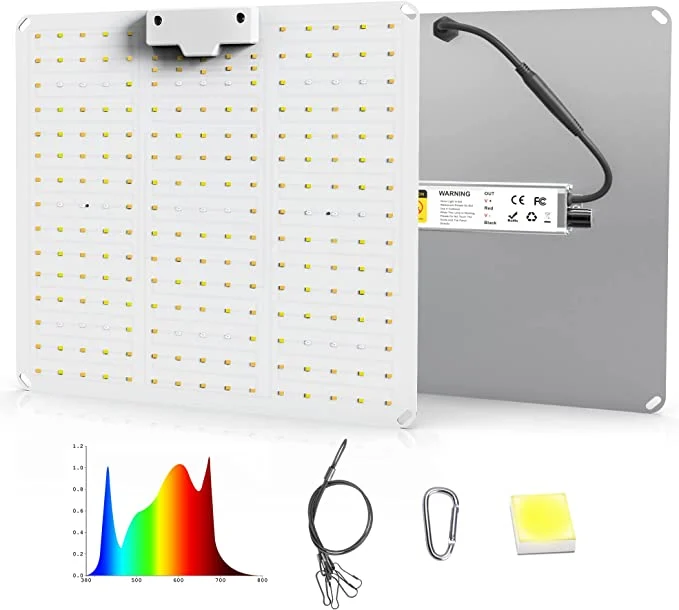
Para comparar una lámpara de reemplazo, utilice la densidad de flujo de fotones fotosintéticamente activos (PPFD) en la copa de los árboles, no solo la potencia o el flujo luminoso. La respuesta de la planta puede revelar tanto una iluminación insuficiente como una intensidad excesiva, por lo que el mapa de PPFD debe leerse a la altura de prueba, teniendo a la vista los valores del centro, los bordes, el promedio y la uniformidad. Confirme que las paredes, los reflectores, la atenuación y la cuadrícula de medición coincidan con su configuración.
¿Cómo deben elegir los cultivadores entre una lámpara de cultivo LED y la iluminación tradicional?
Dependiendo de cómo valores las siguientes siete características: intensidad de la luz, uniformidad de la cobertura, altura del techo, temperatura ambiente, edad de las plantas, control ambiental e instalaciones existentes, puedes optar por una lámpara de cultivo LED o convencional. Las lámparas HPS son ideales para diseños flexibles y precisos. Se pueden usar en cámaras frigoríficas o instalaciones ya existentes.
Preguntas frecuentes
P: ¿Es mejor una lámpara de cultivo LED que una lámpara de cultivo HPS para plantas de interior?
R: Es más fácil de distribuir y atenuar, pero lo que es "mejor" depende de la densidad de flujo de fotones fotosintéticamente activos (PPFD), el área, la altura, el calor y los controles. Un sistema HPS ya establecido puede seguir siendo práctico cuando se comprenden sus efectos.
P: ¿Puede una lámpara de cultivo LED producir el mismo crecimiento de las plantas que una lámpara HPS?
R: Puede alcanzar objetivos similares cuando la luz, el espectro, el fotoperiodo y el entorno coinciden. La misma potencia no garantiza el mismo crecimiento; compare la densidad de flujo de fotones fotosintéticamente activos (PPFD) del dosel y la respuesta de la planta.
P: ¿Una lámpara de cultivo LED produce menos calor que las lámparas de cultivo tradicionales?
R: Sigue generando calor. En comparación con muchos sistemas HID, es posible que menos calor radiante llegue directamente a las hojas, mientras que una mayor cantidad se gestiona en la luminaria y el controlador. Mida la refrigeración, el flujo de aire, la humedad y la temperatura de las hojas.
P: ¿Puede una lámpara de cultivo LED reemplazar las luces fluorescentes para las plántulas?
R: Sí, si se puede regular la intensidad o instalar para lograr una iluminación uniforme y adecuada. Las luces fluorescentes pueden seguir siendo apropiadas para estantes pequeños, por lo que su reemplazo debería solucionar una necesidad de cobertura o control.
P: ¿Qué debo comprobar antes de sustituir una lámpara HPS por una lámpara de cultivo LED?
A: Compruebe el PPFD objetivo, el área mapeada, la uniformidad, la altura, el rango de atenuación, la temperatura, la humedad, la carga eléctrica y la capacidad de refrigeración. Restablezca el entorno en lugar de copiar la configuración de HPS.


