
Where is the leaning plant in relation to the beam? Establish that before considering UV. On a sketch of the growing area, mark the lamp and affected leaves. You now have a position to investigate, rather than a feature to assume is missing. A missed day and an unlit edge need different corrections. The word “UV” identifies neither fault.
An interrupted timer calls for a schedule check. For leaves outside the beam, coverage is the question.
Do Indoor Plants Need UV Light to Grow?
Visible light comes first
With the light operating, check the canopy under the fixture and toward its outer edge. Note which leaves lie outside the beam. Then review the timer history on its own. One observation describes where light lands; the other records how long it ran. Choose the next adjustment from the result.
| Measure | What it describes | What to check |
|—|—|—|
| Lumens | Brightness for human vision | Check PPFD at the leaves instead |
| PPFD | Usable light reaching leaves | Compare center and edge at mounting height |
| Wattage | Fixture power | Cannot resolve distance or coverage differences |
Photoreceptors receive information from light; this can affect the form of plants and their chemical composition. Flowering and vegetative growth offer different objectives for spectrum design. The intended growth objective matters when comparing spectra. To find the bands in a fixture described as “full spectrum”, you need its spectrum chart. Supplying plants with usable light is different from recreating sunlight.
Diagnose the lighting problem before adding UV
With insufficient light, a plant may stretch, develop long internodes or pale foliage, or lose variegation. Scorched or bleached leaves, by contrast, can be signs of excessive light. Neither list diagnoses missing UV. Enter the lamp-to-leaf distance beside the symptoms you observed. The entry describes something to inspect in the setup. It offers no basis for assigning a UV operating period to that plant.
Divide the lighting record into columns headed “hours” and “footprint”. A timer cycle belongs in the first column. It says nothing about a plant outside the beam, whose position belongs in the second column beside the coverage observations. After a missed lighting period, restore the timer setting first; leave mounting height unchanged while watching the next new growth. If only plants at the edge differ, review the footprint at the height available. Date the adjustment. If several settings changed together, the following observation cannot distinguish their effects. Model identification comes from the label. The next inspection follows from what the plant record shows. At each review, keep reference leaves and note their position under the lamp. Read the previous entry before adjusting controls. Mark lit canopy portions, then trace each adjustment to the recorded coverage gap or timer interruption.
The foliage-houseplant reference of 12 to 14 hours includes all light throughout the day. Write the species beside the timer setting and lamp height. Record baseline growth first. Changing UV and visible output together prevents separate assessment of those adjustments against the lighting setup.
What Can UV Add to an Indoor Grow Light?
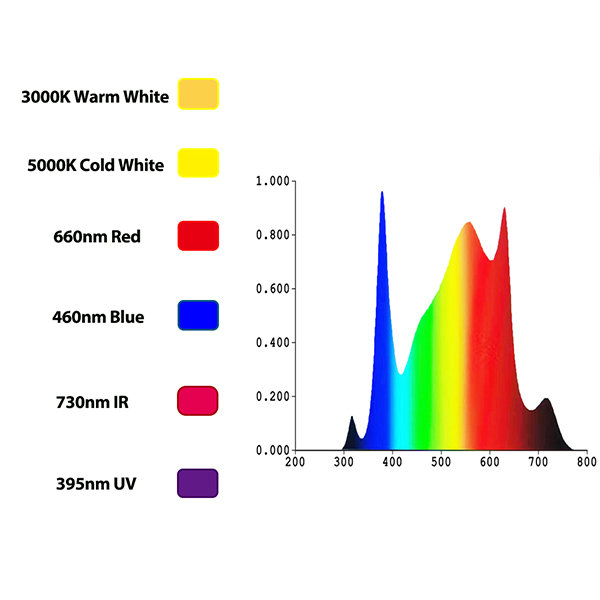
UV-A can be part of a wider spectrum
At TIDESTAR, our wide-spectrum designs generally cover visible light; some spectra also include UV-A and far-red. “Some” matters when comparing fixtures. Ask which spectrum the model actually provides. Read the specification for that lamp to identify its UV band and the controls.
El Barra de luz LED Samsung para horticultura y cultivo combines a bar format with dimming for horticultural lighting and carries UV/IR and full-spectrum descriptions. The installed distance and growing area determine the context for assessing PPFD and coverage. Separately, the instructions should identify the UV band and its control. Those feature names leave exposure at the leaf as a question to answer.
Benefits depend on plant and conditions
What crop and growth stage does the claimed change concern? Read the exposure conditions before assessing form or composition. What was assessed? A diode count cannot answer those questions. For the houseplant in question, begin by checking ordinary light across its area. Then consider a separate UV band only if its controls and instructions are documented.
Put the proposed benefit next to the plant and growth stage it concerns. Note the exposure conditions too. Without those details, there is no basis for transferring the claimed result to your shelf. That shelf still needs a coverage check, regardless of the additional light components being considered.
What Are the Limits and Risks of UV Grow Lights?
A UV label does not specify exposure
A “contains UV” label leaves important questions unanswered. Find three items in the specification: named band, operating distance, and exposure period. Describe the arrangement to the supplier, marking unanswered items. Directions for another installation need an explanation of how they apply to yours; obtain that explanation before using them.
PPFD at the leaves falls as fixture distance increases. Moving it closer changes the conditions again; compare the center and edges after either adjustment. Power belongs in the equipment notes; leaf-level readings describe the installed lighting.
Protect people and avoid stressing plants
Choose a mounting point with the instructions open in the growing space. From the position used to tend the plants, is the operating lamp visible? Read the eye and skin precautions against that arrangement. Leave UV switched off while obtaining answers to any questions about its operation.
Give discoloration a dated entry identifying the affected leaves. Were shaded leaves affected too? Consult the preceding entries to establish which lighting adjustments occurred before the change in appearance. Make only one further adjustment before assessing new leaves; multiple changes at once leave no clear comparison.
How Should You Choose a Grow Light With UV?
Compare the basic lighting fit
Start with the mounting clearance and area to cover. A beam may reach the center while missing plants at the shelf edge. Dimming changes output, so inspect the footprint at the available height when comparing fixture formats. Our Gama de luces LED de cultivo includes formats for indoor growing. Compare the growing area and lighting task first. A documented UV feature can help distinguish fixtures after those basic requirements are met.
Our work at TIDESTAR includes manufacturing LED grow lights and indoor growing equipment for hobbyists and commercial growers. The tallest leaves set the starting point for measuring clearance. Match plant positions against the footprint, then identify the controls with the instructions open beside you. After confirming the visible-light setup fits the area, review optional UV against its own specifications.
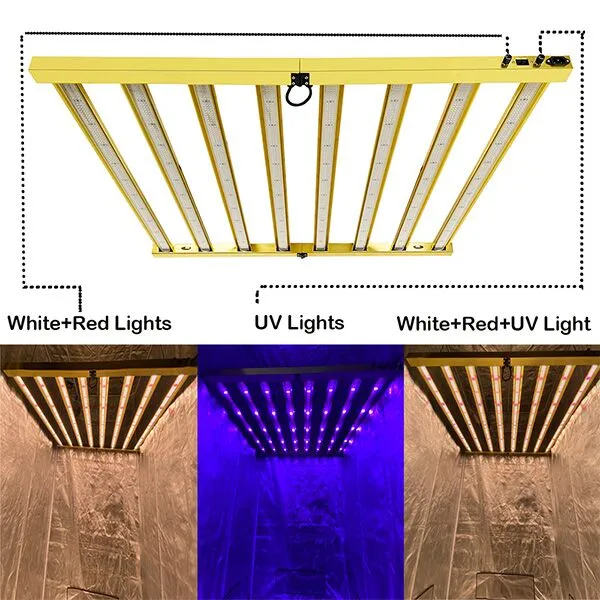
Check UV details before using the feature
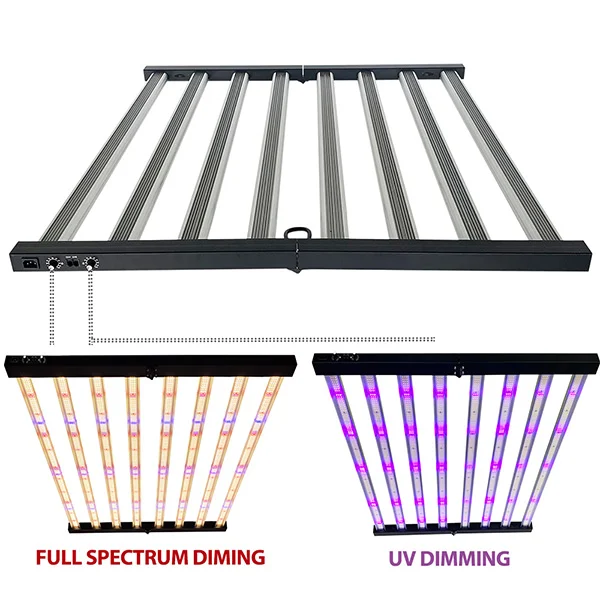
With a fixture shortlisted, examine the spectrum chart alongside its operating instructions. Which control corresponds to the UV band shown? Before adjusting locate the control and read how it works. Does the main dimmer affect UV as well? The Lámpara de cultivo LED LM281B de 800 W is a dimmable horticultural fixture described as full spectrum with UV/IR. Assess its output and coverage under actual installation conditions; those descriptions supply neither a safe UV dose nor a promised crop result.
Before adjusting UV, record the current setup:
• Main light: planned and actual start/stop times; interruptions.
• Mounting: height and distance from fixture to observed leaves.
• Plant: species, selected leaves, and their current appearance.
• Change: date and the single setting adjusted.
Date each entry and compare it with the next new growth. Record a timer or height change even when UV was the setting under review. Store the instructions beside these entries. Missing UV directions leave no documented schedule to assess; investigate visible-light coverage while requesting clarification.
Preguntas frecuentes
Q: Do indoor plants need UV grow lights to survive?
A: Plants do not need a UV lamp to survive. If stems stretch, check light at the leaves and review the timer record before considering another feature.
Q: Is UV-A in a grow light necessary for houseplants?
A: No. UV-A is optional. Check where the regular light reaches and how long it runs; a UV-A listing does not answer either question.
Q: Can UV grow lights replace regular LED grow lights?
A: No. A UV source does not replace visible grow light. Check that the regular fixture covers the growing area before considering an optional UV feature.
Q: Can too much UV light damage indoor plants?
A: Yes. Excessive exposure is harmful; the appearance of damaged leaves does not identify what caused it. Enter the date and affected locations beside unaffected growth, then consult the preceding lighting entry. What changed before those symptoms appeared? Assess that sequence .
Q: How long should UV grow lights be on for indoor plants?
A: The fixture instructions govern that decision. One schedule cannot cover every model and every plant. Keep the ordinary light period consistent while assessing optional UV. Record the distance and setting, since wattage does not define exposure at the leaves.