
Use the fixture instructions. Alongside the recommended height, enter the output setting and measured gap above the highest leaves, keeping those values together for the comparison. Record an initial canopy PPFD reading for that combination before accepting the distance. The gap changes as plants grow; remeasure it before assessing whether the current coverage and plant type warrant an adjustment.
What Determines the Right LED Grow Light Distance?
Start with the Fixture Instructions
A quoted height without an output setting leaves an unanswered question: was full output assumed? Match that recommendation to the lamp’s identification before adopting it as your starting position. Even with a similar looking fixture overhead, borrowing another lamp’s recommendation leaves the actual plant exposure unresolved until you check the installation and canopy measurements.
Enter ‘canopy gap’ and ‘dimmer setting’ together. With only one recorded, you cannot tell which changed between checks. Reject a proposed height if it conflicts with the electrical, clearance, or mounting requirements; check those against the measured gap.
Measure Light Where Leaves Receive It
Enter leaf-level PPFD beside the height being tested; the reading describes the plant-usable light reaching that position under that setting. Increasing that gap reduces the reading. Substituting lumens would tell you about brightness for human eyes instead. The appearance of a well lit room offers no replacement for checking the actual leaf position.
A reading needs a plant requirement to compare it with. Find a PPFD target in a growing reference for the plant type and stage, whether seedlings, foliage plants, or flowering crops. This article supplies no such universal target.
How to Set Grow Light Height Across the Canopy
Check the Center and Edges
Center: record the leaf-level reading. Edges: compare their readings with the center. Between fixtures: record canopy readings. Put the position beside each reading, including the reference leaves used. Without those positions, a later difference could belong to the measurement location rather than the adjustment.
Put each reading beside the plant occupying that position. If the center differs substantially from the edges, that pairing reveals which plants need closer assessment against their requirements. Lowering the lamp immediately skips that check. An empty shelf cannot supply measurements at the actual leaves.
Change One Setting at a Time
With the dimmer unchanged, a height test has one lighting variable. For a dimming test, leave the mounting alone; keep the revised output setting beside the earlier readings so you can see what separates the checks across the canopy.
Someone taking over the plants should be able to locate the measured positions and reproduce your settings. Label the record with the fixture identification and observation date. Include height and output so that ‘closer’ has a measurable meaning.
When Should LED Grow Light Distance Change?
Recheck as Plants Grow
Without touching the mounting, growing leaves close the gap. The lamp can stay still while that distance changes. Measure above the plant used for the earlier entry. For uneven canopies or plants moved between shelves, identify the leaves being measured.
The old edge reading belongs to the old pot position. Beneath the center, the relocated plant needs measurement although the fixture remains untouched. Make the move an entry in the record before assessing subsequent growth, so it can be distinguished from a response following adjustment to the light.
Keep Duration and Spectrum in the Assessment
Look at the timer when checking the mounting: both describe the lighting arrangement. Foliage houseplants may use 12 to 14 hours of total light as a reference. Daylight counts towards that total, and the plant’s requirements decide whether that reference is relevant here.
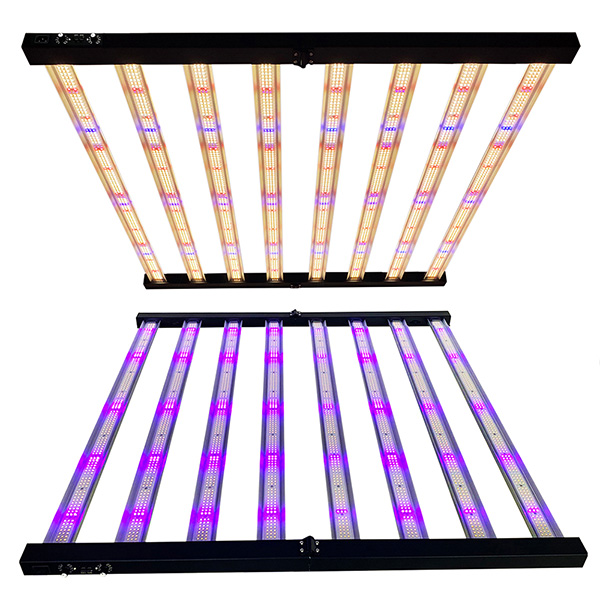
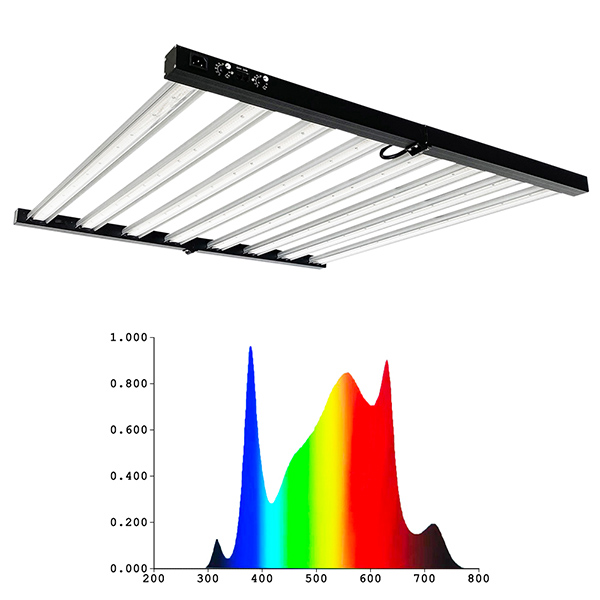
A vegetative growth or flowering spectrum leaves the distance question open until the installation has been assessed. Plant photoreceptors can affect form and chemical composition through the light information received. TIDESTAR uses a wide spectrum approach, generally covering visible wavelengths, with UV-A and far-red in some spectra. Our provision of plant-usable light does not reproduce all solar radiation or fix the distance.
How to Recognize an Unsuitable Grow Light Position
Investigate Stretching and Pale Growth
Symptoms: investigate insufficient light when assessing stretched growth, long internodes, pale leaves, or reduced variegation. Position: check for affected edge plants before lowering the fixture. These signs begin the investigation; the growing conditions need assessment.
Begin with the measurement log and latest recorded changes. Has the plant moved? Has the output setting changed? Identify whether the affected growth is confined to one position or occurs elsewhere beneath the lamp. Record the comparison alongside the planned adjustment before changing the light.
Investigate Scorching and Bleaching
If scorching or bleaching affects only some leaves, mark their positions on the canopy record and compare their readings against unaffected areas before moving anything. That comparison helps investigate excessive light alongside the other growing conditions under assessment.
Where measurements and observations support reducing exposure, make an adjustment permitted by the fixture instructions. Enter the resulting reading alongside notes on existing damage and developing leaves. The sequence connects the observation to a setting, allowing a later comparison to be interpreted.
What to Confirm Before Choosing a Hanging Height
Ask for Relevant Fixture Information
Find out the height, output setting, and coverage area behind a measurement before comparing it with your installation. Ask which details are missing. The same applies when only wattage and spectrum are available: neither specifies the exposure reaching this canopy.
Before contacting a supplier about an existing installation, assemble its canopy dimensions, available mounting space, plant type, and current measurements. The question then concerns a defined setup. File the answer beside your fixture instructions, where it can inform the next measurement.
Keep a Repeatable Adjustment Record
Keep paired readings for each adjustment: before and after. Include the measured gap above the tallest leaves, output setting, canopy readings, and visible observations. Avoid changing the light merely because another grower reports a different distance for a different installation.
The useful outcome is a setting that can be checked and repeated as plants develop. Continue assessing plant response alongside output, coverage, and distance. After the canopy changes, compare old readings with measurements at the new positions before reusing the earlier setting.
FAQ
Q: How far should LED grow lights be from seedlings?
A: Follow the exact fixture’s seedling guidance and check exposure at leaf height. Do not transfer a distance from an unrelated lamp. After adjustment, remeasure and assess the seedlings, recording the output setting and height together for the comparison.
Q: Can LED grow lights be too close to plants?
A: Yes. If scorching or bleaching suggests excessive light, check readings at affected leaves against unaffected areas before adjusting. Other growing conditions need consideration before deciding what caused the damage.
Q: Should LED grow lights move higher as plants grow?
A: Check the remaining gap above the tallest leaves first. Growth can close it without any fixture movement. A decision to raise the fixture needs its guidance and plant requirements checked against exposure at leaves.
Q: Does grow light wattage determine hanging distance?
A: A wattage figure cannot establish your hanging distance. Use guidance for the specific fixture and measure the light reaching the canopy at the intended output setting and growing layout.
Q: Can dimming replace changing LED grow light height?
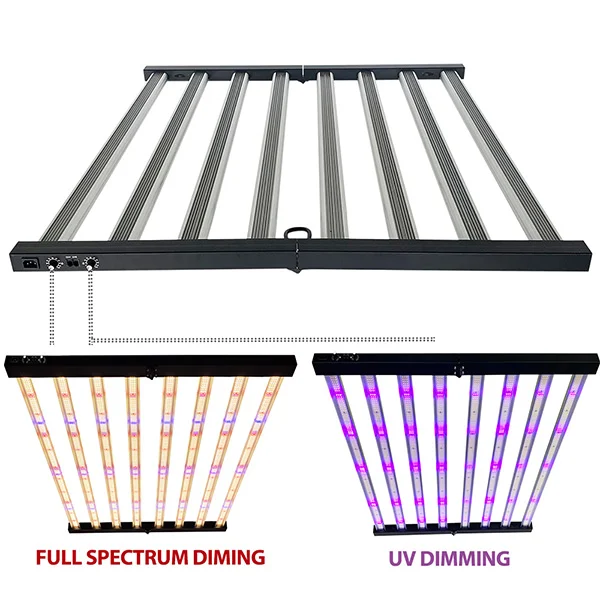
A: For a fixture that allows dimming, test an output change while leaving the mounting untouched. Return to your measurement positions for the comparison. The readings and plant response inform whether the height needs adjusting.