

Por qué la calidad del aire interior se convirtió en una prioridad de salud tras la COVID-19
Cómo el entorno pospandémico transformó las expectativas de confort en interiores
Antes de la pandemia, la mayoría de las personas evaluaban sus espacios interiores basándose únicamente en la temperatura. Si una habitación se sentía fresca en verano y cálida en invierno, consideraban que los sistemas eran suficientemente buenos. Sin embargo, la crisis sanitaria mundial cambió por completo esta perspectiva. La gente se dio cuenta de algo importante: las cualidades invisibles del aire que respiramos importan tanto como su temperatura. Este cambio elevó la calidad del aire interior a un estándar esencial para los espacios habitables modernos.
¿Por qué el "aire limpio en interiores" es ahora una preocupación diaria para hogares y lugares de trabajo?
Pasamos la mayor parte del tiempo en interiores. Por ello, la idea de un aire interior limpio ha pasado de ser un interés particular a una preocupación habitual. Esto se aplica tanto si trabajamos en oficinas compartidas como si descansamos en casa. Ahora existe una mayor conciencia sobre un hecho clave: pasar largos periodos en espacios cerrados puede afectar a nuestra salud respiratoria, nuestra capacidad de concentración y nuestro bienestar general.
El cambio del control de la temperatura a la concienciación total sobre la calidad del aire.
Este importante cambio tiene consecuencias evidentes. Los propietarios de inmuebles y viviendas ahora buscan algo más que un termostato funcional. Exigen un sistema integral de control ambiental. La normativa actual exige sistemas que garanticen el confort térmico. Al mismo tiempo, estos sistemas deben filtrar, limpiar y equilibrar el aire. Esta necesidad ha impulsado la evolución de las tecnologías tradicionales de calefacción y aire acondicionado hacia soluciones completas de gestión climática.
Cómo influyen los sistemas de calefacción y aire acondicionado en la calidad del aire interior
El papel de la circulación del aire en el mantenimiento de ambientes interiores más saludables
Una correcta circulación del aire constituye la base de un espacio interior saludable. Un sistema de calefacción y ventilación bien diseñado sistema de aire acondicionado No se limita a introducir aire caliente o frío en una habitación. Crea un flujo constante y controlado que, al pasar por materiales filtrantes, reduce los contaminantes del aire interior y evita la formación de zonas con aire viciado.
Por qué el rendimiento de los sistemas de climatización ahora está vinculado al bienestar en interiores, y no solo a la refrigeración o la calefacción.
Hoy en día, el rendimiento de los equipos de climatización está directamente relacionado con el bienestar humano. Si un sistema no circula y filtra el aire correctamente, no cumple su objetivo principal. Las unidades avanzadas de calefacción y aire acondicionado se evalúan ahora en función de una capacidad fundamental: deben funcionar como los pulmones de un edificio y contribuir a un entorno de vida más saludable.
¿Cuáles son los problemas más comunes de calidad del aire interior en la actualidad?
Contaminantes invisibles: polvo, PM2.5 y partículas finas de los entornos cotidianos.
Los riesgos más frecuentes para la calidad del aire interior suelen ser los que no podemos ver. Los ácaros del polvo microscópicos, la caspa de las mascotas y las partículas PM2.5 entran fácilmente en hogares y oficinas. Estas partículas finas atraviesan las defensas naturales de nuestro organismo y se depositan en lo profundo de los pulmones. Con el tiempo, pueden causar alergias o dificultades respiratorias persistentes.
Exposición a sustancias químicas procedentes de materiales domésticos y productos de uso diario (COV)
Los compuestos orgánicos volátiles (COV) son emitidos constantemente por muchos materiales cotidianos, como productos de limpieza, muebles nuevos, pinturas y alfombras sintéticas. Sin una ventilación y filtración adecuadas, como las que proporcionan los aires acondicionados modernos, estos COV permanecen confinados en el hogar, causando graves problemas como dolores de cabeza y fatiga.
Desequilibrio de humedad y su impacto en el confort, el olor y la frescura del aire.
El nivel de humedad influye de forma sutil en la percepción de la calidad del aire. Una humedad elevada favorece el desarrollo de hongos y ácaros del polvo, lo que provoca la aparición de olores desagradables y una mayor sensación de pesadez en el ambiente. Por el contrario, una humedad baja irrita las mucosas y la piel.
¿Qué significa realmente "mejor calidad del aire interior" en la vida real?
Aire fresco frente a aire recirculado: lo que los usuarios no entienden
Mucha gente tiene una idea equivocada. Creen que un aire acondicionado estándar introduce aire fresco del exterior. En realidad, la mayoría de los sistemas de calefacción y aire acondicionado residenciales simplemente recirculan el aire ya presente. Por lo tanto, lograr un aire interior limpio depende de la eficacia con la que ese aire se filtra y trata continuamente. No se trata solo de abrir las ventanas.
Por qué "sentirse cómodo" no siempre significa "respirar aire limpio"
En un caluroso día de verano, es posible que sientas frescor, pero al mismo tiempo respires aire con altos niveles de contaminación. El confort térmico puede ocultar una mala calidad del aire. El verdadero bienestar en interiores requiere la temperatura adecuada, así como bajos niveles de partículas y un equilibrio óptimo de CO₂.
La conexión oculta entre el flujo de aire, la temperatura y la calidad del aire percibida
La percepción humana de la frescura del aire está estrechamente relacionada con el flujo y la temperatura. El aire fresco en movimiento se percibe naturalmente más fresco que el aire cálido y estancado. Al mejorar la distribución del aire en un sistema de calefacción y aire acondicionado, se puede influir en la respuesta de los sentidos, lo que genera una mayor sensación de confort. Al mismo tiempo, se garantiza que los contaminantes se dirijan hacia los filtros.
¿Cómo pueden los sistemas de calefacción y aire acondicionado ayudar a mejorar la calidad del aire interior?
Favorece la circulación continua del aire para reducir el estancamiento del aire en interiores.
En TIDESTAR, sabemos que un ambiente estancado genera problemas. Nuestros sistemas avanzados mantienen un flujo de aire constante, eliminando las zonas sin circulación. Al estar el aire en movimiento, los contaminantes se desplazan continuamente hacia los filtros, evitando que se depositen en las superficies o permanezcan en las zonas de respiración.
Ayuda a mantener una humedad equilibrada para lograr ambientes interiores más estables.
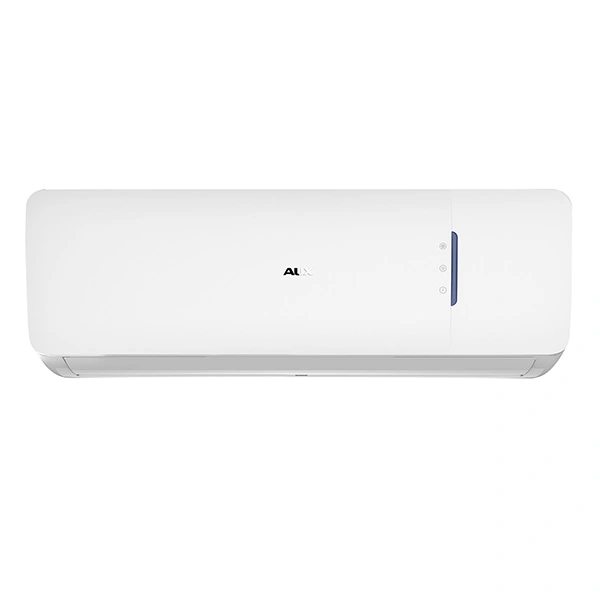
Los sistemas climáticos modernos desempeñan un papel clave en la eliminación de la humedad. Por ejemplo, nuestro AUX Comercial 12000BTU 18000BTU 24000BTU Calefacción de pared dividida Aire acondicionado con control remoto Estos sistemas proporcionan un control preciso de la temperatura. Además, ayudan a controlar los niveles de humedad en interiores, lo que crea condiciones que dificultan el crecimiento de moho y bacterias.
Mejorar el confort interior mediante patrones de distribución del aire más uniformes.
Las ráfagas repentinas de aire caliente o frío provocan incomodidad y levantan el polvo acumulado. Los equipos diseñados para una distribución uniforme y silenciosa del aire reducen este problema. Los sistemas con filtros de aire extraíbles y lavables ofrecen una ventaja adicional: al circular el aire suavemente, se limpia de las impurezas diarias.
Cómo elegir una estrategia de calidad del aire interior para su espacio
Para el hogar: mejora del confort, la frescura y la calidad de la respiración diaria.
Los espacios residenciales requieren un equilibrio entre eficiencia y funcionamiento silencioso. Un sistema de calefacción y aire acondicionado split suele ser la mejor opción en estos espacios. Elimina la necesidad de grandes conductos que acumulan polvo y ofrece un control de temperatura flexible. Combinado con filtros fáciles de limpiar, proporciona una solución práctica para proteger el espacio vital de la familia.
Para oficinas y espacios compartidos: gestión de los desafíos relacionados con la calidad del aire derivados de la ocupación.
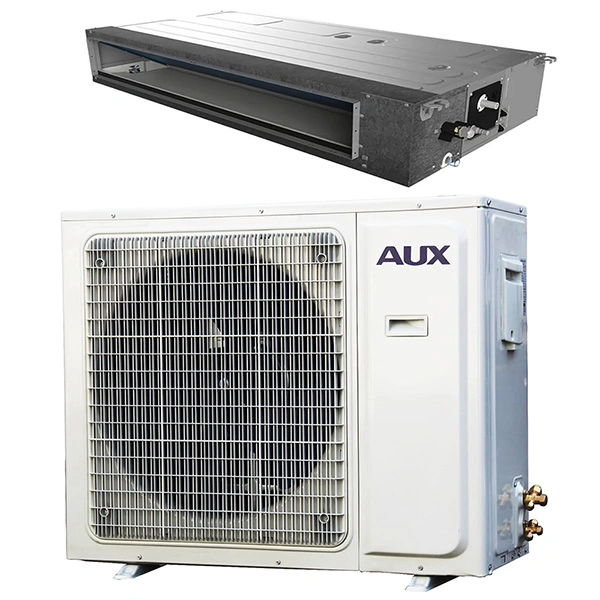
Los entornos compartidos experimentan cambios rápidos en el CO2 y las partículas en suspensión debido a que se reúne más gente allí. Para estos espacios, a menudo sugerimos soluciones como la Aire acondicionado tipo conducto AUX 36000BTU, 48000BTU, 60000BTUOfrece refrigeración y calefacción potentes y de bajo consumo energético. Su funcionamiento es muy silencioso, lo que permite que las salas de reuniones sean cómodas y estén bien ventiladas, sin ruidos molestos.
Para ambientes húmedos o costeros: control de las molestias relacionadas con la humedad.
Si vives en una zona con mucha humedad, tu principal problema es la condensación. En estas regiones, es importante combinar sistemas de deshumidificación específicos con la calefacción y el aire acondicionado. Los sistemas deben tener el tamaño adecuado para funcionar durante el tiempo suficiente. Esto les permite extraer la humedad del aire y frenar la rápida proliferación de alérgenos en interiores.
Preguntas frecuentes
P: ¿Cómo puedo mejorar la calidad del aire interior con mi sistema de climatización actual?
A: La medida más eficaz es actualizar y reemplazar regularmente los filtros de aire. Elija la clasificación MERV más alta que su sistema pueda manejar de forma segura. Además, la función "ventilador encendido" del termostato mantiene el aire en circulación a través del filtro. Esto funciona incluso cuando los ciclos de calefacción y aire acondicionado no modifican la temperatura. En TIDESTAR, también recomendamos limpiar con frecuencia las unidades interiores. Esto evita la acumulación de polvo en las bobinas.
P: ¿Un sistema de calefacción y aire acondicionado ayuda a eliminar el polvo y los alérgenos estacionales?
A: Sí, desempeña un papel fundamental. A medida que el sistema mueve el aire, las partículas en suspensión pasan a través de sus filtros internos. Dispositivos como el aire acondicionado de pared split comercial AUX cuentan con filtros extraíbles y lavables. Estos filtros están diseñados para atrapar el polvo, la caspa de mascotas y otros irritantes antes de que el aire regrese a su hogar.
P: ¿Por qué siento que mi casa está cargada incluso cuando la calefacción y el aire acondicionado están encendidos?
A: La sensación de bochorno suele deberse a la alta humedad ambiental o a los elevados niveles de dióxido de carbono. Estos problemas aparecen cuando no hay suficiente ventilación. Incluso si la temperatura es la adecuada, una mala circulación del aire puede generar inconvenientes. Un sistema demasiado grande para el espacio puede enfriar demasiado rápido, lo que provoca que el aire se sienta pesado y viciado al no eliminar la humedad suficiente.
P: ¿Cuál es la mejor configuración de calefacción y aire acondicionado para un ambiente con alta humedad?
A: En climas húmedos, es fundamental evitar sistemas sobredimensionados. Un sistema del tamaño adecuado funcionará en ciclos más largos y lentos. Estos ciclos son necesarios para extraer la humedad del aire de forma eficaz. También puede utilizar un sistema con velocidad variable inteligente. Otra opción es añadir deshumidificadores independientes a su sistema de refrigeración principal. Cualquiera de las dos opciones contribuirá a mantener el aire interior fresco y seco.


