
The red appearance of a lamp cannot establish photon levels at the leaves or tell you which schedule crops need. Start with the plants that changed. Are stems extending, or has flowering shifted? Record those observations separately. Then measure canopy PPFD and check lighting hours. Keep watering and temperature steady during the comparison; changing them alongside the lamp would leave the cause of any response uncertain.
What Does Red Light Do for Plants?
Plants use red light in photosynthesis
Red diode color alone does not show what reaches the outer leaves. At canopy height, compare PPFD at center and both edges; lumens describe brightness as people perceive it. Compare the edge reading with the center before calling coverage uneven. A single reading cannot establish that difference. Move between points without altering sensor height or fixture setting. Treat far-red separately when considering flowering: the species and its growth stage affect the response.
Red light also carries developmental signals
To interpret plant shape, log crop, growth stage, spectrum, and schedule. Flowering and stem extension can respond independently; compare both after adjusting red or far-red timing. Date baseline notes and record each observation window carefully.
Benefits and Limits of Red Light for Plant Growth
Where red light can be valuable
A flowering objective needs a timing decision. First establish whether the species responds to day extension with red, or also needs far-red. Adding red during an adequate daytime period may offer no benefit. Set aside plants at the same stage for comparison, keeping their usual schedule. Which group flowered first? Put its date next to the schedule used. A difference in dates warrants another comparison before you assign a cause.
Why red light alone is an incomplete plan
Check coverage before changing spectrum if PPFD varies across the canopy. The compactness question comes next: red provides photosynthetic photons, whereas blue may restrain extension. A red-only mix can therefore miss that objective. At TIDESTAR, our wide-spectrum range includes selected fixtures with UV-A and far-red; check the spectrum. Name the response you will assess at this crop stage now. Installation still matters: a product description cannot establish the light reaching every leaf in your room.
Red Light vs. Blue Light and Far-Red Light
How red and blue light work together
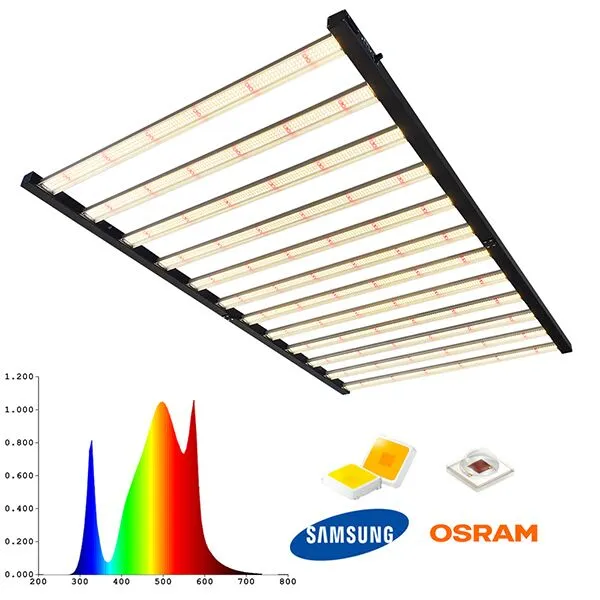
If stems are extending, blue may restrain that growth alongside red. Red contributes photons for photosynthesis; it does not resolve the compactness question. Check which wavelengths full-spectrum LED grow lights supply, then measure the PPFD reaching the leaves. Keep the sensor at canopy height when sampling the center, shaded leaves, and both outer edges. A single center reading can miss dim areas near the canopy edges. After an adjustment, repeat the same points. Hold other conditions steady and log new stem growth separately from flowering.
An edge plant makes a reference for a height adjustment. Mark its position, then take readings there before and afterward. Keep the sensor level with the same leaves throughout. A comparison also needs the dimmer and spectrum settings held constant. Note watering, temperature, crop age and daily hours alongside the readings; use separate columns for stem extension and the date flowers first appear.
Why far-red is not simply more red
Choose flowering or stem extension as the endpoint; species and timing affect the measured response. Look for far-red on the spectrum chart; visible fixture color cannot establish that wavelength's presence. Keep plants on their usual schedule as the comparison. Write down both schedules alongside the dated observations, with crop stage and daytime conditions matched.
When Should Growers Use Red Light?
Use it as part of a complete growth-light plan
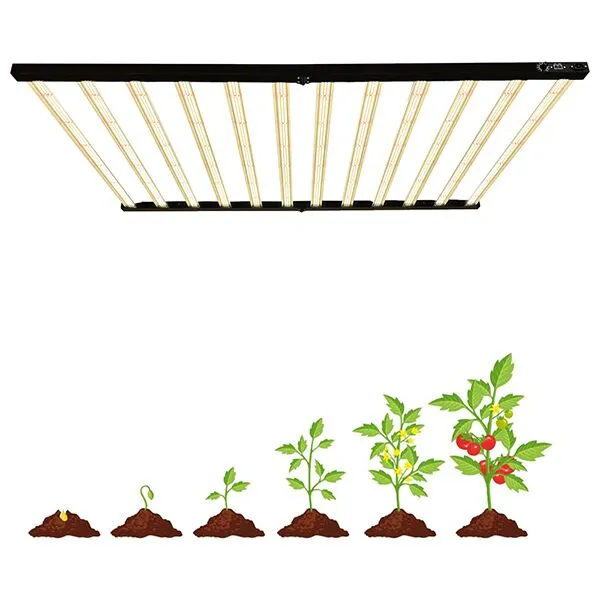
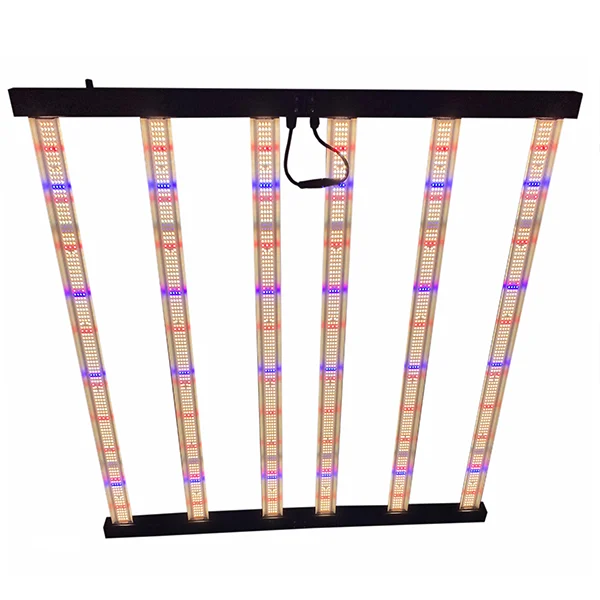
Measure PPFD where crops sit, not just beneath the fixture. Map center, edge, and shaded-leaf readings to find low-intensity areas. Our dimmable bar-style LED grow light offers full-spectrum lighting. Assess installed coverage with canopy readings; the description cannot establish light reaching leaves. Its bars distribute the emitting points; actual canopy distribution depends on installation height and measurements. Use readings to set height and output; judge whether the spectrum fits this crop stage.
Use timing changes only for a defined crop objective
Before extending the day, establish how that species flowers under its existing schedule. For some long-day species, red works through day extension or a night interruption; others also require far-red. That differs from adding red during adequate daytime light, when flowering may receive no benefit. Decide which timing question needs testing.
How to Judge Whether Red Light Is Helping
Check intensity, distance, and coverage first
One PPFD reading leaves coverage uncertain; include shaded leaves and the canopy edges. Distance reduces intensity. Stretching or pale growth may indicate low light; bleaching may indicate excess. Check PPFD before spectrum changes. Check light quantity when stretching or scorching appears; neither observation establishes a spectrum problem. A dimmable high-power grow light allows output adjustment. Set output from canopy readings; inspect new leaves over time after each change. Record settings and response.
Change one lighting variable and observe the crop
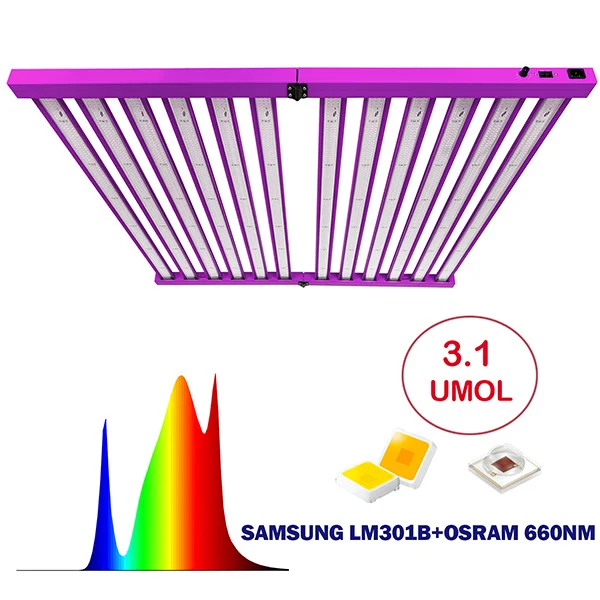
A light adjustment cannot straighten a stem that has already formed. Tag one plant and use a fixed camera angle; compare only growth produced afterward. Log canopy PPFD, day length, watering, and temperature beside each dated image. Fix edge coverage before testing spectrum, or photon quantity and wavelength change together. Return the sensor to marked canopy points at the same height and fixture output each time.
Write down the existing setup before touching the controls: crop and stage, fixture height, dimmer position, daily hours, and shaded leaves. Keep that page beside the next canopy map. An edge deficit calls for checking placement and height first. If readings are even, choose either timing or spectrum for the next comparison. Leave a matched group on its usual settings. Did adjusted plants bloom earlier? Compare dates with those kept on their usual schedule.
FAQ
Q: Is red light good for plant growth?
A: Photosynthesis uses photons from red light as well. The next question is the desired result: compact growth or a flowering response. Red alone does not settle either. Compare bloom dates and new stem growth separately; record species, growth stage, other wavelengths and lighting hours.
Q: Can plants grow under red light alone?
A: Red photons contribute to photosynthesis. Compact growth is a separate goal: blue may restrain extension. Watch spacing in new growth before deciding whether a red-only setup fits.
Q: Does red light make plants flower faster?
A: Extending days with red affects flowering in some long-day plants. Check species response before expecting earlier flowering. Compare bloom dates against unchanged plants.
Q: What is the difference between red light and far-red light for plants?
A: Far-red wavelengths sit beyond visible red; some species alter flowering or extension in response. A crop's response to red alone does not forecast its response to far-red.
Q: How long should plants receive red light each day?
A: Which crop is growing, and at what stage? Establish its response to day length before planning hours for flowering trials. Record whether red extends the day or interrupts darkness, and retain a matched comparison group. Adding red within an already adequate daytime period may achieve nothing for flowering.