
A low checkout price tells you very little about the bill in August. Portable air conditioners can start cooling quickly with little installation work, while split air conditioners usually require a higher upfront investment and a permanent indoor-outdoor connection. Their energy efficiency and running costs depend on more than the label: cooling capacity, input power, operating hours, room heat load, electricity price, maintenance, and installation all matter. In 2026, the useful comparison is a measured cost per hour and per season, matched to the way the room is actually used. The sections below show how to compare both types without treating different capacities as if they were equivalent.
Compare What Each System Actually Does
Portable Air Conditioners Keep Installation Simple
Portable air conditioners keep the cooling unit inside the room. They send heat out through an exhaust hose. This makes them useful for renters. They also work well in temporary grow rooms, workshops, and spaces where openings in walls are not allowed. Casters and a handle make storage for different seasons simpler. They allow easier movement from one room to another. The trade-off is that the hose route and window seal become part of the cooling system.
TIDESTAR’s 12000BTU Portable Air Conditioner A032 is listed with cooling, dehumidify, and fan modes, a washable mesh filter, R290 refrigerant, a 1.5-meter exhaust hose, and optional WiFi and heating functions. Its listed cooling input is 1350 W. That number is the starting point for a running-cost calculation, not a promise that every room will use exactly the same energy.
Split Air Conditioners Move Heat Outside
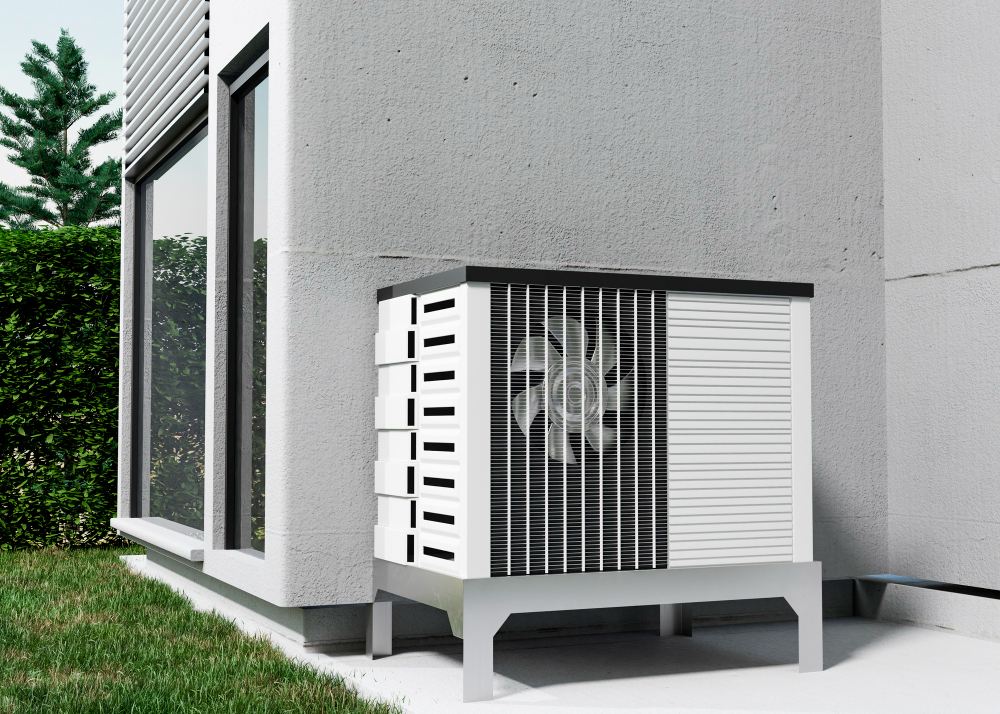
Split air conditioners place the indoor coil and fan in the room while the compressor and outdoor coil reject heat outside. With no large exhaust hose crossing a window, the installation can be cleaner and the room envelope can remain tighter. The trade-off is professional installation, line-set routing, drainage, outdoor-unit placement, and less flexibility after installation. Before installation, check where a service technician will stand, where condensate will go, and whether the outdoor coil has clear airflow.
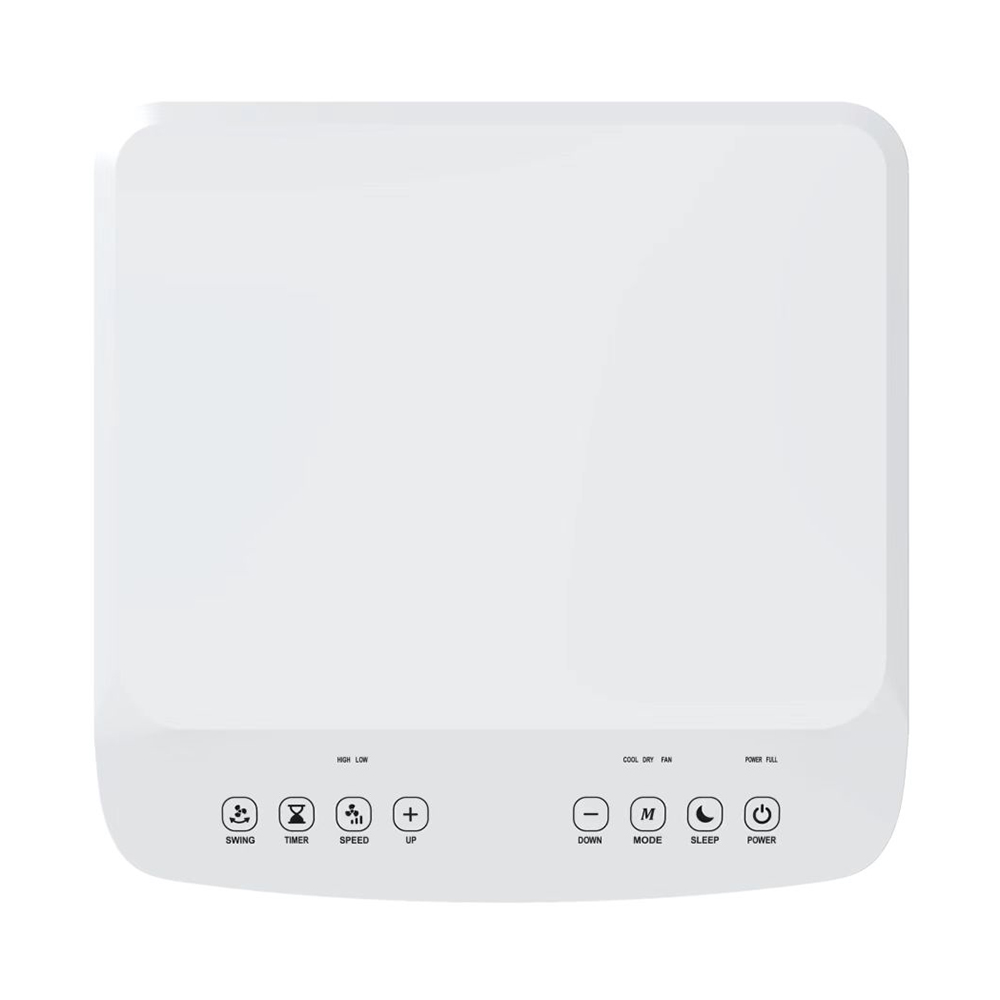
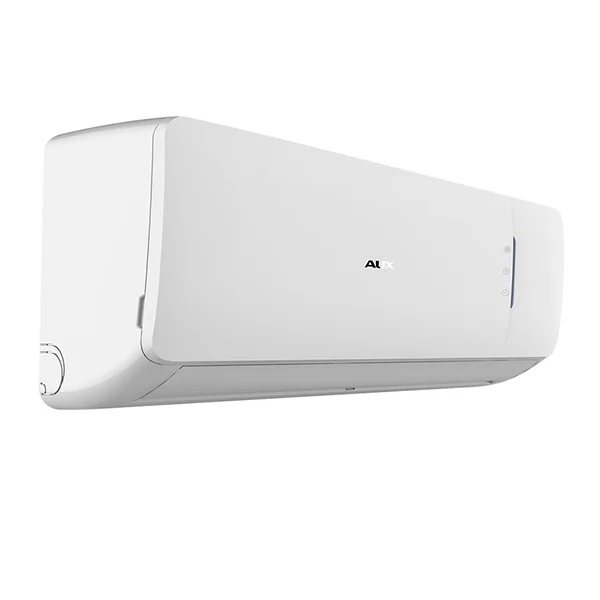
TIDESTAR lists an AUX Commercial 12000BTU 18000BTU 24000BTU Cooling Heating Split Wall Air Conditioning with Remote Control for cooling and heating. The page lists R32 refrigerant, inverter compressor models, rated cooling input values for 12K and 18K versions, and seasonal ratings including SEER. That gives a better basis for comparing long daily operation than a portable unit’s maximum input alone.
Measure Efficiency With the Right Numbers
Compare Input Power With Cooling Output
Put the three inputs on paper before comparing models:
`Hourly cost = input power (kW) × runtime (hours) × electricity price`
Take the listed 1.35 kW portable input as a worked example. Eight hours at that draw equals 10.8 kWh before compressor cycling. A real meter may be lower when the compressor rests. For a split system, compare measured input with delivered cooling; unlike capacity labels, those two numbers describe actual operation. This is where a plug-in meter or circuit monitor becomes more useful than a brochure.
Use Seasonal Ratings Carefully
EER, SEER, COP, and SCOP answer different questions. EER helps with a point comparison; SEER and SCOP describe seasonal behavior under defined test assumptions. The AUX data listed by TIDESTAR includes EER values around 3.2, SEER values of 6.19 and 7 for the shown versions, and A++ cooling energy classifications. Treat those figures as reference points, then estimate the actual room load. A rating is useful only when the real duty cycle is reasonably close to the test conditions.
Portable air conditioners can lose practical efficiency when a single exhaust hose pulls warm replacement air into the room or when the hose and window seal leak. A careful seal reduces that penalty. A split system avoids that particular hose arrangement, but its efficiency still depends on sizing, outdoor temperature, coil cleanliness, and control settings.
Calculate Running Costs for Your Room
Start With kWh, Not Sticker Price
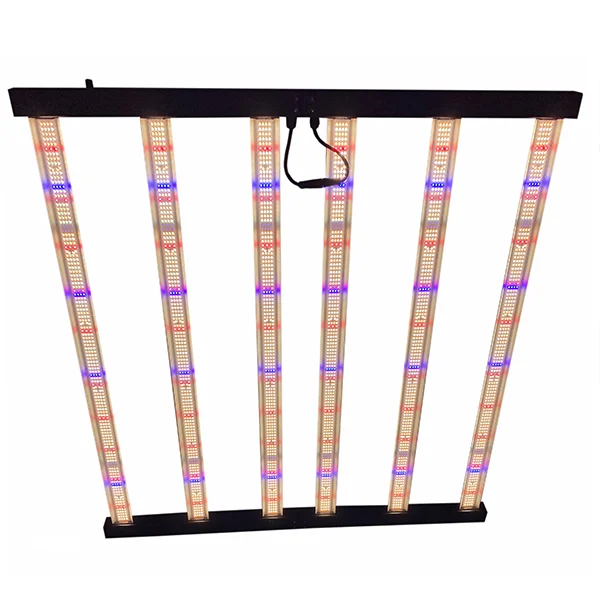
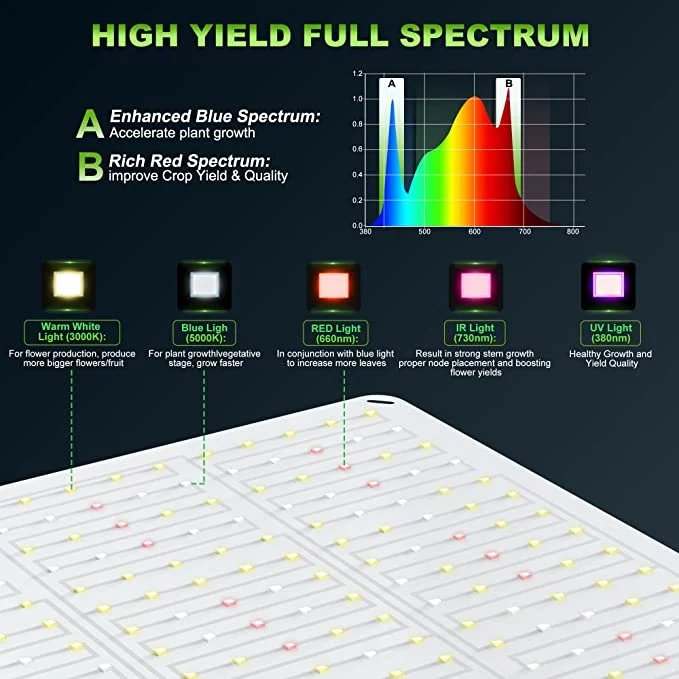
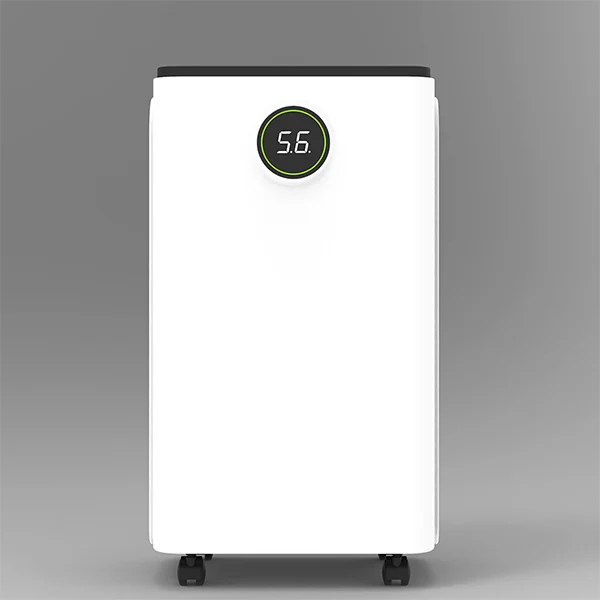
Build a one-week estimate from expected hours, measured or rated input, and the local electricity rate. Separate daytime and nighttime use if the room has different heat loads. In a grow room, count fans, lights, pumps, dehumidifiers, and controls because their heat becomes part of the air conditioner’s workload. If the lights run for 18 hours, for example, the cooling worksheet should reflect that same schedule rather than a generic eight-hour day.
For a fair comparison, keep the room, target temperature, schedule, and indoor heat sources the same. An oversized split unit may cycle inefficiently. An undersized portable unit may run almost continuously and still miss the target. Nameplate efficiency is only one part of that result. Note how long each unit takes to recover after the lights come on; that number often exposes a sizing problem.
Add Installation, Maintenance, and Replacement
Purchase price is only one line in the budget. A portable system may need a better window seal, hose replacement, filter cleaning, condensate handling, or earlier replacement if it is moved often. A split system may add installation labor, brackets, line-set work, drainage, electrical work, and servicing. Put installation and service items beside expected runtime when comparing the first-year cost.
Maintenance changes the bill. Dirty filters reduce airflow and extend runtime. Blocked outdoor coils increase compressor stress. Poor drainage can stop a unit or create moisture problems. Record energy use after cleaning, because a dirty coil can look like a more expensive electricity plan. A purchase comparison is incomplete until the unit has been observed under load.
Choose for 2026 Use Patterns
Short-Term Cooling and Rented Spaces
Choose a portable configuration when reversibility, mobility, or low installation complexity matters most. It can suit a temporary room, seasonal heat, or a small area that does not justify permanent HVAC work. Budget for the exhaust path and seal the window around the hose. This is a sensible route when the room may move or the cooling requirement is still being proven.
Long Daily Runtime and Stable Grow Rooms
Choose a split configuration when the room operates for long periods, outside heat rejection is valuable, and permanent installation is acceptable. A properly sized inverter split system can modulate rather than cycle as sharply. A portable unit may still win where installation is impossible. TIDESTAR supplies air conditioners alongside ventilation, dehumidification, and other indoor-growing equipment. We can help compare the equipment load with the room schedule before a buyer commits to a system. In a permanent room, service access and stable control may matter more than the initial equipment gap.
The broader Air Conditioner product category is useful when the room load points toward a different capacity or installation format than the two examples above.
The soundest choice is supported by a written load and cost estimate. Record room volume, heat sources, target temperature, runtime, input power, seasonal rating, installation cost, and maintenance plan. That record gives the next buying decision a useful baseline.
FAQ
Q: Are portable air conditioners less efficient than split air conditioners?
A: Portable air conditioners are typically less efficient. The specific room determines how wide the difference becomes. A loose hose seal can draw warm air back into the room. At the same time, an incorrectly sized split unit may waste energy due to improper cycling. Therefore, one should evaluate the entire installation. Do not base the decision only on the category name.
Q: Which costs less to run in 2026, portable air conditioners or split air conditioners?
A: The answer depends on runtime, electricity price, capacity, and installation. First, calculate the room’s kWh usage. Then add service costs and replacement costs. A unit that costs less to buy is not always cheaper to operate. This becomes clear after a complete hot season.
Q: How do I calculate portable air conditioner running costs?
A: First, divide the watts by 1,000. Next, multiply by the operating hours. Then multiply again by the electricity rate. A meter reading gives better results. This is because cycling and heat gain make the nameplate value only an approximation.
Q: Are split air conditioners better for a grow room?
A: Split air conditioners often suit long runtimes well. Heat exits through the outdoor unit instead of returning through a window hose. The grow room still requires proper capacity. It also needs good drainage, airflow, humidity control, and installation. Portable units are useful when a permanent installation is not possible.
Q: What should I compare before buying portable air conditioners or split air conditioners?
A: Place all details in one worksheet. These details include capacity, input power, EER or seasonal ratings, runtime, heat sources, installation work, filter access, condensate handling, and service life. Add the electricity rate and expected operating hours. The final result then becomes a cost estimate. It is not simply a list of specifications.