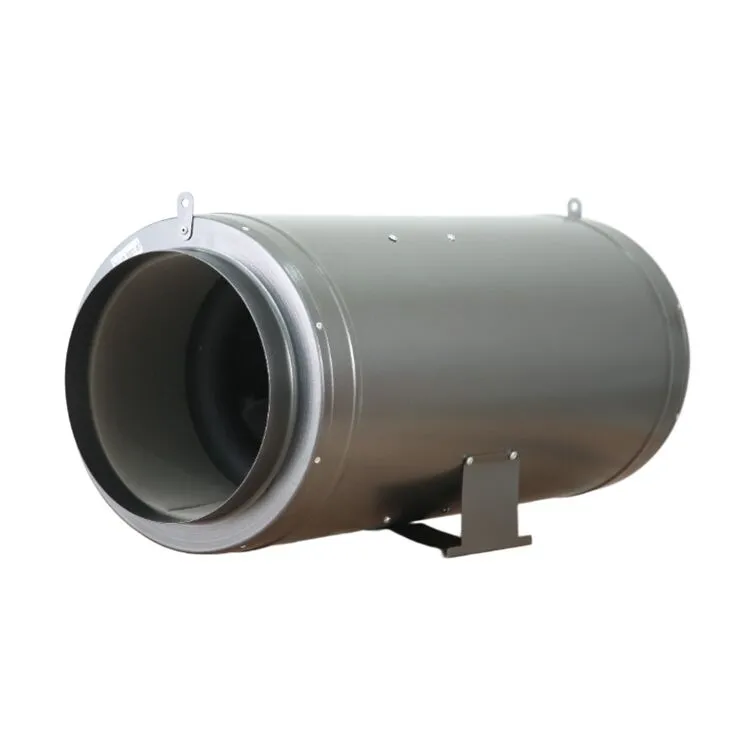

Picking a Dehumidifier for Indoor growing involves more than buying a unit with a large capacity rating. Indoor growing produces regular moisture. It comes from irrigation, plant transpiration, wet media, temperature swings, and limited air exchange. A solid commercial dehumidifier keeps that load under control through each stage.
Why Do Indoor Growing Spaces Need a Commercial Dehumidifier?
It is essential to have an effective humidification method in an indoor grow facility. Warm enclosed spaces can retain humidity until it is converted to condensation due to cooler surfaces, heavy canopy, or insufficient airflow. As a result, it becomes difficult for the leaves to dry out, and roots remain wet.
How Humidity Affects Indoor Plant Growth and Growing Conditions
Too much moisture can stress plants. This happens even when lighting and nutrients seem correct. It can slow evaporation from leaf surfaces. It makes temperature swings harder to manage. It raises mold risk around thick foliage, trays, walls, and corners. Cooler surfaces can encourage condensation. A grow room needs active moisture control. It should not rely only on ventilation.
Why Large Indoor Growing Areas Require More Than Standard Dehumidifiers
Large growing rooms have bigger air volume. They also have higher plant density and heavier moisture loads. A small residential unit may remove water for a short period. But it is rarely built for the long runtime, drainage demand, and recovery speed required by commercial growing. Buyers comparing Dehumidifier for Indoor options should look beyond square footage. They should consider how often the unit must run.
How Do You Choose the Right Size Dehumidifier for Indoor Growing?
A Dehumidifier for Indoor grow room sizing decision should start with the space. Then it should move quickly to moisture behavior. Room area is useful. But room volume, plant density, watering frequency, open reservoirs, trays, HVAC operation, and outside climate all change the real load.
Consider Room Size, Moisture Load, and Growing Environment
Measure length, width, and height. This helps you understand total air volume. Then list moisture sources. These include irrigation runoff, hydroponic tanks, humidifiers, wet floors, plant canopy size, and incoming humid air. A propagation room with frequent misting can need stronger moisture removal. This is more than a larger dry storage area needs. Size for the wettest normal condition. Do not use an empty-room estimate.
Understand Capacity Ratings Before Buying a Commercial Dehumidifier
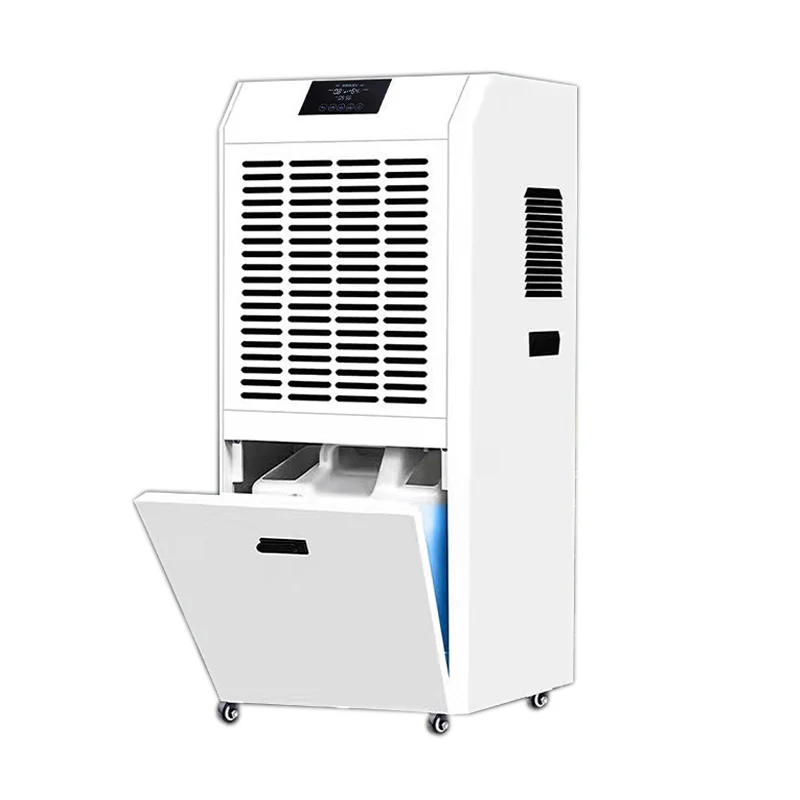
Capacity ratings may be shown in pints per day or liters per day. Compare them carefully. Temperature and RH affect real moisture removal. TIDESTAR offers an Industrial 50L 60L 70L Commercial Dehumidifier with capacity options from 50L to 158L per day. It includes an adjustable humidistat, automatic defrost, and a timer. That rating is useful. But final sizing still depends on the room’s actual load.
What Features Matter Most in a Commercial Dehumidifier for Indoor Spaces?
The best dehumidifier for indoor growing should support stable operation. It should not provide only occasional drying. Humidity can climb again after lights, irrigation, or ventilation cycles change. Controls and drainage matter as much as headline capacity.
Look for Continuous Operation and Reliable Humidity Control
Look for automatic humidity settings. Check for RH display, timer functions, and low-temperature operation. These matter when the room may cool overnight. TIDESTAR commercial dehumidifier options include digital RH readings. They offer adjustable humidistat control and automatic defrost on selected models. In our product range, these features help buyers compare steady moisture removal. They avoid relying on manual switching.
Consider Drainage Options and Maintenance Requirements
Water tank limitations become clear in a wet room. If staff must empty the tank several times a day, humidity control becomes inconsistent. Labor increases as well. Continuous drainage helps. An internal drain hose is useful. Washable components and easy filter access suit long operating periods. Heavy-duty casters also help. They allow a unit to move between zones for cleaning, layout changes, or temporary drying.
How Should You Choose a Dehumidifier for Large Grow Rooms?
A large grow room dehumidifier should be selected as part of the whole environmental system. Dehumidification, ventilation, airflow distribution, temperature control, and placement all affect results. They decide if moisture is removed evenly or only near the machine.
Match Dehumidification Capacity With Growing Space Layout
Break the room into zones. A single open room behaves differently from a space divided by racks, curtains, benches, or storage aisles. For facilities with limited floor space, TIDESTAR offers an Electric Ceiling Dehumidifier with Drain Hose with capacity options from 30L to 480L per day and a ceiling-mounted design. Placement should support airflow across the canopy. The air should then move back toward the unit.
Consider Environmental Conditions Beyond Room Size
The humidity level in the air changes depending on the temperature level. The rate at which a room cools will determine the chances of developing condensation. The daytime RH may appear to be adequate, but still condensation is likely to occur. Ventilation can help get rid of humid air; however, at the same time, it brings moisture into the room.
Commercial vs Residential Dehumidifier: Which One Is Better for Indoor Growing?
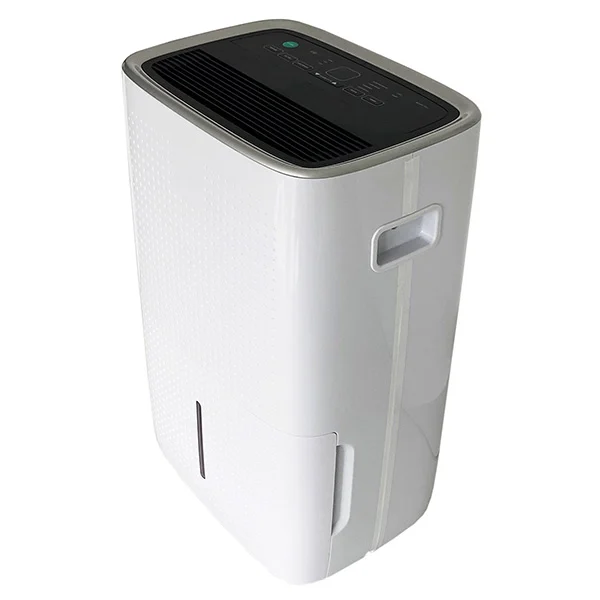
Both commercial and residential dehumidifiers can get rid of excess moisture. But these machines are designed to operate under various conditions. It is up to the grow room parameters to determine which one to choose.
When a Commercial Dehumidifier Is the Better Choice
A commercial dehumidifier is usually better for commercial grow rooms. It suits warehouses, cultivation facilities, and large indoor growing areas that need continuous operation. Larger units often provide higher moisture removal. They offer stronger airflow, durable cabinets, larger tanks or drain connections, and controls that reduce supervision. They are easier to justify when humidity problems affect multiple zones or repeat every cycle.
When a Standard Unit May Be Enough
A standard unit may be enough for small indoor gardens. It can work for limited growing areas or temporary moisture spikes in one room. Portable room dehumidifiers can work for hobby setups. If the unit fills quickly, runs constantly, or cannot hold stable RH after irrigation, it is time to compare commercial indoor dehumidifier options.
What Mistakes Should You Avoid When Choosing a Dehumidifier for Indoor Growing?
The biggest mistakes come from treating humidity control as a square-footage purchase. Indoor growing is more dynamic than an empty room. So the decision should reflect moisture generation and daily use.
Choosing Only Based on Room Size
Area does not equal humidity load. Two rooms with the same square footage can need different capacity. This occurs if one has dense plants, standing water, poor airflow, or a humid intake source. Choose a dehumidifier for indoor growing by matching the unit to the real moisture sources. Do not use just the floor plan.
Ignoring Long-Term Operating Requirements
Ignoring drainage, tank size, maintenance access, and control stability can create daily problems. Frequent emptying interrupts operation. Dirty filters reduce performance. Unstable humidity forces constant adjustment. A better purchase considers capacity, drainage, access, controls, placement, and long-term operating patterns together.
FAQ
Q: What size dehumidifier for indoor growing do I need?
A: Start with room volume, plant density, watering frequency, and measured RH. Then choose capacity with enough margin for the wettest normal conditions.
Q: How does a dehumidifier for indoor growing help control humidity?
A: It draws moisture from the air. This process lets the grow room recover. Recovery happens after irrigation. It happens after transpiration. It happens after ventilation changes and temperature shifts as well.
Q: Can a commercial dehumidifier be used for large grow rooms?
A: Yes. A commercial unit is often the better choice. This holds true when the room has big moisture loads. It has long operating hours. And it has a need for continuous drainage.
Q: How many pints should a dehumidifier for indoor spaces remove per day?
A: There is no single number that fits all cases. Compare pint/day or liter/day capacity against room volume. You should also consider moisture sources. Temperature and target RH matter as well.
Q: What features should I look for in a dehumidifier for indoor growing?
A: Look for steady RH control. It should also offer continuous drainage. The capacity needs to be suitable. Easy maintenance access matters too. The construction must be durable. It must support stable operation during long hours.