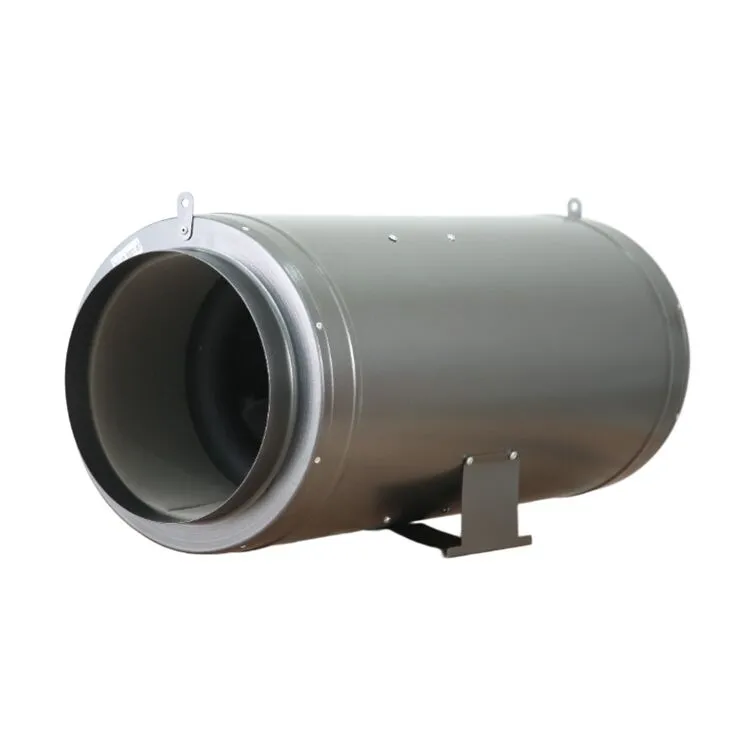

Sizing an Inline Duct Fan is less about chasing one magic number and more about building a system that can move enough air after real-world losses. The goal is stable grow room ventilation that keeps temperature, humidity, odor, and plant response under control.
Why Is an Inline Duct Fan Important for Grow Room Ventilation?
How Proper Air Exchange Supports a Healthy Growing Environment
Plants need a constant supply of fresh air. They require more than just occasional circulation. Air exchange swaps out warm, stale air. It spreads conditions evenly through the room. This process supports temperature balance around the canopy. It also reduces areas where humidity stays high.
An inline duct fan moves heat away from grow lights. It carries humid air toward the exhaust route. The fan reduces stagnant air. It does not replace a dehumidifier or climate control system. Yet it gives those systems a more manageable air path.
Why Grow Rooms Need More Than Passive Ventilation
Passive openings may work in a small and lightly loaded tent. Sealed spaces do not exchange air reliably on their own. Limited intake openings create issues. A long exhaust route adds to the problem. These conditions allow heat to build up faster than it can leave. Therefore, temperature and humidity become less consistent.
An inline duct fan creates a predictable exhaust path. The fan, intake, and ducting need to match well. Then it removes hot air effectively. It also draws in fresh air at the same time. This method works more reliably than natural leakage or an open flap.
How Do You Calculate the Right Inline Duct Fan Size for a Grow Room?
Start With Grow Room Volume and Required Air Exchange Rate
Start with room volume: multiply length by width by height to create a basic airflow baseline. A 4 x 4 x 7 foot grow tent holds 112 cubic feet of air. At roughly one air exchange per minute, the first estimate is about 112 CFM before losses.
CFM means cubic feet per minute. Treat it as a planning reference, not a promise of delivered airflow in every installation. Ask what the baseline CFM is and how much headroom the complete airflow path needs.
Adjust Fan Capacity Based on Heat and Environmental Factors
Room volume is only the first input. Grow lights add heat, and a warm climate may make incoming air less useful for cooling. Humidity level and plant density also affect the required airflow.
Choose an Inline Duct Fan somewhat above the first estimate and use a fan speed controller to reduce airflow if it runs too hard. The TIDESTAR Product Center helps you consider the fan, filter, ducting, and controller as one setup. At TIDESTAR, we treat these components as one airflow path.
What Factors Affect Inline Duct Fan CFM Requirements?
Carbon Filters and Duct Resistance Reduce Actual Airflow
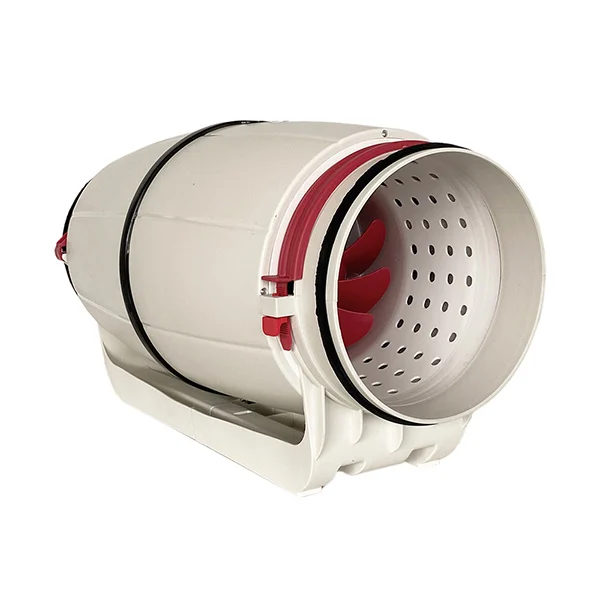
An inline duct fan rarely moves air through an empty, straight tube. A carbon filter helps with odor control but adds resistance. Long duct runs, sharp bends, and restrictive connectors make the fan work harder, so a complicated route often needs more capacity than the raw volume calculation suggests.
Flexible ducting can fit different circular, oval, or rectangular connectors, but every extra foot and bend matters. Keep the route short, direct, and supported. If it cannot be shortened, allow more fan headroom and trim final airflow with the controller.
Room Conditions Can Change Your Ventilation Needs
The same fan can behave differently in different grow rooms. Dense canopies may hold more heat and humidity than lightly planted spaces. A hot room, warm intake air, or high humidity can increase the need for air movement, while a short, cool, low-resistance route may need less speed.
Check the room after the lights have been on for a while. Watch temperature, humidity, odor, leaf posture, and whether air reaches the whole canopy. This shows whether the CFM estimate has enough headroom.
How Should You Set Up an Inline Duct Fan in a Grow Room?
Choose the Right Location for Exhaust and Intake Airflow
Hot air rises, so place the exhaust pickup high in the grow room or tent. Route air toward the fan, filter, and final exhaust point without unnecessary bends. Fresh air intake should enter from a lower or opposite location when possible, moving across the growing area instead of short-circuiting into the exhaust.
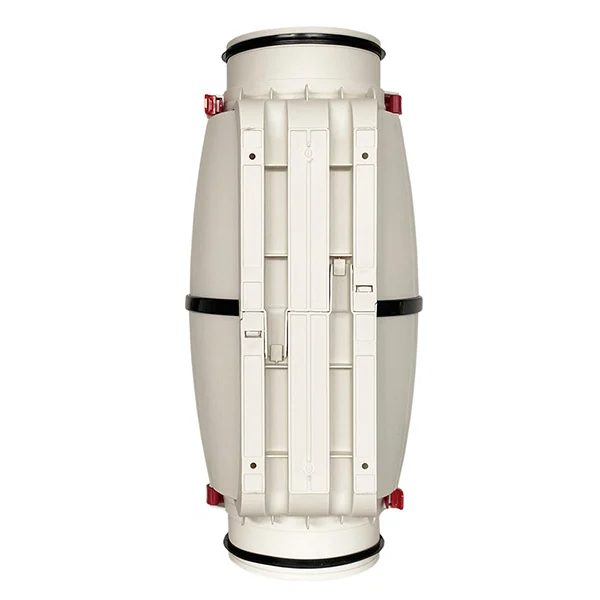
The fan itself should match the job. TIDESTAR describes its mixed flow inline duct fan as an efficient and reliable option for commercial and hydroponic grow environments. Choose the fan, carbon filter, ducting, and controller together because each affects final airflow.
Balance Airflow Between Intake and Exhaust Systems
Good grow room ventilation is not only about exhaust power. If exhaust is much stronger than intake, the room can fall into stronger negative pressure than planned. Slight negative pressure can support the intended exhaust route and odor control, but too much imbalance can increase noise or pull in unconditioned air.
Small passive intake openings may be enough for a simple tent; larger spaces often need a deliberate intake plan. Use a speed controller to balance the system and check whether the walls pull in too hard or the fan sounds strained. For routing details, see How to Install an Inline Duct Fan: A Step-by-Step Guide.
What Features Should You Look for When Buying an Inline Duct Fan?
Consider Fan Size, Speed Control, and Noise Level
Diameter must match the ducting, filter connections, and installation space. A fan speed controller gives adjustment range, while a thermostatic controller can regulate incoming or outgoing fans around a set temperature.
Noise is another buying factor. A slightly larger fan throttled back may be easier to live with than a smaller fan at full speed. Judge noise across the complete path, including filter loading, bends, mounting, and vibration.
Choose Equipment Designed for Continuous Grow Room Operation
Grow room ventilation often runs for long cycles, so reliability matters as much as peak airflow. Choose equipment intended for continuous use and leave access for cleaning. Dust, plant debris, and a loaded filter can reduce airflow over time.
The Ventilation System category lets you review ventilation components in one product area. TIDESTAR positions its ventilation equipment for indoor-growing applications, so evaluate the system around actual operating conditions and maintenance needs.
What Common Inline Duct Fan Sizing Mistakes Should You Avoid?
Choosing a Fan Based Only on Room Size
Room volume is a useful baseline, but it is not the actual airflow requirement. Choosing only from length, width, and height ignores grow lights heat, climate, humidity, plant density, and warm-cycle air exchange.
Start with the volume calculation, then observe the room under real load. If temperature or humidity rises, the system needs more effective airflow, better intake, lower resistance, or additional climate control.
Ignoring Airflow Loss From Filters and Duct Design
Buying a fan based on its free-air number can lead to disappointing airflow after a carbon filter, long duct run, and bends are installed. The same problem occurs when the intake is blocked or flexible ducting is sharply compressed.
Allow capacity for the complete path, keep the route direct, and use speed control for final tuning. A fan that is too small cannot recover lost capacity; practical headroom can be adjusted after installation.
FAQ
Q: How do I choose the right size inline duct fan for my grow room?
A: Start with room volume as a basic air-exchange estimate, then add headroom for grow lights heat, climate, humidity, ducting, bends, and a carbon filter.
Q: How many CFM does an inline duct fan need for a grow room?
A: Multiply length by width by height for a starting CFM estimate, then adjust for heat, environmental conditions, filters, and duct resistance. No single value fits every room.
Q: Where should an inline duct fan be installed in a grow room?
A: Place the exhaust pickup high where hot air collects, keep the route short and direct, and provide an intake path across the growing area.
Q: Can an inline duct fan control humidity in a grow room?
A: It can remove humid air and improve air exchange, but it does not replace a dehumidifier when humidity remains high.
Q: What size inline duct fan do I need for a small grow room?
A: Calculate the small room’s volume, then account for the light load, filter, duct length, bends, and intake. Adjustable speed gives you more room to tune airflow.