
A larger wattage does not always mean stronger results. The suitable LED Grow Lights must fit the grow area. They need to suit the canopy size. They must provide the needed light strength. They also have to work well with the room conditions.
What Does Wattage Mean When Comparing High-Power LED Grow Lights?
At TIDESTAR, we see wattage as the first step in a lighting plan. It is not the final answer. TIDESTAR offers LED grow lights. The company also provides hydroponic systems. It supplies other indoor plant growing equipment. These items help both hobbyists and commercial growers.
Why Does LED Wattage Not Tell the Whole Story?
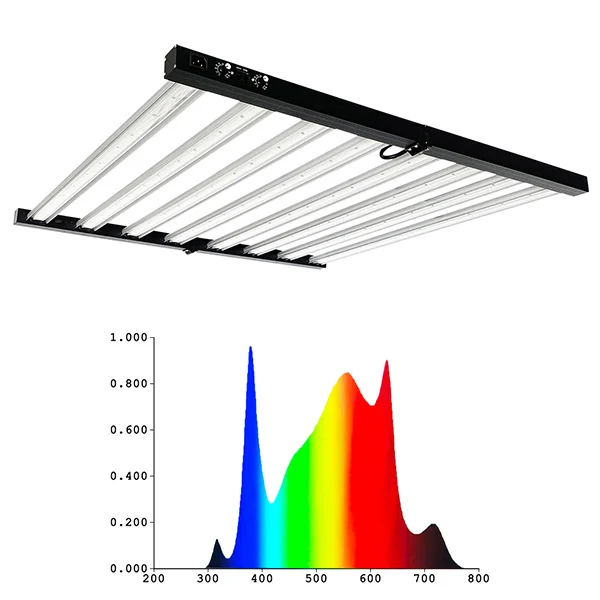
The wattage of LED grow lights indicates the electricity consumption. However, it does not tell anything about the even distribution of light. The PPFD distribution depends on the configuration as well. It changes depending on the height of the hang, the intensity of the light, and the footprint size.
Sometimes, it is possible that a less powerful LED grow light will work better because of its ability to provide even distribution. Thus, while a 1000W light may have excessive power on the periphery of the sparse canopy, a 720W fixture will fit better. Compare the intensity of light at leaf level.
How Are Actual Wattage, PPFD, and Coverage Connected?
Actual wattage is the input. PPFD is the plant-usable light that reaches leaves. Coverage describes how that light spreads across the intended canopy. When PPFD is high only in the center, plants at the edge can remain underlit. This happens even though the fixture consumes substantial power.
Use a PPFD map to check test height. Look at the average value. Note edge falloff and footprint. Then account for the real canopy. Distance changes PPFD. Growing plants move closer to the fixture over time. Actual wattage vs LED Grow Lights is a planning question. It is not a simple ranking.
How Do 720W, 800W, and 1000W LED Grow Lights Differ?
When Is a 720W LED Grow Light the Better Choice?
A 720W LED grow light can suit medium-to-large grow spaces. It works when strong output is needed. Ceiling clearance, ventilation, or environmental control may be limited. It leaves room to dim the light. You can raise the fixture and refine coverage before increasing intensity.
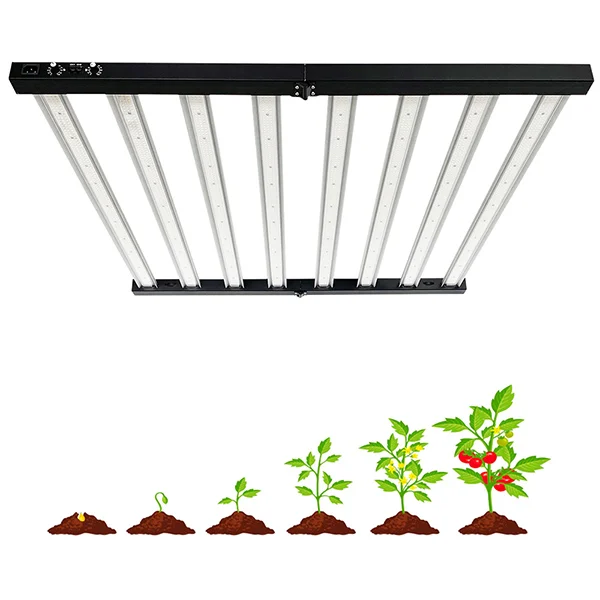
The Horticulture 720W LED Grow Light Bar is a bar-style, dimmable product example. Its distributed layout is relevant to canopy planning. The correct PPFD still depends on the installation and plant response.
When Does an 800W LED Grow Light Provide the Right Balance?
An 800W LED grow light can suit a larger tent. It fits a full canopy that needs more output. A moderate-power fixture may not provide this output comfortably. It offers a middle ground between intensity, coverage, and manageable LED grow light heat management.
The 800W LM281B LED Grow Light is a high-output, dimmable example with a 5x5ft page framing. Treat that as a product reference. It is not a universal coverage promise. Plant density, training, hanging height, and target PPFD still decide whether 800W is the right balance.
When Should Growers Consider a 1000W LED Grow Light?
A 1000W LED grow light is more appropriate when the canopy is genuinely large. The room must manage the additional electrical load and heat. The grower must be able to measure and adjust intensity. It makes more sense in commercial-scale rooms. It also fits broad, dense canopies better than a small tent.
The Samsung lm301B LED Grow Light 1000W is a 1000W example with 5x5FT page framing. More output helps only when the fixture can be hung high enough. Airflow must be adequate. The canopy must be able to use the additional light.
Which LED Grow Lights Match Different Grow Space Sizes?
What LED Wattage Works for Four-by-Four and 5×5 Grow Tents?
For a four-by-four or 5×5 grow tent, start with the canopy footprint. Do not start with the tent label. A tent may have unused floor space. It can have narrow rows or a mixed-height canopy. A 720W fixture can be enough where the canopy is smaller. It also works when the ceiling is lower. An 800W option may fit a fuller canopy. Distribution and dimming must be managed well.
When Do Larger Grow Rooms Need 800W or 1000W LED Grow Lights?
Larger rooms can justify 800W or 1000W LED Grow Lights. This happens when plant density and canopy demand rise with the room. Include fixture spacing in your plan. Consider access aisles and wall-edge losses. Think about overlap between multiple fixtures. High-output LED grow lights work best when the room is planned around them.
Why Should Canopy Size Matter More Than Room Size?
Room dimensions do not show how much leaf area needs light. A large room with one narrow bench may need less power. A smaller room filled with a trained canopy may need more. Measure the active footprint. Identify the tallest leaves. Set a target PPFD for the crop stage.
How Do High-Power LED Grow Lights Affect Heat and Growing Conditions?
Does a Higher Wattage LED Grow Light Always Create More Heat Problems?
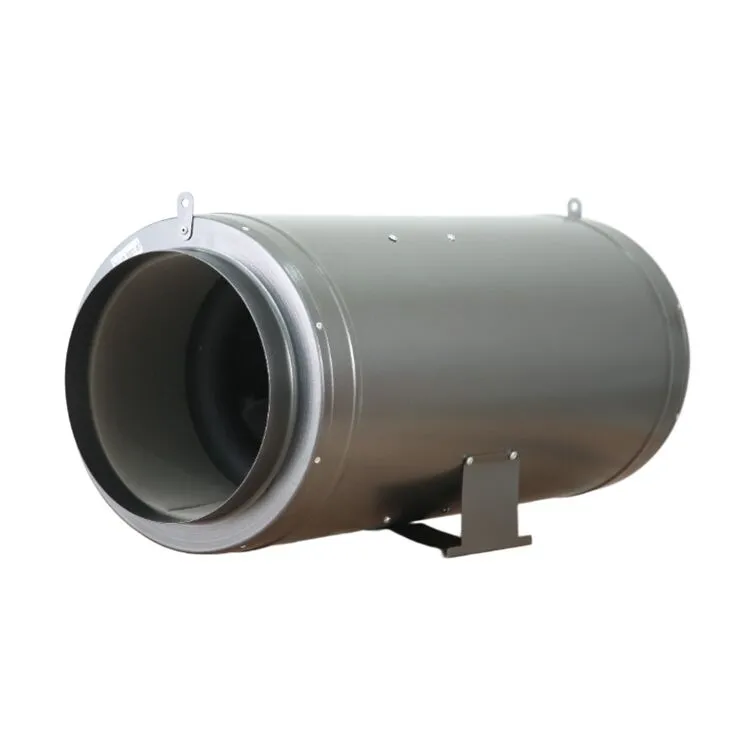
Higher wattage adds more electrical energy to the grow environment. Heat management therefore becomes more important. LED fixtures can be easier to manage than older technologies. High-wattage LED grow lights still require airflow. They need enough temperature capacity and sensible dimming. Insufficient ventilation and poor fixture placement are often the real issue.
How Do Ceiling Height and Ventilation Affect Wattage Selection?
Low ceilings reduce the distance between the fixture and upper leaves. That can make a high-power fixture harder to run at full output. Hot spots or leaf stress may appear. Grow room ventilation must remove heat. It must maintain air movement through the canopy. If height or airflow is constrained, a lower wattage fixture may be better. More dimming can also help.
Why Should Growers Adjust Hanging Height After Upgrading Light Power?
Do not keep the same hanging height after moving to more wattage. Recheck PPFD at the canopy center and corners. Then adjust height and dimming together. A higher fixture can broaden coverage but lower intensity.
How Should You Choose Between 720W, 800W, and 1000W LED Grow Lights?
Which Wattage Is Better for Beginners and Smaller Setups?
For beginners and smaller setups, 720W is often easier to manage. Strong light is still required in these cases. It leaves more room for adjustment. The grower learns canopy control this way. They also learn environmental response and light intensity adjustment. That does not make 720W inherently better. It makes the system less demanding when height, ventilation, and measurement tools are limited.
Which Wattage Is Better for Full-Canopy and Commercial Growing?
An 800W or 1000W fixture can make sense for full-canopy or commercial growing. The room must have adequate height and airflow. It needs enough electrical capacity and monitoring. Plan fixture spacing and plant access as well. A larger fixture cannot correct a poorly distributed layout.
When Is More Power Less Effective?
More power is less effective when the canopy is too small. The fixture may be too close. Edge coverage can be weak. Ventilation may not maintain stable conditions. It is also less effective when growers run maximum output without checking PPFD or plant response. Choose LED Grow Lights in this order. First, consider the growing area. Next, look at canopy density and growth stage. Then review environment capacity. Finally, decide on wattage.
How Can Growers Optimize Performance After Choosing the Right LED Grow Lights?
How Should Dimming Help Manage Different Growth Stages?
Dimmable LED grow lights allow growers to match intensity to seedlings. They can be adjusted for vegetative plants and flowering canopies. Fixture placement does not need to change right away. Use dimming in small steps. Let plants respond before another change. It is a control tool. It is not a substitute for coverage or airflow.
Why Should PPFD Maps Be Checked Before Increasing Light Output?
A PPFD map can reveal whether the center, edges, and corners receive similar light at the stated height. Check it before increasing output. Then verify the installed canopy with a meter. A stronger setting may raise a center reading. It may not improve the perimeter.
How Can Growers Avoid Overlighting Their Plants?
Watch the newest growth after increasing wattage. Pay attention when changing hanging height or adjusting dimming. Bleaching, scorch, curled leaves, and unusually fast water use can indicate excessive light or heat stress. Avoid overlighting plants by changing one variable at a time. Record PPFD, schedule, fixture height, and canopy response.
FAQ
Q: Are 1000W LED Grow Lights better than 800W LED Grow Lights?
A: Not always. Extra output helps only when canopy, height, airflow, and PPFD needs support it.
Q: What size grow area can 800W LED Grow Lights cover?
A: It depends on layout, height, canopy shape, and target PPFD. Check a PPFD map.
Q: Are high-power LED Grow Lights suitable for small grow tents?
A: Usually not at full output. Small tents can limit height and airflow.
Q: How do I choose between 720W, 800W, and 1000W LED Grow Lights?
A: Compare canopy area, height, density, target PPFD, and ventilation.
Q: Do higher-wattage LED Grow Lights produce better plant growth?
A: Only when plants can use it. Distribution and environment also matter.