
Top grow light kits for seed starting do more than just offer the brightest fixtures. They perform well when tray coverage is even. Light intensity is right. Height can be adjusted. Timing fits the actual seed-starting space. Indoor growers often focus on one main question. Does the kit deliver similar useful light to each seedling? Can it continue to work well as the canopy gets higher?
What Makes Grow Light Kits for Seed Starting Effective?
A grow light kit performs well when it supplies even coverage. It allows height changes. It keeps the photoperiod steady. Seedlings react to the light that reaches the canopy. They do not respond to wattage listed on a label. This is why the most practical buying questions focus on coverage, control, and fit.
Why Does Even Seed Tray Coverage Matter More Than Maximum Wattage?
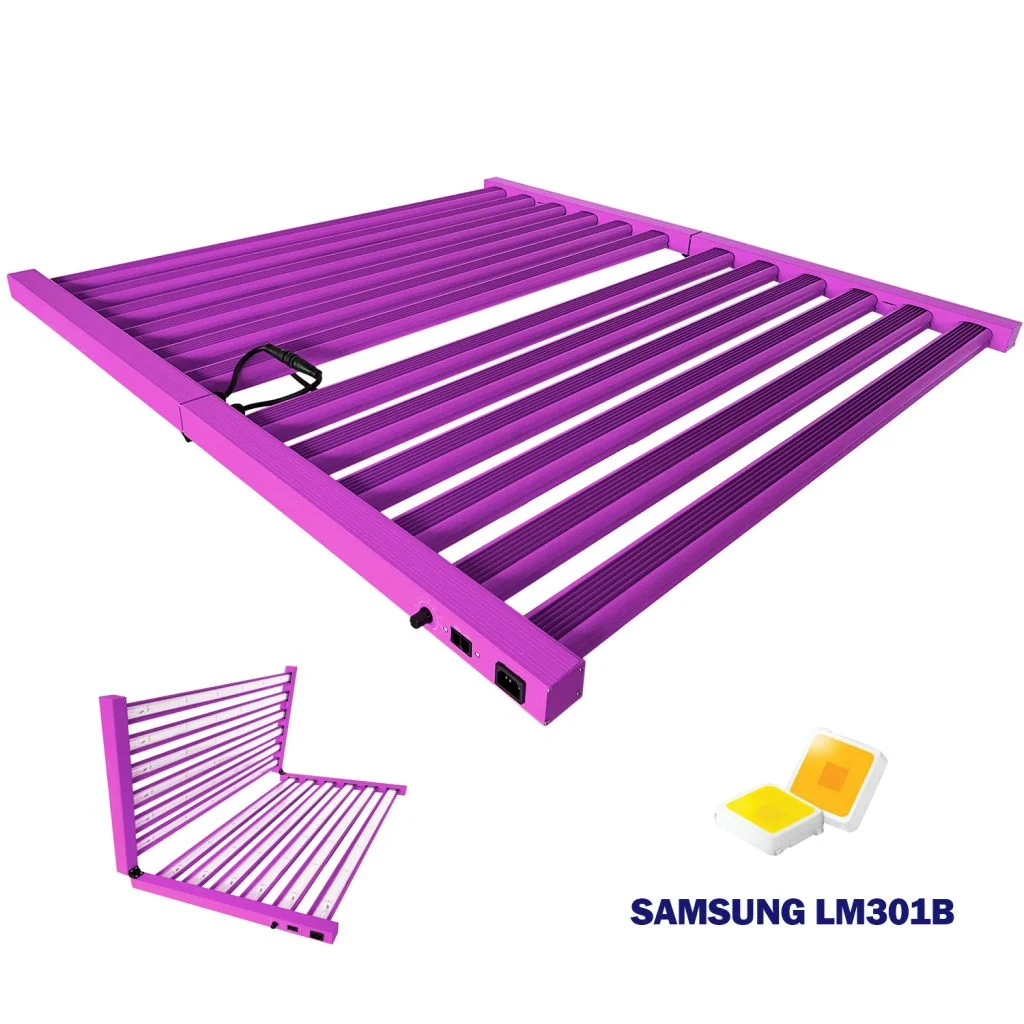
A strong fixture with poor tray coverage can create weaker seedlings than a lower-output light with better uniformity. If the center receives strong light but the edges stay weak, the tray develops unevenly. This is why seed starting grow light setup decisions should begin with footprint instead of wattage alone. A compact option such as the Samsung 100W LED Grow Light Quantum Plate for Veg Bloom links output to real coverage and dimming rather than raw power claims.
Why Should a Grow Light Kit Adjust as Seedlings Get Taller?
Seedlings develop fast during the first few weeks. A suitable adjustable grow light for seedlings holds intensity at a useful level without crowding the canopy. As plants rise, you can change the height or dimming, or both. These adjustments keep the tray evenly lit. TIDESTAR’s wide-spectrum panels follow that same adjustment logic. Our setup approach uses the same principle.
Which Grow Light Kit Format Fits Your Seed-Starting Space?
The right format depends on tray count. It also depends on shelf width and vertical clearance. A small seed-starting grow light kit can be enough for one tray on a table. A shelf-based grow light for seedlings becomes more practical once you want fixed spacing and room to expand.
When Is a Single-Tray or Tabletop Grow Light Kit Enough?
If you start with one tray, a tabletop grow light for seedlings is often the easiest choice. It is simple to position. It is easy to adjust. It is simpler to keep consistent from day to day. A grow light for one seed tray works best when the tray width stays close to the fixture footprint.
When Does a Shelf-Based Grow Light Setup Work Better?
A grow light shelf for seedlings makes sense when you want a fixed growing area. It creates a cleaner seed starting grow light setup. It works well if trays can slide in and out without disturbing the light. The shelf height keeps seedlings close enough to the fixture.
When Is a Multi-Tier Grow Light System Better for More Seed Trays?
A multi-tier grow light system fits growers who need lights for multiple seed trays. They want each level to stay similar. It is useful when future expansion matters. You can add trays without rebuilding the whole space. The tradeoff involves more vertical clearance and better cable management.
What Light Performance Should Grow Light Kits for Seed Starting Provide?
For seedlings, performance is about received light instead of fixture size alone. PPFD for seedlings is the clearest way to measure intensity. It describes the plant-usable light that reaches the canopy. A full-spectrum grow light for seedlings is helpful because it supports early vegetative growth after germination.
How Much PPFD Do Seedlings Actually Need?
Seedling light intensity should be high enough to keep growth compact. It should not be so high that upper leaves bleach or curl. PPFD for seedlings is best judged with distance, photoperiod, and the tray’s response. A scalable example is Samsung LED Grow Lights Panel 75W-480W because it shows how a full-spectrum dimmable family can support different tray sizes.
Is a Full-Spectrum Grow Light Better for Seed Starting?
A full-spectrum grow light for seedlings is often the simplest choice. It can support seed starting and early vegetative growth. The goal is not to copy sunlight exactly. The aim is to supply a useful balanced spectrum.
How Should Grow Light Coverage Match Seed Tray Size?
Grow light coverage for seed trays should cover the full tray instead of only the center row. For a grow light for 1020 trays, the goal is even light across the whole footprint. Seedlings then develop at a similar pace. Uniform coverage keeps the tray from needing correction later.
What Features Should a Complete Grow Light Kit for Seed Starting Include?
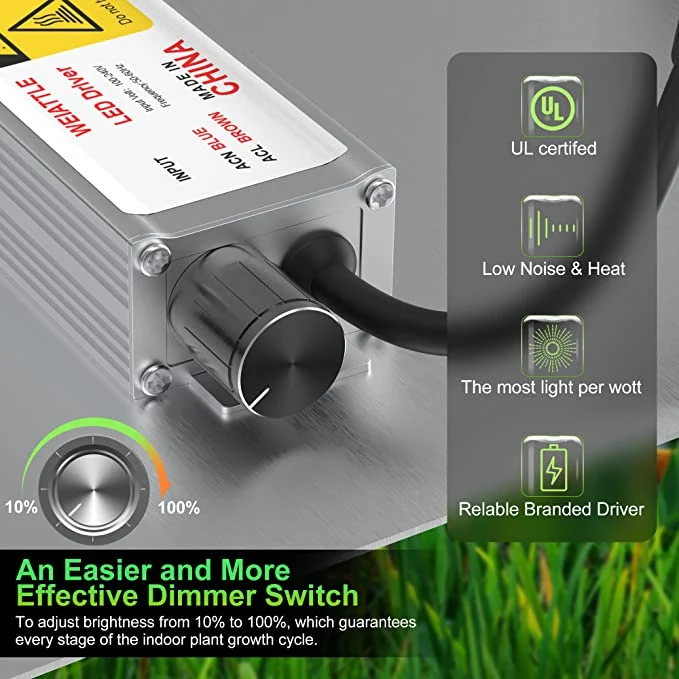
A seed starting kit with a grow light is most helpful when it includes the parts that simplify daily use. These parts are adjustable hangers or stands, dimming, stable mounting, suitable fixture dimensions, and tidy cable routing. Indoor seed starting lights are easier to manage when the hardware matches the tray layout.
Why Are Adjustable Hangers or Stands Important for Seedlings?
Adjustable grow light setups for seedlings are easier to handle because the light can move with the canopy. The TIDESTAR product range includes hanging solutions and adjustable rope kits. These details make a small setup simpler to keep balanced.
Does a Timer Improve Seed-Starting Light Consistency?
Yes. A grow light timer for seedlings helps keep the photoperiod steady. Photoperiod consistency matters more than convenience alone.
Which Kit Features Make Multiple Seed Trays Easier to Manage?
For multiple trays, a dimmable grow light for seedling setups is helpful because each tray may sit at a slightly different stage or height. Stable mounting matters. Good cable arrangement matters. The ability to keep all trays at similar light levels becomes more valuable as the system grows.
How Should You Use Grow Light Kits for Seed Starting for Strong Seedlings?
Once the kit is installed, the main job is consistency. Distance should be adjusted around the actual seedlings. The schedule should be adjusted around the actual seedlings. Brightness should be adjusted around the actual seedlings. These changes should not follow a fixed number from a general guide.
How Far Should Grow Lights Be from Seedlings?
The distance depends on fixture output. It depends on manufacturer guidance. It depends on canopy height and the response in the tray. There is no universal distance.
How Many Hours Should Seed-Starting Grow Lights Run Each Day?
A consistent photoperiod is more useful than chasing extra hours. Many seedling setups run lights for a daily period. They then include a dark interval. This helps plants keep a stable rhythm.
How Can You Tell Whether Seedlings Are Getting Enough Light?
Healthy seedlings under grow lights usually stay compact. They build balanced leaves. They look similar across the tray. Signs seedlings need more light include leggy growth, leaning toward the fixture, large gaps between leaves, and weak development. Excess light can appear as pale upper leaves, curling, or dry edges. For a small kit comparison, see 35W/65W Full Spectrum LED Quantum Grow Light Panel.
How Do You Choose the Best Grow Light Kit for Seed Starting?
The best grow light kit for seed starting delivers suitable and uniform light across the entire tray. It remains simple to adjust as seedlings develop. Before you buy, check tray count, growing area, height adjustability, output, timing, and expansion.
FAQ
Q: What should grow light kits for seed starting include?
A: They should include even coverage, adjustable height, and a steady timer-driven schedule.
Q: Are LED grow light kits for seed starting better than fluorescent kits?
A: LED grow light kits for seed starting are usually easier to scale, dim, and fit into compact spaces.
Q: How many hours should grow light kits for seed starting run each day?
A: Use a consistent daily photoperiod with darkness rather than leaving the lights on all day.
Q: How far above seedlings should grow light kits for seed starting be placed?
A: Set the height by fixture output, tray coverage, and plant response, not by one fixed number.
Q: Are grow light kits for seed starting better than a sunny windowsill?
A: Yes, when you need more uniform coverage, repeatable timing, and tighter control over intensity