

Hydroponic ventilation is frequently designed around fan capacity. Airflow can still get lost before it reaches the crop. Loose joints, sudden reducers, flattened ducting, and connections without proper support can lower exhaust performance. This happens even when the fan itself is correctly sized. A solid centrifugal fan duct connection is therefore very important for turning rated fan performance into steady temperature, humidity, and CO₂ control.
What Is a Centrifugal Fan and Why Does Its Duct Connection Matter?
A centrifugal fan pulls air into the center of a spinning impeller. It then pushes the air outward through its housing. This design keeps airflow steady against resistance from filters, silencers, bends, and long duct runs.
For systems that need higher pressure, we offer the TIDESTAR Industry Centrifugal Duct Fans Blower Inline Centrifugal Blower in several airflow and pressure options. The range lets growers match the fan more closely to the total resistance of the ventilation path instead of depending only on room volume.
How Does a Centrifugal Fan Work in a Hydroponic Ventilation System?
The spinning impeller speeds up incoming air. It creates pressure that moves the air through the connected ductwork. In a hydroponic ventilation system setup, this pressure pulls warm and humid air through the filter. It then sends the air outside the growing area.
Yet the fan cannot deliver steady airflow if the outlet and duct are poorly connected.
Why Is Static Pressure Important for Hydroponic Ductwork?
Static pressure is the resistance the fan must overcome. Filters, narrow adapters, compressed ducts, and sharp bends raise that resistance.
A suitable inline centrifugal fan installation must therefore consider both airflow volume and pressure capacity.
How Does Connection Quality Affect Actual Airflow?
A loose grow room duct fan connection lets air escape before it reaches the outlet. Misaligned joints can also create turbulence, vibration, and extra noise.
A secure connection preserves usable airflow. It also helps the fan operate closer to its intended performance point.
How Can Poor Centrifugal Fan Duct Connections Affect Plant Growth?
Air Leaks Reduce Exhaust Performance and Negative Pressure
Controlled negative pressure in a hydroponic grow room directs replacement air through planned intake openings. Leaking joints weaken this pressure. They also let humid air or odors escape through unintended gaps.
Restricted Airflow Creates Heat and Humidity Pockets
Flattened ducting, restrictive reducers, and partly blocked joints can leave warm, moist air around dense foliage or lower growing levels.
These local conditions raise condensation and disease risks. This occurs even when average room readings look acceptable.
Uneven Air Movement Disrupts Transpiration and CO₂ Distribution
Plants need steady air movement around their leaves. Weak circulation can slow moisture transfer. It can also create local CO₂ depletion.
Connection quality, therefore, affects the crop microclimate, not just the ventilation equipment.
What Factors Create an Effective Centrifugal Fan Duct Connection?
How Should the Fan Outlet, Flange, and Duct Size Be Matched?
For a reliable centrifugal fan flange connection, the duct should match the outlet area as closely as possible. A fan-to-duct adapter should create a gradual transition rather than forcing air through a sudden reduction.
Correct duct size for a centrifugal fan reduces turbulence, pressure loss, and unnecessary noise.
Which Duct Material Works Best in Humid Hydroponic Environments?
Flexible ducting is easier to install around structural obstacles. The material must resist moisture, movement, and deformation.
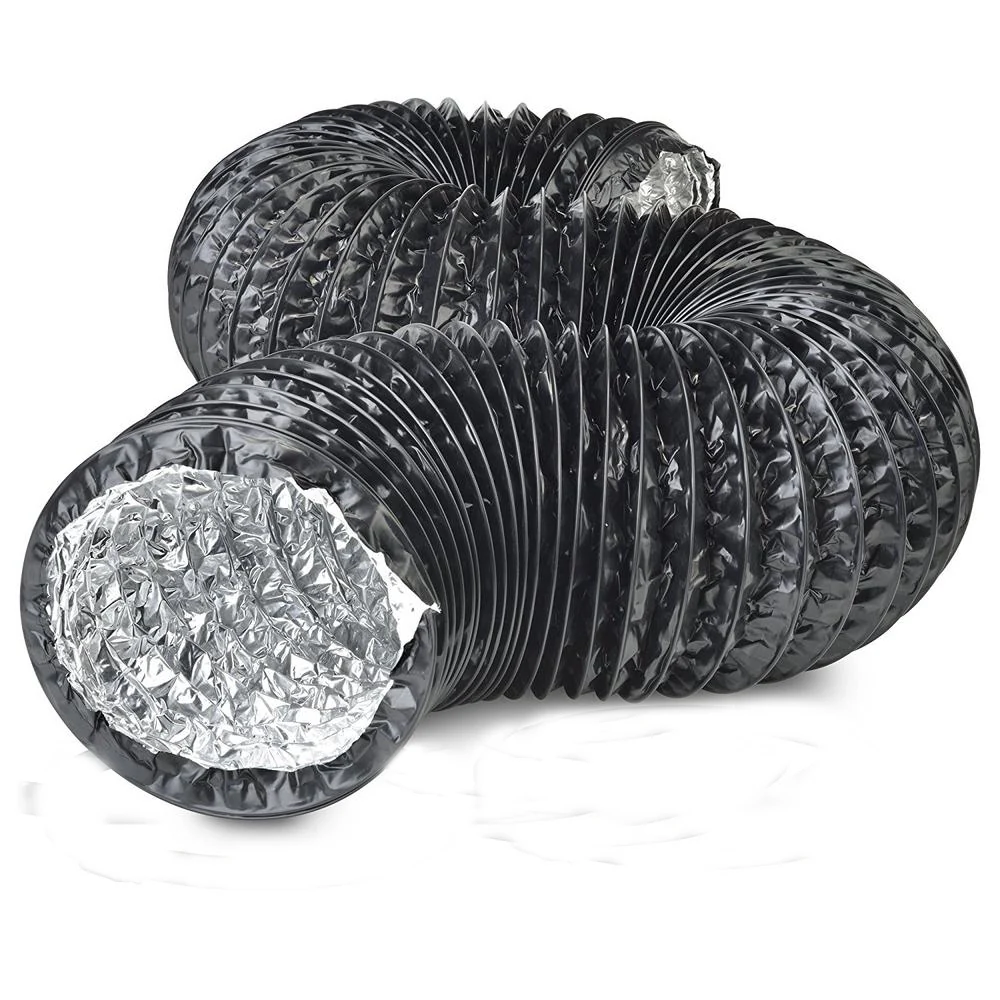
Our TIDESTAR Aluminum PVC Combined Flexible Air Ducting uses reinforced multilayer construction. It can fit circular, oval, or rectangular connectors. Its flexibility supports practical routing. It also reduces the risk of condensation in humid ventilation environments.
How Do Filters, Silencers, Bends, and Duct Length Affect Airflow?
Every component adds resistance. A practical carbon filter fan ducting setup should use the shortest workable route. It should also avoid unnecessary bends.
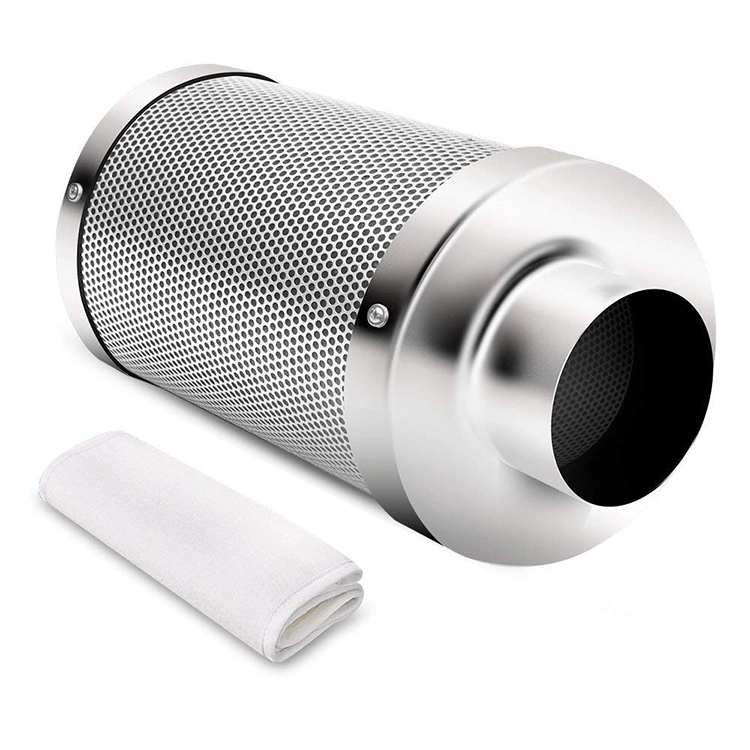
The Activated Carbon Filter Air Filter can be incorporated into the exhaust route for odor control. Its resistance must be considered when selecting the fan and planning the connection.
How Should You Connect a Centrifugal Fan to Hydroponic Ductwork?
Plan the Shortest Practical Hydroponic Ventilation Route
Map the filter, fan, duct, and exhaust point before installation. Smooth directional changes support better airflow than long runs with several tight bends.
Secure the Fan-to-Duct Joint with the Correct Clamp or Collar
For growers researching how to connect a centrifugal fan to ductwork, the connection needs both mechanical support and vibration control.
The TIDESTAR Extractor Fan Ducting Filter Padded Fast Clamp is designed to connect fans, filters, silencers, and rigid ducting. Its foam-lined metal band helps reduce vibration transfer. It is available for common duct sizes from 4 to 12 inches.
Seal Every Connection Without Restricting the Duct Opening
When considering how to seal a flexible duct to a fan, use a clamp to carry the mechanical load. Suitable foil tape can close small air gaps.
Avoid overtightening. A deformed duct opening can reduce airflow.
Support the Fan and Ducting to Reduce Vibration and Noise
The fan should not hang from a flexible duct alone. Independent supports and padded collars help prevent movement from loosening joints.
How Can Growers Verify That the Duct Connection Is Working?
Check Airflow Direction, Negative Pressure, and Air Exchange
Confirm the fan direction first. Then check whether the growing space develops a slight negative pressure. Weak exhaust can indicate leaks, restrictions, or an incorrect fan-filter arrangement.
Monitor Temperature, Relative Humidity, VPD, and CO₂ Trends
Environmental data is more reliable than simply feeling the air at the outlet. Stable readings across different crop zones show more consistent air distribution.
Inspect for Air Leaks, Condensation, Noise, and Collapsed Ducting
Hissing sounds, wet joints, abnormal vibration, and flattened duct sections are warning signs during hydroponic grow room airflow troubleshooting.
What Centrifugal Fan Duct Connection Problems Cause Weak Airflow?
Mismatched Duct Diameters and Restrictive Reducers
Sudden diameter changes increase resistance. Gradual adapters provide a smoother path.
Loose Clamps, Damaged Seals, and Peeling Duct Tape
Heat and humidity can weaken adhesive connections. TIDESTAR 304 Stainless Steel Duct Clamps provide reusable mechanical fastening for large diameter ranges. They help secure ducting without damaging the hose edge.
Sharp Bends, Excessive Duct Length, and Crushed Flexible Ducting
Straightening the route often restores more airflow than increasing fan speed.
Clogged Carbon Filters and Incorrect Fan Placement
A restricted filter may resemble a connection failure. Inspect the complete airflow chain before replacing the fan.
FAQ
Q: What is the best centrifugal fan duct connection for a humid grow room?
A: A secure flange or padded clamp combined with moisture-resistant ducting and foil sealing usually provides a stable and serviceable connection.
Q: How does a centrifugal fan duct connection affect grow room airflow?
A: It determines how much rated airflow reaches the exhaust outlet. Leaks and restrictions reduce actual air exchange.
Q: Should the duct size match the centrifugal fan duct connection?
A: Yes. Matching the duct and outlet dimensions helps reduce turbulence, pressure loss, and noise.
Q: How can a leaking centrifugal fan duct connection be identified?
A: Common signs include hissing, weak airflow, unstable negative pressure, condensation, and rising humidity.
Q: Can duct tape alone secure a centrifugal fan duct connection?
A: No. A clamp or collar should support the joint. Suitable foil tape should only seal remaining air gaps.


