

The best HVAC system for modern homes is no longer judged only by cooling capacity or heating output. Modern families expect consistent room temperatures. They want controlled humidity. They also look for fresher airflow, quieter performance, and simple control.
AI can enhance these results. It does so only when it pairs with correctly sized climate equipment. A connected appliance does not become smart on its own. The true benefit of AI HVAC integration comes from dependable hardware. It also needs environmental sensors. Usage data and adjusting control play important roles.
What Makes the Best HVAC System Smart Rather Than Simply Connected?
How Is AI Different from Wi-Fi Control and Scheduled Automation?
Wi-Fi control lets a homeowner change settings through an app. Scheduled automation follows fixed instructions. One example is turning on the cooling at 6 p.m. An AI-powered HVAC system does more than that. It learns occupancy patterns. It studies temperature changes. It considers weather patterns. It also learns preferred comfort levels.
This difference matters. Remote access improves convenience. AI should improve decisions.
What Data Does an AI-Powered HVAC System Use?
A smart control platform may study indoor temperature. It examines humidity and occupancy. It reviews outdoor conditions, room usage, equipment runtime, and past adjustments. More data does not always mean better performance. Accurate sensors and clear control logic hold greater value. They matter more than collecting extra information.
Where Can AI Improve Heating, Cooling, Ventilation, and Humidity Control?
Effective smart home climate control coordinates multiple functions. Cooling may lower the temperature. It can also change the humidity at the same time. Ventilation may improve air exchange. Yet it can increase the cooling load. AI can help these systems respond as one environment. It treats them as connected parts instead of isolated appliances.
How Does AI Improve Home Comfort and Indoor Air Quality?
Can AI Learn Individual Temperature and Occupancy Patterns?
AI can reduce output when nobody is present. It restores comfort before occupants return. This makes HVAC automation for homeowners more practical. It removes the need for constant manual adjustment.
How Does Smart HVAC Balance Temperature, Humidity, and Ventilation?
However, comfort is dependent on more than just thermostat settings. In case humidity levels are high, even moderately warm temperatures may cause discomfort. Low humidity levels can be irritating to people. The use of HVAC, together with ventilation and cooling systems, provides for better balance.
Can AI-Based HVAC Zoning Eliminate Hot and Cold Rooms?
A well-designed HVAC zoning system can adjust airflow or equipment operation by room. However, software cannot correct severe insulation gaps. It cannot fix blocked airflow, poor equipment placement, or incorrect system sizing. AI works best after these physical issues are addressed.
Can AI Make the Best HVAC System More Energy-Efficient?
How Do Weather and Occupancy Forecasts Reduce Unnecessary HVAC Operation?
An energy-efficient HVAC system should respond to actual demand. AI can delay cooling when outdoor temperatures are expected to fall. It can reduce operations in unused spaces. It can also prevent repeated start-stop cycles caused by overly narrow settings.
How Do Variable-Speed Control and Load Matching Improve Efficiency?
Compatible equipment can adjust gradually. It does not operate only at full output. Matching output to the real cooling or heating load often creates steadier comfort. It also leads to less temperature fluctuation.
What Can Homeowners Learn from Real-Time HVAC Energy Monitoring?
AI HVAC energy optimization becomes more useful when homeowners can see which rooms create extra consumption. They can identify schedules or settings that waste energy. Clear reports can turn energy data into practical actions. They become useful steps rather than unexplained charts.
How Can AI Prevent HVAC Breakdowns and Simplify Maintenance?
How Does Predictive HVAC Maintenance Detect Problems Early?
Predictive maintenance in HVAC looks for unusual runtime. It checks temperature changes, airflow reductions, or rising energy consumption. These patterns may indicate a dirty filter. They can show airflow restriction, sensor error, or declining component performance.
Can Remote Diagnostics Make HVAC Troubleshooting More Accurate?
Remote HVAC monitoring can provide technicians with operating history before an inspection. This may reduce guesswork. Physical testing is still necessary. It confirms a mechanical or electrical fault.
Which HVAC Components Still Require Routine Physical Maintenance?
Filters still need cleaning or replacement. Drainage systems require inspection. Coils collect dirt. Duct connections can leak. AI can issue alerts. It cannot perform these tasks.
How Should Homeowners Choose the Best HVAC Setup for AI Integration?
Start with Home Size, Climate, Insulation, and Occupancy
Equipment capacity should match the room size and local climate. Homeowners should also consider sunlight exposure. They need to review insulation, ceiling height, humidity conditions, and how frequently each room is occupied.
Compare the Main HVAC Options for a Modern Smart Home
Portable Air Conditioners for Flexible Room-Level Cooling
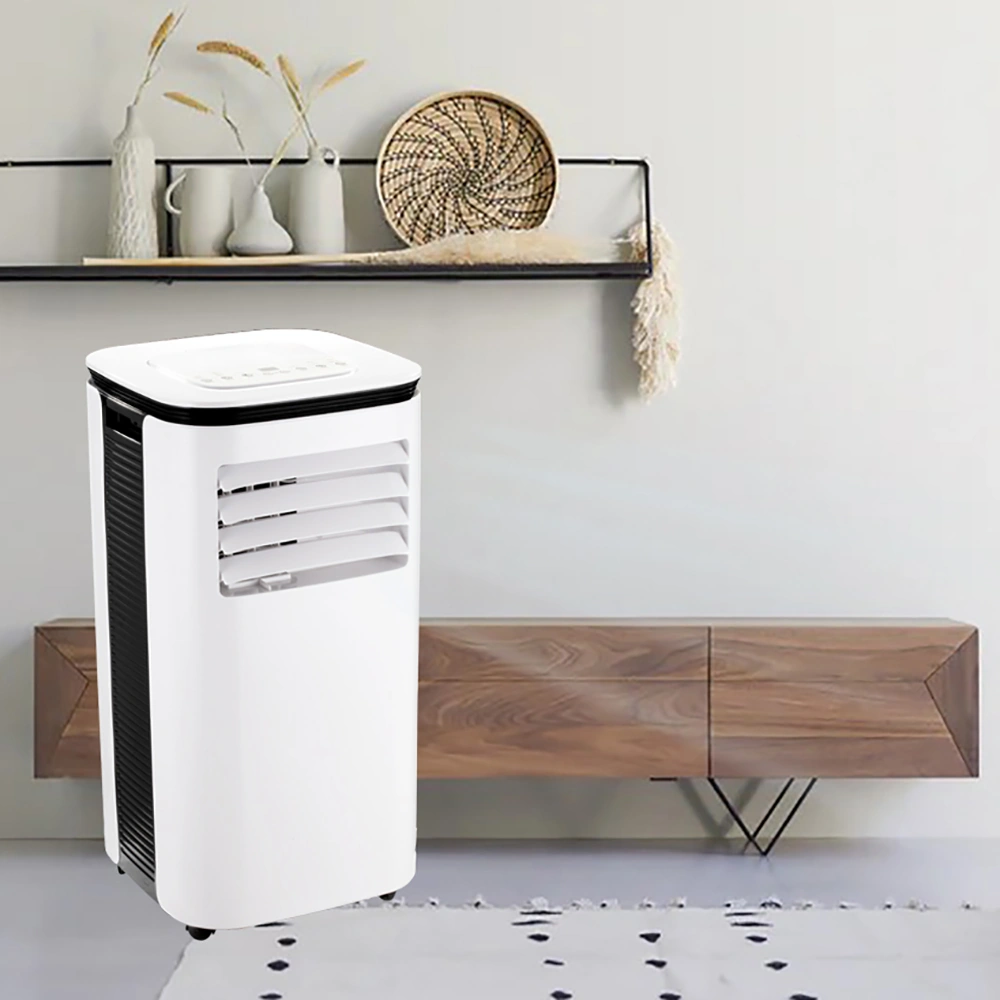
A portable air conditioner with WiFi can suit apartments, rented properties, home offices, or rooms requiring seasonal cooling. At TIDESTAR, we offer the 9000BTU 12000BTU Mobile Air Conditioner with WIFI Function A018. It combines cooling, dehumidifying, and fan modes. Its optional Wi-Fi function allows it to become a controllable part of a wider smart-home setup.
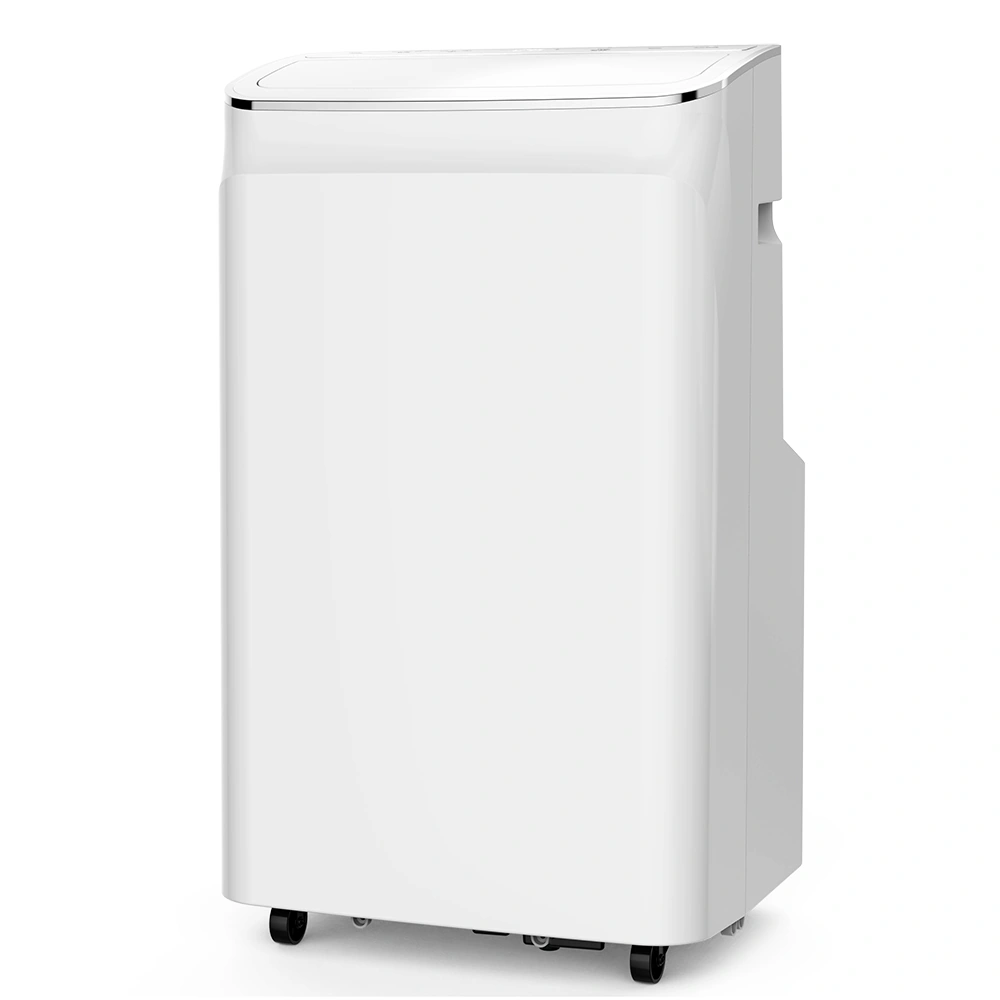
The 12000BTU Portable Air Conditioner A032 is another room-level option. It covers an application area of approximately 18–26 m². It features washable filtration, remote control, and optional Wi-Fi functionality. It provides a practical foundation for a WiFi air conditioner for the home without requiring permanent ductwork.
Split Air Conditioners for Efficient Year-Round Comfort
A split air conditioner for smart home applications is often more suitable for frequently occupied rooms. It can provide stable temperature control. It uses less floor space than a portable unit.
Ducted HVAC Systems for Centralized Control and Zoning
Ducted systems are appropriate when multiple rooms require coordinated heating or cooling. Their value increases when dampers, thermostats, and room sensors support zoning.
Dehumidifiers and Ventilation Systems for Complete Indoor Climate Management
A smart dehumidifier for the home can support comfort during humid weather without unnecessary overcooling. Our New 16/20L Home Air Dehumidifier With WIFI Function includes electronic controls, a 24-hour timer, two fan speeds, auto defrost, and optional Wi-Fi.
Ventilation can also be connected to environmental controls. Our 6-inch, 8-inch, 10-inch, and 12-inch Super Silent EC Mixed Flow Inline Duct Fan supports several controller types. These include temperature and humidity controls.
Check Wi-Fi, Sensors, Thermostats, Apps, and Smart-Home Compatibility
Before purchasing equipment, confirm whether the controller, communication protocol, sensors, and mobile platform can work together. Smart thermostat HVAC integration should be verified rather than assumed.
Consider Data Privacy, Cybersecurity, Internet Dependence, and Manual Override
A smart HVAC system for the home should continue providing basic climate control when an app, cloud platform, or internet connection is unavailable. Manual operation is an essential feature. It is not an outdated backup.
What Will the Next Generation of AI-Powered HVAC Look Like?
Will Edge AI Reduce Dependence on Cloud-Based HVAC Control?
Edge AI processes more information inside the home. This may improve response speed. It can reduce the amount of household data sent to external servers.
How Could Smart HVAC Work with Renewable Energy and Utility Grids?
Future systems may shift some cooling or heating to periods when renewable electricity is more available. They maintain acceptable indoor conditions at the same time.
Why Will Human Feedback Remain Important in Automated Home Comfort?
Comfort is personal. Two people in the same room may prefer different temperatures or airflow levels. The most effective AI systems will learn from feedback. They will not assume every household has identical needs.
FAQ
Q: Can an AI-powered HVAC system reduce energy use?
A: It can cut unnecessary runtime. It achieves this by responding to occupancy, weather, room conditions, and established schedules. Real results still rely on correct equipment sizing. They also depend on solid building insulation. Proper maintenance and user settings play a key role as well.
Q: Does the best HVAC system need a smart thermostat?
A: Not always. Portable or room-level systems may use built-in controls and mobile apps. Central systems often gain more from smart thermostats. They also benefit from zoning controls and room sensors.
Q: Is a portable air conditioner with WiFi suitable for a modern home?
A: It can be suitable for individual rooms, rented homes, temporary cooling, and spaces where permanent installation is difficult. Models such as the TIDESTAR A018 also combine cooling, fan, and dehumidifying functions.


