

What Is a Full-Spectrum Samsung Quantum LED Grow Light Panel and How Does It Work?
Understanding full-spectrum LED grow lights for indoor plants
Growers often work in controlled spaces. They must copy the sun’s natural energy. A full-spectrum LED grow light for indoor plants solves this issue. It supplies a wide mix of light. The spectrum covers the full visible range plus extra wavelengths. These include UV-A and far-red. Experts designed this spectrum with care. It maintains good balance and strong PAR output. The light supports clear goals. It helps plants move from vegetative leaf growth to flowering.
What makes Samsung quantum LED technology widely used in grow panels
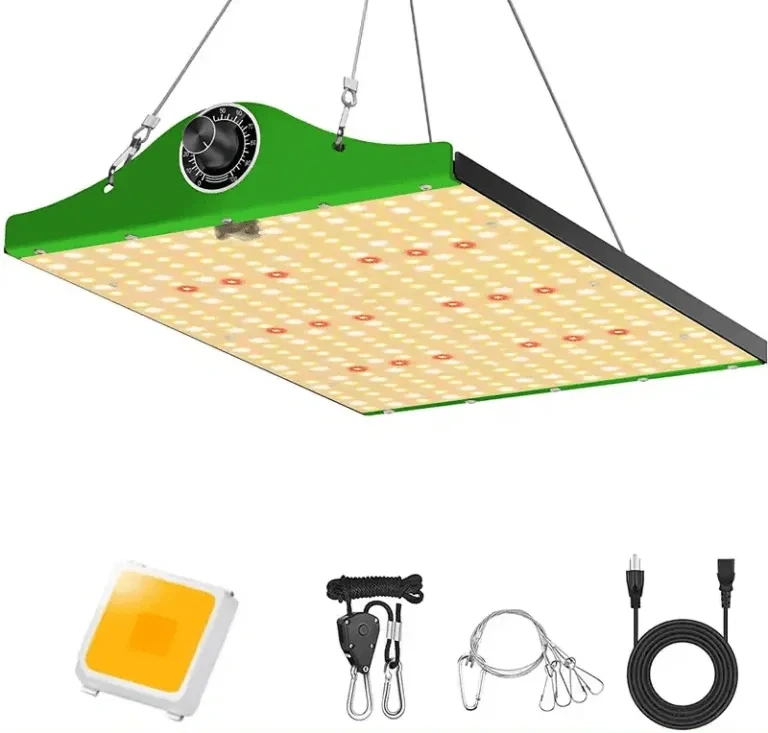
The main advance in these panels comes from the diode layout and efficiency. A full-spectrum Samsung quantum LED grow light panel uses high-efficiency white light quantum boards. These boards hold premium Samsung diodes such as the LM281B or LM301B. Traditional fixtures focus heat and light in one spot. This board spreads hundreds of small and efficient diodes over a flat surface. The approach cuts operating costs sharply. It still delivers high PAR output and strong energy efficiency.
What Are the Key Pros of Samsung Quantum LED Grow Light Panels for Indoor Growing?
Balanced light output for healthier plant development
One main advantage of a quantum LED grow light panel is its even light spread. The diodes sit evenly across a wide board. This removes bright hot spots that can burn the top of the canopy. It also stops dark areas where lower leaves grow slowly. High efficacy increases crop yields. It also lowers running costs.
Strong adaptability across different plant growth stages
Each growth phase needs different light levels. Our Samsung LED grow light panel solutions include a dimmer knob. Growers turn this knob to change brightness. The feature adds flexibility. It produces strong results in every phase. It works well from delicate seedlings to heavy flowering stages.
Better indoor lighting experience compared to traditional grow lights
Older lights often create too much heat and noise. These panels offer a different result. They let you grow plants in a quiet space. The silent, fanless cooling system makes this possible. The reliable passive-cooled design needs no fans. This makes the indoor LED quantum panel very quiet. It stays unobtrusive during daily work.
How Does a Quantum LED Grow Light Panel Compare to Other Indoor Grow Lights?
Quantum panel vs traditional LED grow lights
Traditional LEDs usually rely on narrow red and blue diodes. These diodes affect only a small part of what plants need. A quantum LED grow light panel, however, mixes white light diodes with specific colors like 660nm red, IR, and UV. This combination copies natural sunlight more closely.
Full-spectrum vs. single-spectrum grow lights
Single-spectrum lights require growers to change bulbs or fixtures when they move from vegetative growth to bloom. A full-spectrum LED grow light for indoor plants contains everything plants need. It supports all stages from veg to flower.
Which option fits beginners and advanced indoor growers better?
Both commercial buyers and home growers value these panels for their simplicity. They offer plug-and-play use with no installation needed. Advanced users gain from daisy-chain features and high efficacy. Beginners like that these lights provide a good budget choice. They also make the growing process easier.
Where Are Full-Spectrum Samsung Quantum LED Grow Light Panels Most Effective in Real Use?
Indoor home gardening and apartment plant setups
Space is often limited. The slim profile of a Samsung quantum LED grow light panel fits home settings well. These LED grow lights work with many indoor plants. Examples include lettuce, orchids, organic herbs, and strawberries.
Seedling and early-stage plant growth environments
Young plants react strongly to light stress. The dimmer control on our full-spectrum LED quantum grow light panels lets you adjust intensity. This matches the exact plant needs. It supports safe and strong early growth.
Vertical and shelf-based indoor planting systems
These fixtures use passive cooling and produce little heat. Growers can place them closer to the canopy than HID lamps. We offer models ranging from 35W up to a 480W Samsung LED grow light panel. The range fits multi-layer shelving where vertical space is tight.
How to Choose the Right Full-Spectrum LED Grow Light Panel for Indoor Growing Needs?
Matching light type with plant goals
Buyers should match the light to their final goal. A 35W–65W Full Spectrum LED Quantum Grow Light Panel suits a small herb garden. A 240W Samsung quantum LED grow light panel works for dense flowering crops. Make sure the spectrum matches your harvest targets.
Evaluating coverage area and indoor space layout
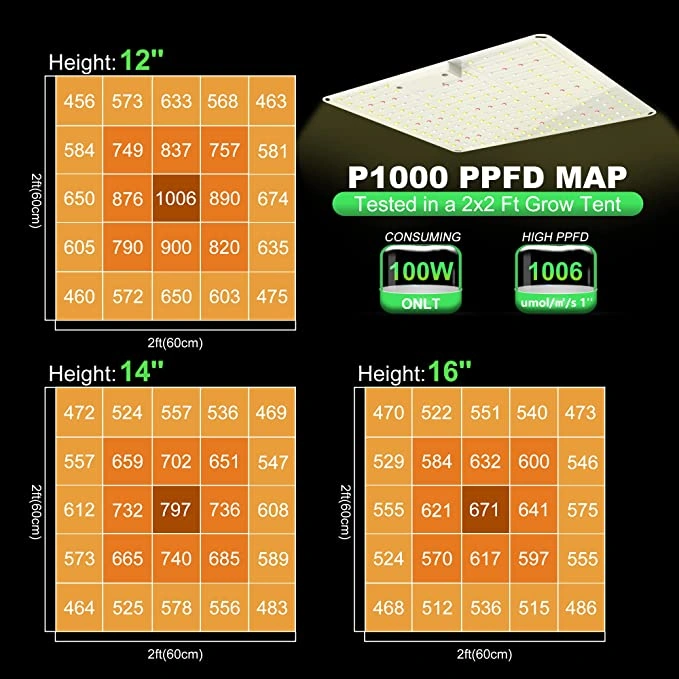
You must match wattage to the growing area. For instance, a 100W model equals a traditional 250W HPS/MH while using only 100W. It works well for 2.5’x2.5′ vegetative coverage at 18″ and 2’x2′ flowering coverage at 14″.
Understanding usability and long-term maintenance needs
Long life matters when you buy equipment. The rugged design guarantees reliable performance in any indoor or greenhouse setting. It offers a lifespan of 50,000 hours. This allows repeated use cycle after cycle.
What Should You Consider Before Choosing a Samsung Quantum LED Grow Light Panel?
Real indoor performance expectations vs assumptions
Remember to adjust height and brightness to match your plants’ needs. A quantum LED grow light panel is highly efficient. Still, maximum yield requires proper canopy management.
Compatibility with indoor environment conditions
High humidity makes durability very important. At TIDESTAR, our panels carry an IP65 rating. They resist dust and humidity. This wet location rating keeps them safe in damp conditions.
User experience and installation simplicity
Choose systems that reduce daily effort. Our full-spectrum Samsung quantum LED grow light panel solutions install easily. They create a clean and attractive option for any modern growing facility.
FAQ: Full Spectrum Samsung Quantum LED Grow Light Panel Pros
Q: Are full-spectrum Samsung quantum LED grow light panels good for all growth stages?
A: Yes. A full-spectrum Samsung quantum LED grow light panel is carefully designed to give plants everything they need from veg to flower. It copies natural sunlight. You do not need to switch fixtures between growth cycles.
Q: How much space does a full-spectrum LED grow light for indoor plants cover?
A: Coverage depends on the wattage. For example, a 100W full-spectrum LED grow light for indoor plants is perfect for a 2.5’x2.5′ vegetative footprint at 18 inches high, and a 2’x2′ flowering footprint at 14 inches high.
Q: Do Samsung quantum LED grow light panels use a lot of electricity?
A: No, they are incredibly energy efficient. A TIDESTAR Samsung quantum LED grow light panel cuts energy costs while providing powerful light. For instance, a 100W model is comparable to a traditional 250W HPS/MH fixture while consuming only 100W.
Q: How far should a quantum LED grow light panel be placed from indoor plants?
A: Distance varies by growth stage. For vegetative growth, it is typically recommended to hang the quantum LED grow light panel around 18 inches above the canopy. Lower it to about 14 inches during the flowering phase while adjusting the dimmer accordingly.
Q: Do indoor LED quantum panels need extra cooling fans?
A: No. A high-quality indoor LED quantum panel features a reliable passive-cooled design built with aluminum materials. This means no noisy cooling fans are required to keep the fixture operating safely.


