

What Is a Wall Air Conditioning Unit and How Does It Work in Modern Homes?
Understanding wall-mounted air conditioning systems
The main idea of a wall air conditioning unit is straightforward. It uses a self-contained or split system. This system mounts high on a room wall. The setup delivers focused climate control. Window units often block natural light. Portable AC systems take up floor space. In contrast, a wall-mounted air conditioning system fits smoothly into the structure of modern homes.
How wall AC units cool indoor spaces
These devices rely on a well-adjusted air flow and heat exchange method. Warm indoor air enters the unit. It passes over cold evaporator coils. Then the system blows the air back as cooled air. The removed heat moves outside. Fixed installation gives better air paths than movable systems. This approach stops the cooling loss that often happens with poorly sealed portable vent hoses.
Are Wall Air Conditioning Units Energy-Efficient Compared to Other Cooling Systems?
Wall AC vs window AC energy efficiency comparison
Through-the-wall units perform much better than window models on energy use. Window units often have heat leakage issues. Their temporary accordion panels leave gaps. Outdoor air enters through these gaps. A properly sealed wall installation lowers this problem. It keeps conditioned air inside the room.
Wall AC vs split AC systems in modern homes
These terms sometimes overlap in modern homes. Yet ductless split AC systems reach the highest level of wall-mounted efficiency. They deliver better efficiency and steady cooling. The compressor stays completely outside. This setup lets you cool only occupied spaces. It avoids the large heat losses that come from central ductwork.
Factors that influence energy efficiency in wall AC units
Final results depend heavily on insulation quality. Advanced hardware still struggles with poor wall sealing. The size of the unit must match the room. Smart daily habits also matter. These include avoiding sudden thermostat changes. Such steps control how much electricity the system uses.
What Makes a Wall Air Conditioning Unit Energy-Efficient or Inefficient?
Importance of installation quality and sealing performance
Poor sealing often causes inefficiency. Air leaks make the compressor work nonstop. This raises energy use. Professional-grade weatherstripping and caulking help. They keep the home’s thermal envelope intact. Proper wall mounting, therefore, protects overall performance.
Role of energy efficiency ratings (EER/SEER concepts)
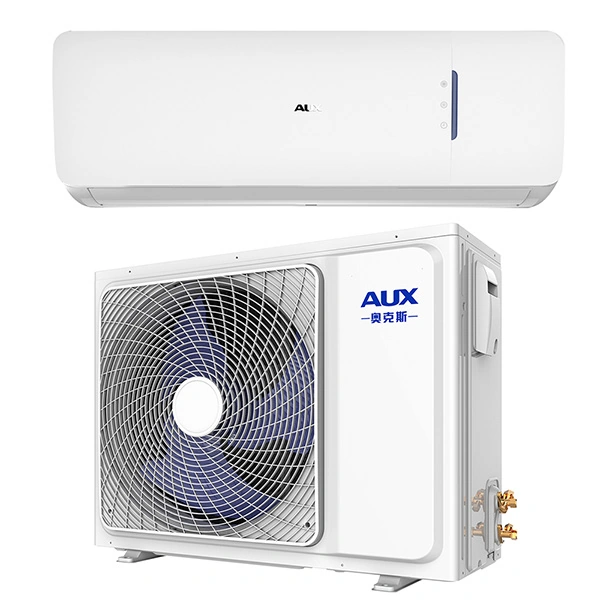
Efficiency ratings affect long-term costs. This point is important for procurement managers and homeowners. Higher ratings bring clear benefits. We at TIDESTAR provide AUX Commercial 12000BTU 18000BTU 24000BTU Cooling Heating Split Wall Air Conditioning with Remote Control that achieves an A++ energy level for cooling, with a SEER rating reaching up to 7. These numbers lead to lower utility costs.
Maintenance and airflow conditions affecting performance
Lack of care harms efficiency. A dirty filter creates major problems. It blocks air flow and lowers performance. Regular cleaning solves this issue. The unit cools the space faster. It also cycles off sooner. This step protects the compressor’s lifespan.
When Are Wall Air Conditioning Units the Best Choice for Modern Homes?
Small apartments and compact living spaces
These units need no floor space. They therefore offer clear space-saving benefits. They suit studio apartments and tiny homes. Compact layouts benefit when every square foot counts. These conditions make wall units a top choice.
Rental homes and semi-permanent installations
Property managers and renters value fixed installation. It supplies steady climate control. There are no security risks from open windows. Our TIDESTAR split systems are whisper-quiet and unobtrusive, with absolutely no ductwork involved. This approach cuts relocation work and initial costs.
Rooms requiring consistent cooling performance
Bedrooms, enclosed patios, basements, and home offices need stable temperatures. A dedicated wall air conditioning unit delivers quick and steady comfort. It works exactly where needed. The rest of the house stays unaffected.
How to Improve the Energy Efficiency of a Wall Air Conditioning Unit?
Proper installation and insulation optimization
Focus on cutting air leaks. Add expanding foam insulation around the wall sleeve. This one-time task improves sealing performance. It brings benefits throughout the entire life of the equipment.
Smart usage habits for lower energy consumption
Keep the thermostat at a steady level. Avoid turning it on and off quickly. Built-in timers offer useful help. They allow the room to precool before arrival. This method stops extra work during the peak afternoon heat.
Choosing the right capacity for your room size
Correct sizing is essential for good results. An undersized unit runs without stopping. An oversized unit short-cycles and skips dehumidification. At TIDESTAR, we ensure you can perfectly match cooling load requirements by offering versatile 12000BTU, 18000BTU, and 24000BTU options.
Wall Air Conditioning Unit Buying Guide for Energy-Conscious Homeowners
Key factors to evaluate before purchasing
Begin with efficiency rating considerations. These numbers help predict operating costs. Noise level also needs attention. Our TIDESTAR models are engineered for silence, operating at a highly comfortable 53 dB indoors for the 12K model.
Design and space compatibility in modern homes
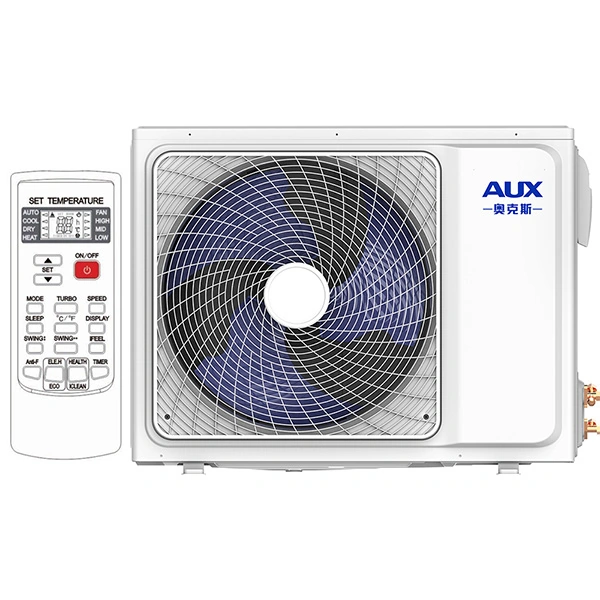
The unit should blend with the interior style. Place it high enough for even air spread. This position covers the whole room. It avoids conflict with existing decor.
Long-term performance expectations and maintenance needs
Check expected durability and service ease. Routine maintenance matters a great deal. Choose units with removable and washable air filters. These features support top performance year after year.
FAQ: Wall Air Conditioning Unit Energy Efficiency for Modern Homes
Q: Are wall air conditioning units energy-efficient enough to cool a whole house?
A: A single-wall air conditioning unit works well for targeted areas. It is highly energy-efficient in those zones. Cooling an entire house usually needs a multi-zone setup. This uses several indoor air handlers linked to one strong outdoor compressor.
Q: What is the ideal SEER rating for an energy-efficient wall air conditioning unit?
A: Higher seasonal ratings bring better savings in modern homes. High-performance models, like the ones we offer at TIDESTAR, achieve a SEER of up to 7, easily securing an A++ energy level for exceptional cost savings.
Q: Does a wall-mounted air conditioning system use more electricity than a window AC?
A: No. A wall-mounted air conditioning system generally uses less electricity. Permanent sealing into the wall cuts thermal leakage. Temporary window units lose more energy through gaps.
Q: How often should I clean my wall AC unit to maintain its energy efficiency?
A: Check and clean the removable air filter every two to four weeks. Do this more often during heavy summer use. Clean filters prevent serious airflow problems and support steady energy-efficient operation.
Q: Can split AC systems provide both heating and cooling for modern homes?
A: Yes. Many ductless split AC systems work as effective heat pumps. Our systems provide a convenient and cost-effective way of heating and cooling your living or workspace year-round with a strong A+ rating for heating efficiency.


