

A climate-resilient home is not just about having a sturdy roof and good windows. It is also about protecting the base of your home where you live. The weather patterns are now shifting more frequently than in the past, and moisture in the basement needs to be controlled in order to protect your home from heavier rain and higher humidity. When you want to guard your property against heavier rain and higher humidity, then a>basement dehumidifier with a pump is a very practical solution to protect your home.
The Reality of Modern Climate Challenges on Home Infrastructure
The Link Between Erratic Weather and Basement Moisture
We can see climate change locally in stronger rain events. When the water table is up, or we have long rains to fall on the ground around your foundation, that water is going to find its way into your basement. Typically, this does not happen overnight as a big flood. Instead, it can happen slowly over time as the moisture begins to wick up through the walls or increase the indoor humidity. Modern homes are designed and constructed with the changing weather in mind. To keep the basement from becoming a future problem for your home, it is important to take an active role in controlling the moisture in your home.
Why Conventional Dehumidifying Methods Fall Short
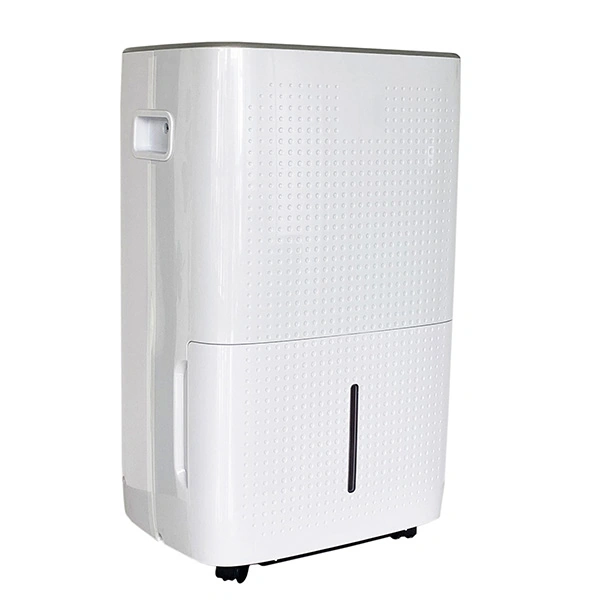
Old-style dehumidifiers use gravity and collection tanks. These units stop once the tank fills. During a storm, you may be away or busy with other tasks. The unit then shuts off and leaves the space open to more moisture. Passive drainage reacts after the fact. A resilient home needs steady moisture control that runs without constant checks from you.
Why a “Basement Dehumidifier With Pump” is Non-Negotiable
Gravity Drainage vs. Active Pump Systems
Many basements lack a drain at floor level. A regular unit cannot move water out well if the drain sits higher or does not exist at all. A basement dehumidifier with a pump uses an active lift system. It pushes water through a hose to a sink, window, or drain line. This setup frees you from placing the unit right next to a drain point.
Ensuring 24/7 Protection During Storm Events
Resilience means keeping protection steady. When the weather turns bad, you need reliable moisture removal. The units use strong cooling parts that keep pulling water from the air. The pump lets the system run without stopping at a full tank. Your basement stays dry even when outside conditions test the house.
Protecting Structural Integrity: More Than Just Comfort
Combating Structural Degradation Before It Starts
Humidity over time can cause damage to metals within the home, as well as allow rotten wood to deteriorate further, and allow poor-quality foundation seals to deteriorate further. When you keep the humidity in your house constant, you ensure that the important parts of your house remain safe and that its overall value is maintained. This is achieved by not allowing any form of dampness to develop.
Maintaining Indoor Air Quality in Challenging Environments
High moisture helps mold and dust mites grow in the basement air. A truly resilient home stays healthy, too. Units with good airflow and smart humidity settings limit these allergens. They create steady conditions that protect both people and the building itself.
Selecting the Right Capacity for Your Basement Space
Tailoring Capacity to Your Basement Volume
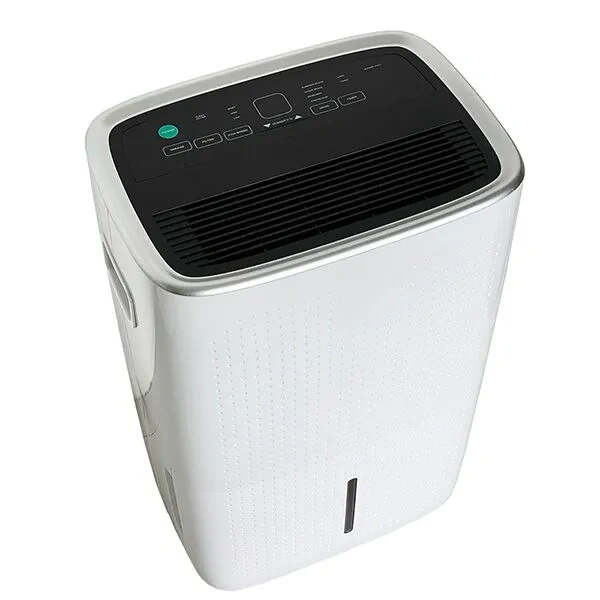
Capacity is rated in liters removed per day. You match this rating to your basement size and moisture level. For spaces up to 60 square meters, the TD-D50 50L Dehumidifiers Up to 5000 Sq Ft for Continuous Dehumidify Home Dehumidifier with Digital Control Panel removes 50L per day while using energy in a careful way. Larger homes may need the TD-D60, which removes 60L per day and holds an 8L tank to cut down on emptying. Industrial needs can reach up to 1440L per day with our heavy-duty models.
Reliability in Continuous Operation
Look for auto-defrost and solid compressors when you choose a unit. These parts keep the machine running in cool, damp basement air during spring and fall. At TIDESTAR, the TD-D20 Home 20L Dehumidifier With Touch Screen Control Panel Commercial Air Dehumidifiers and TD-D22 include these features. They deliver steady water removal without breakdowns, even in tough humidity.
Integrating TIDESTAR Into Your Home Defense Strategy
At TIDESTAR, we treat basement moisture as an engineering task, not just a household item. We have worked for more than ten years on industrial and indoor air control. A unit meant to protect a space must match the strength we build into commercial gear. Our models focus on quiet cooling and simple controls because basements often serve as living areas, too. When you add a TIDESTAR system, you gain tested parts built for long use. We supply more than machines; we offer steady performance that keeps your home air and structure in good shape.
Frequently Asked Questions (FAQ)
Q: Why is a pump necessary for a basement dehumidifier?
A: A pump moves water up or across to a sink or drain line. Many basements have no floor-level drain. A basement dehumidifier with a pump removes water on its own, so you skip the task of emptying a heavy tank by hand.
Q: How does a basement dehumidifier with a pump help prevent mold during heavy rain?
A: Heavy rain raises moisture fast inside a basement. The unit holds humidity low and steady. This stops mold spores from starting to grow. The system keeps working through long rain periods and maintains a dry space.
Q: How do I determine the right dehumidifier capacity for my basement?
A: Capacity depends on floor area and how much moisture the space holds. Larger unfinished basements often need a 50L-per-day model or higher. Check the room-size guide for each unit to match coverage needs.
Q: Where should I install a basement dehumidifier with a pump to get the best results?
A: Place the unit in the middle of the room to facilitate maximum air circulation. Keep the unit away from boxes and furniture. Place on a flat surface with adequate room around both the intake and exhaust vents to allow the unit to treat the entire volume of air.


