

When equipping a current growing operation, the discussion about Samsung LM301B vs LM301H occupies the thoughts of many business growers. Both diodes mark the height of present plant lighting performance. Yet, selecting the incorrect one for your particular setup can cause quick wear and reduced plant output. The proper selection demands more than glancing at simple data pages. It involves grasping how these diodes hold up in the tough conditions of a business grow space.
Samsung LM301B vs LM301H: Core Technological Differences Explained
The Original Purpose: General Illumination vs. Dedicated Horticulture
To grasp the Samsung LM301B vs LM301H difference, we need to examine their design plans. Engineers created the LM301B to lead in premium business indoor lighting. It targets areas such as offices and shops. The chip performs well in neat, temperature-managed settings. On the other hand, the LM301H includes the “H” for Horticulture. This chip serves as a focused farming diode. They built it entirely to meet the tough light needs and rough aspects of expert plant growing.
PPE and PPFD Metrics: How Big is the Initial Output Gap?
Many buyers fixate entirely on Photosynthetic Photon Efficacy (PPE) when analyzing high-efficiency LED grow lights. On paper, the LM301H often boasts a slightly higher initial PPE (sometimes pushing past 3.10 µmol/J) compared to the highly respectable output of the LM301B. However, in real-world applications during the first few harvest cycles, this initial output gap in commercial grow lighting is relatively marginal. The true differentiating factor that dictates long-term profitability isn’t the day-one brightness; it is how long that brightness survives.
Durability Battle: How LM301H Outperforms LM301B in Harsh Environments
The Vulnerability of LM301B to High Humidity and Fertilizers
Business growth creates a tough setting. Leaf sprays, elevated moisture, and plant nutrients form conditions that harm electrical parts. Since designers made the LM301B for tidy indoor areas, its basic covering exposes the inner silver frame to risks. When facing common sulfur or excess dampness, a reaction takes place. This swiftly wears down the chip. As a result, the cover darkens, and the LED grow light output falls sharply well before its expected duration.
The LM301H Advantage: Anti-Sulfurization Tech for Greenhouse Survival
The key trait in the Samsung LM301B vs LM301H endurance contest is the LM301H’s unique anti-sulfurization method. Samsung strengthened the LM301H with improved layers. These layers stop sulfur and water from entering the chip’s center. Thus, even in spaces using sulfur devices or strong chemical treatments, the LM301H fights off breakdown. This sturdy design keeps the chip delivering strong light output cycle after cycle. It protects the endurance of your commercial greenhouse lighting purchase.
Samsung LM301B vs LM301H ROI: Which LED Maximizes 2026 Budgets?
Upfront Procurement Costs: Is the LM301H Premium Worth It?
Scaling up a facility requires strict budget management, and the LM301H commands a noticeable price premium over the LM301B. If you are outfitting a massive warehouse, the initial capital expenditure for top-tier horticulture LEDs can be daunting. The decision hinges on whether the facility’s environmental controls are strict enough to mitigate the risks associated with the less expensive LM301B chips.
Long-Term Yield Protection: Depreciation and Energy Savings Over Time
When figuring the Total Cost of Ownership (TCO), the numbers change. The fast light loss from a failing LM301B leads to weaker plant coverage and smaller harvests in the second and third years. The LM301H, shielded by its anti-sulfurization layer, holds steady PPFD levels for commercial grows for a much longer time. For valuable plants, the avoided output drop quickly surpasses the starting cost difference. This boosts your 2026 funds via ongoing results.
Making the Right Choice: LM301B or LM301H for Your Facility?
Ideal Commercial Scenarios for Deploying the Cost-Effective LM301B
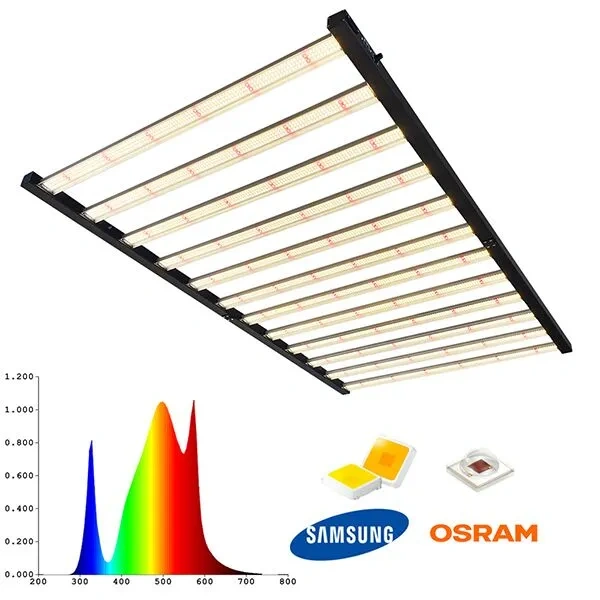
In enclosed vertical farms or fully managed clean areas where moisture stays in check and sprays do not occur, the LM301B stands as a smart pick. In such spotless conditions, operators can use the strong output of units like our 1000W 1200W 1400W 4x6FT LED Grow Lights Samsung lm301B Full Spectrum Lamp. This IP65-rated unit offers fine evenness and a solid efficiency of 3.1 μmol/J. It brings quick returns without extra spending on unneeded strength features.
When Should Growers Invest in the LM301H Upgrade?
If your work includes standard greenhouses, regular leaf feeding plans, or damp blooming areas, the switch becomes essential. The real demands of these settings will ruin basic chips. Operators handling high-end medical plants or those applying heavy farm chemicals need to choose the LM301H. This ensures their LED grow light’s lifespan withstands the site’s routine tasks.
Securing Authentic Samsung Technology with TIDESTAR Solutions
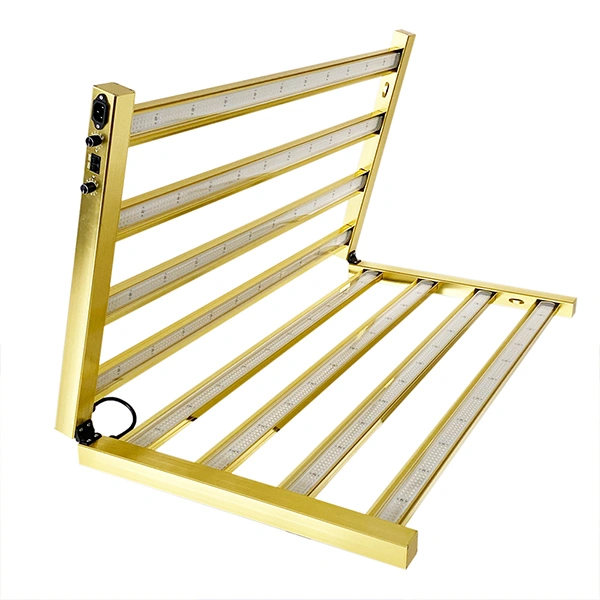
We at TIDESTAR recognize that handling the details of business lighting needs a reliable ally. Guided by a drive for new ideas and eco-friendly practices, we assure the use of genuine, quality Samsung diodes in our tailored products. For the needs of top strength, our 1000w Full Spectrum 5x5ft Samsung lm301H Foldable Plant LED Grow Lights achieve a remarkable efficiency of 3.34 µmol/J. Through modern methods and firm quality checks, we make certain each unit yields greater output and power reductions, supported by a firm 3-5 year warranty.
FAQ
Q: What is the main difference between the Samsung LM301B vs LM301H chips?
A: The chief variation rests in their planned use and strength. Designers built the LM301B for everyday indoor lighting. This leaves it open to water and sulfur wear. The LM301H acts as a focused plant chip with better anti-sulfurization features. It endures and keeps strong output in rough, wet business growth settings.
Q: Can I mix Samsung LM301B vs LM301H LED grow lights in the same grow room?
A: Yes, mixing works, but it proves wiser to place them according to the exact climate at your site. For example, you might install our TIDESTAR LM301B units in clean, controlled growth areas. Then, place the tough LM301H units in moist, chemical-heavy blooming sections.
Q: Does the Samsung LM301B vs LM301H debate matter for indoor hydroponic setups?
A: Yes, it does. Water-based growing naturally involves high moisture and regular nutrient contact. Strong climate management can lessen dangers for the LM301B. Yet, the LM301H’s anti-sulfurization layer offers vital protection against fast light wear in busy water systems.
Q: How does the lifespan compare in the Samsung LM301B vs LM301H showdown?
A: In a clean, dry space, both chips deliver fine endurance. However, in a true business grow area facing nutrients and dampness, the LM301H lasts far longer than the LM301B. Quality units with these chips usually hold 90% of the starting output at 35,000 to 50,000 hours. But only the LM301H reaches those figures dependably in a tough greenhouse.
Q: Which provides better yields when comparing Samsung LM301B vs LM301H?
A: During the initial crop, outputs may match closely since both offer fine light performance. Over 3 to 5 years, though, the LM301H yields more steadily. Its shielding layer stops the major light loss that the LM301B faces in farm settings.


