
A whole house air conditioner may reduce electricity use with a carefully planned installation. Assess installation, starting with airflow in one occupied room. For suspected attic duct leakage, find the repair in the quoted work. Start there when discussing replacement. Bring recent bills and operating hours to that discussion, too. The estimate should identify its assumptions. Find identified duct sealing and insulation repairs in the price. An equipment replacement excluding those repairs still leaves the losses.
When Does Whole House Air Conditioning Use Less Energy?
Compare seasonal efficiency with the existing system
SEER2 compares the seasonal efficiency of residential central air conditioning equipment. The electricity charge on a bill also depends on cooling hours and the tariff, neither supplied by the rating. Check that quotes use the same rating basis. A retained indoor coil deserves particular attention because it must match the proposed outdoor unit. Put the component list and proposed distribution repairs alongside the rating when reviewing each installation quotation.
Account for the house, not just the equipment label
Use the room plan to record afternoon sun, shaded windows and the rooms that warm first. Include drafts and roof heat in the load discussion as well. Compare the attic insulation entered in the quotation with site conditions. Any difference needs a matching improvement in the proposed work schedule. Indoor temperature matters: a calculation for one setting cannot show equipment demand at a lower household setting.
How Should a Whole House Air Conditioner Be Sized?
Require a room-by-room cooling-load calculation
Read the load calculation with each room marked for comparison. For an occupied bedroom, request its calculated load and compare that with the airflow and capacity proposed. Check entries for window exposure, attic insulation and local climate. Insulation or air-sealing work awaiting completion belongs among the planned improvements, with that status clearly identified. Resolve a capacity mismatch before ordering. Check both sides of the sizing decision. Oversizing risks frequent cycles, affecting comfort and efficiency; undersizing may leave rooms warm when the cooling demand is at its highest.
Check whether the proposed layout reaches every room
If closed bedrooms remain warm, check their supply and return paths before questioning the equipment capacity. Trace its supply and return on the plan, including additions and closed bedrooms. Mark indoor unit positions for wall-mounted split units. Commissioning records should pair room-by-room airflow with the plan for the installer's distribution check. An unresolved route remains a coverage question even when the specified equipment capacity appears sufficient. TIDESTAR lists air conditioner formats with different distribution needs; a category listing alone cannot establish whole-house coverage.
Can Ducts and Zoning Change Cooling Costs?
Fix air losses before comparing new equipment
Inspect accessible duct runs before comparing equipment prices. An attic or garage inspection gives the installer specific joints and damaged insulation to investigate, alongside reports of weak airflow. The equipment quote should identify the resulting duct repairs. A quotation excluding these repairs leaves the distribution loss unresolved. Agree on the repair work before reviewing how much capacity and room airflow the installation will need.
Use zones only where the control design supports them
Separate thermostats and dampers link the occupied floors or wings to cooling demand within a designed zoning arrangement. Then follow the proposed controls through a cooling call from one zone alone. The installer must explain how minimum airflow is maintained. Manually closing supply vents supplies no such explanation and cannot substitute for the control design. Where ducts would need extensive repair or construction, compare a room-by-room split arrangement as well. Price each arrangement for the same rooms and occupancy hours. Any duct repairs or construction belong in the installation price used to choose between them.
How Can You Estimate the Effect on Utility Bills?
Compare electricity use under the same assumptions
A quotation allowing fewer cooling hours has an assumed advantage. Identify the weather period, operating schedule and thermostat setting behind each seasonal cooling kilowatt-hours estimate. Compare those inputs first. If they differ, have the installer recalculate before applying the tariff to the electricity estimates. Keep installation cost separately. This makes the usage comparison easier to review.
Measure performance after installation
Keep occupied rooms and thermostat settings beside the electricity reading and charge when filing each bill. Add unusual weather and any room that misses its set point. These notes help distinguish rate changes from increased use. Retain the filter instructions there too. A note made during uneven cooling gives the technician a room and operating conditions to investigate during inspection.
Which TIDESTAR Air Conditioner Format Fits the Plan?
Review ducted cooling as a system decision
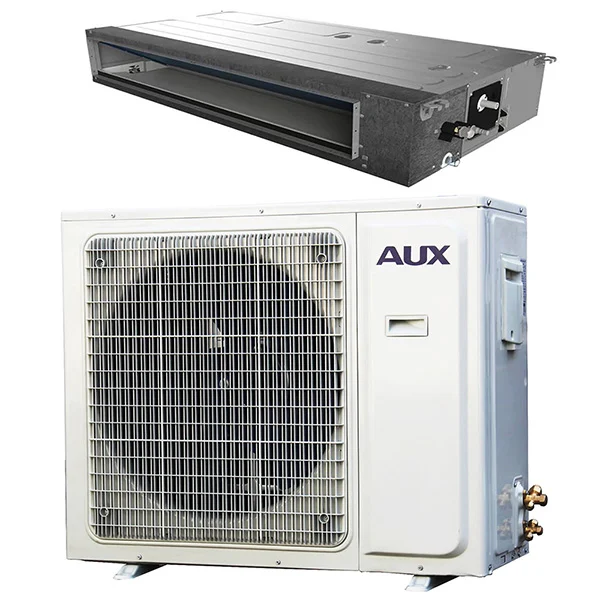
Nossa duct-type air conditioner combines an adjustable thermostat with scheduling. It has remote control, a 24-hour timer, energy saver and sleep modes. For filter care, the filter can be removed. Check the proposed capacity and component combination during review. Have the installer check the load and duct layout. A schedule alone establishes neither whole-house coverage nor bill savings. Verify service access for controls and filter.
Compare a split solution where ducts are impractical
Cooling and heating from our split wall air conditioner require no ductwork for that unit. The unit includes remote control; its filter can be removed for washing. On the plan, mark its service area. To cover the whole home, a combination of units needs designing. Compare that arrangement with ducted equipment using identical occupied rooms, installation work, and running hours. TIDESTAR can identify available formats; a qualified installer should verify the final design and local efficiency requirements.
FAQ
Q: Does a whole house air conditioner always lower electricity bills?
A: No. A bill contains both consumption and price. Check each: fewer kilowatt-hours will not necessarily offset an increase in the electricity tariff. Keep the quoted cooling hours, duct condition and load assumptions. Then find the installation work intended to deliver that improvement in the price.
Q: Is a higher SEER2 rating enough to make whole house air conditioning efficient?
A: Compare SEER2 with the installation proposal. Check capacity against the calculated load, confirm component compatibility, and review duct work. Follow the proposed air routes to each room; the rating alone cannot confirm coverage. Have unresolved coverage gaps explained before choosing equipment.
Q: Can a ductless air conditioner cool a whole house efficiently?
A: Map the proposed indoor units’ cooling routes against all occupied rooms. For a bedroom outside those routes, request the intended supply arrangement. Compare this with ducted cooling before accepting the proposed coverage.
Q: How can homeowners calculate whole house air conditioner running costs?
A: Begin with the quoted seasonal cooling kilowatt-hours, checking the installer’s weather, thermostat and occupancy assumptions. To convert that figure into charges, apply the tariff for proposed operating hours.
Q: What maintenance helps a whole house air conditioner retain efficiency?
A: Use the cleaning instructions for the filter, and keep return and supply openings clear. Record where airflow is weak or cooling uneven, with operating conditions when you notice it. Give those notes to the technician for investigation, including duct connections and damaged insulation.