

Raising strong crops inside has turned from trial and error into a precise method. Os jardineiros internos e os produtores de negócios precisam usar cultivam luzes para tomates de uma forma inteligente. Essas plantas comem muitos nutrientes, e suas necessidades mudam com o tempo. Para tirar o máximo da sua cultura de 2026, ajuste seu plano de luz para encaixar na planta. o ciclo natural.
Por que as etapas de crescimento são cruciais quando usam luzes de crescimento para tomates?
O perigo de “ Um tamanho se encaixa em todos; Estratégias de iluminação
Muitos esforços internos crescentes falham. Os crescedores colocam uma unidade de luz, colocam um temporizador e deixam-no em paz. Os tomates mudam muito enquanto crescem. Uma força leve e uma mistura de cores adequada a um jovem tiro fraco não alimentará uma planta adulta com frutas. Se você não mudar seu método, os troncos ficam longos e finos. As flores caem. No final, você tem baixa produção.
Entender o DLI (Daily Light Integral) para culturas de alto rendimento
Para obter frutas tão boas como numa estufa lá dentro, aprender sobre o Daily Light Integral (DLI). DLI localiza a quantidade completa de partículas de luz que ajudam as plantas a crescer durante um dia inteiro. Os tomates precisam de muita DLI, geralmente 20 a 30 mol/m ²/d. Você alcança isso fazendo mudanças exatas na força de luz e tempo em cada parte de crescimento.
Preplantação: Como escolher a melhor configuração de eficiência para 2026?
Comparando o Espectro Completo com Soluções de LED Personalizáveis
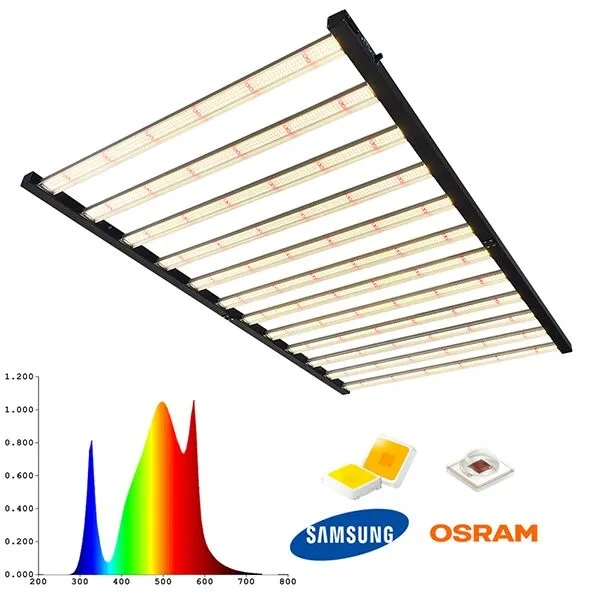
Escolha as ferramentas certas antes de plantar uma semente. Isso estabelece seu limite para bons resultados. As maneiras antigas costumavam significar mudar lâmpadas muitas vezes. Mas em 2026, a escolha habitual é LEDs de espectro completo. Eles copiam a luz solar real de perto. Os sistemas superiores deixam os cultivadores estabelecer cores exatas. Usa mais luz azul no início. Então adiciona luz vermelha quando a fruta cresce.
Calculando ROI: Consumo de energia e dissipação de calor
Luz forte não tem que significar altos custos de energia. No TIDESTAR, construímos nossas luzes vegetais com peças de qualidade para obter a maior luz por unidade de energia (μmol/J). Uma boa configuração significa que seu poder se transforma em partículas de luz. Não desperdiça calor extra por aí. Isso eleva o valor dinheiro de seu jardim dentro imediatamente.
Fase 1: Como estabelecer luzes crescentes para sementes de tomates e germinação?
Aumentar o Espectro Azul para prevenir os troncos de pernas
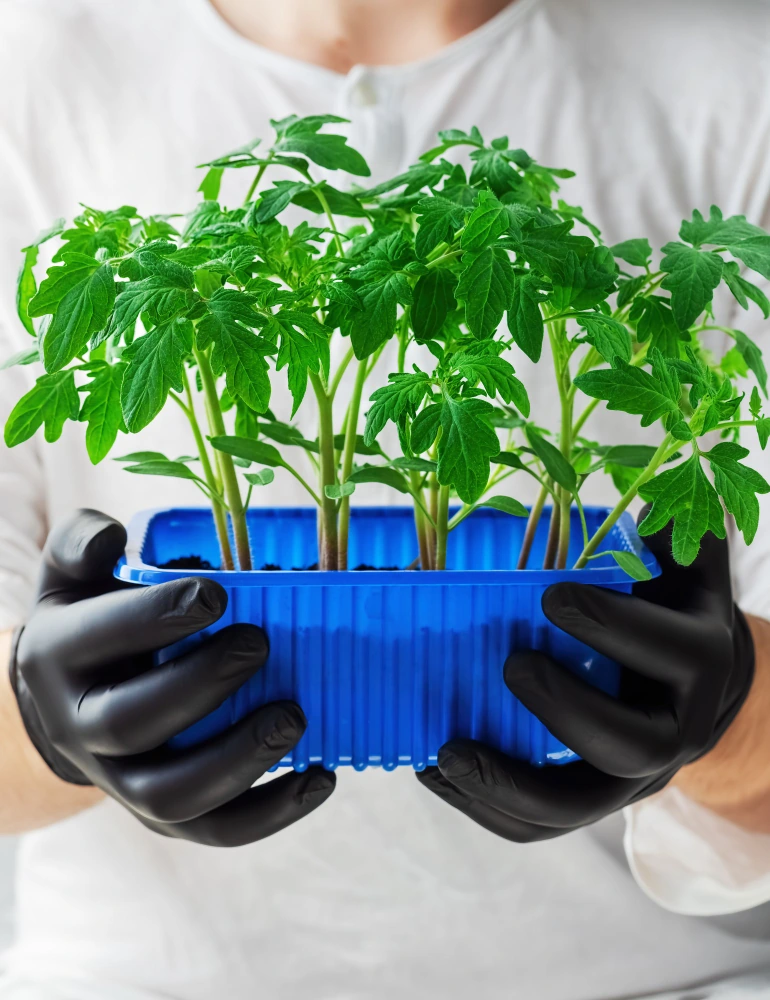
O principal problema com o início das sementes dentro é fraco e estendido de plantas jovens. Eles crescem altos com troncos finos para alcançar luz. Nesta primeira parte, usar a maioria da luz azul (400-500nm). Pare de ficar longo demais entre folhas. Isso mantém a planta curta e forte. Construi um espesso tronco principal que pode manter grandes grupos de frutas mais tarde.
Melhoras distâncias e intensidade de pendura para espalhamentos fragais
As plantas jovens precisam das cores corretas, mas forte calor e luz podem daná-las. Objetivam uma densidade fotosintética de fluxo de fóton (PPFD) de 200 a 300 μmol/m ²/s. Mantenham a luz numa altura segura, muitas vezes de 18 a 24 polegadas baseada em seu poder. Isso ajuda a jovem planta a crescer sem marcas de queimadura.
Fase 2: Quais são as regras de iluminação para a Fase Vegetativa?
Transição para o Espectro Completo para um Crescimento Robusto da Canopia
Quando as folhas reais aparecem e a planta começa a cultivar folhas, o objetivo muda. Agora, focar na rápida propagação de folhas e raízes. Switch to a wide-spectrum light. Ajuda mesmo, um crescimento forte. As folhas devem ficar grandes e aptas para trabalhar como captores de energia. Isto estabelece a planta para o trabalho duro de fazer frutas a seguir.
Planificações óptimas do Timer: 18 horas são sempre melhores?
As pessoas muitas vezes pensam que mais tempo de luz sempre significa plantas melhores. Mas isso não é verdade. Para muitas plantas internas, 18 horas em direção são comuns. Os tomates estão bem com 14 a 16 horas na parte de crescimento das folhas. Eles precisam de tempo escuro para respirar e mover comida para raízes crescentes.
Fase 3: Como ajustar o Espectro de Luz para a Fase Florente?
O papel crítico da luz vermelha na produção de flores
Quando a planta está pronta para fazer sementes, muda suas necessidades de luz. As ondas vermelhas profundas (cerca de 660 nm) começam o processo de flores. Raize the red light share. Isso faz crescer mais flores. Também impede a perda precoce de flores. Isso é chave para uma boa saída.
Prever o estresse de calor enquanto as plantas chegam à canopia
À medida que os troncos subem, a lacuna nas partes luminosas fica pequena rápido. O calor pode magoar novas flores facilmente. O bom controle de calor importa aqui. O TIDESTAR LED Grow Light Bar a série usa refrigeração inteligente sem fãs. Mesmo perto, as plantas ficam fortes. Elas evitam o calor ruim das velhas luzes.
Fase 4: Pode crescer luz melhorar a qualidade dos tomates durante a fase de fruta?
Manter a Intensidade Máxima de Luz (PPFD) para Frutas Máximas
Na parte das frutas, a planta usa mais energia. Para fazer frutos grandes, cheios e doces (níveis mais elevados de Brix), aumentar a força da luz. Um PPFD de 800 a 1000 μmol/m ²/s funciona bem. Isso aumenta a velocidade de produção de alimentos. Ele preenche tomates com açúcares e comida vegetal.
Gestão do Acabamento: Axustes de Luz para Riberar Mais Rápido
Você pode mudar a luz para acelerar a fruta’ é tempo maduro. Mude as cores um pouco ou corte horas de luz. Isso atua como no final do verão. Ela diz à planta para acabar com o crescimento das frutas. A fruta pesada também significa mais perda de água. Ligue seu plano de luz com TIDESTAR ferramentas de controle de estufa. Isso mantém o déficit de pressão de vapor (VPD) estable. Pare a moldura e dá uma cultura limpa.
FAQ
Q: Quantas horas por dia deveria estar usando luzes de cultivo para tomates?
A: Para sementes e o estágio vegetativo, 14 a 16 horas são geralmente ideales. Durante os estágios florescentes e frutíveis, você pode ajustar isso baseado na intensidade da sua configuração para alcançar o Integral Daily Light (DLI) requerido ao mesmo tempo que a planta recebe seu período escuro necessário para respiração.
Q: Qual é a melhor distância quando usamos luzes para cultivar sementes de tomate?
A: Para evitar os troncos de pernas sem queimar folhas delicadas, uma regra geral é manter as fixações a 18 a 24 polegadas de distância. Se você está usando uma fixação altamente eficiente e diminuível como nossos painéis quânticos TIDESTAR, você pode baixar a altura enquanto retorna a intensidade para economizar energia.
Q: Posso usar lâmpadas LED regulares em vez de usar luzes para cultivar tomates dentro?
A: LEDs domésticos regulares são projetados para visão humana, não fotosíntese. Eles carecem da intensidade específica da Radiação Ativa Fotosíntética (PAR) e espectros vermelho/azul alvo necessários. Sem iluminação horticultural adequada, suas plantas podem sobreviver mas raramente produzirão frutas de qualidade.
Q: O uso de luzes de cultivo para tomates consume muita eletricidade?
A: Depende inteiramente do seu equipamento. Enquanto os sistemas legais eram porcos de energia, a iluminação moderna é altamente eficiente. Ao investir em instalações com uma alta taxa de μmol/J, você converte muito mais eletricidade em luz útil em vez de calor desperdiçado, mantendo os custos de funcionamento a longo prazo completamente gerenciáveis.
Q: Qual o espectro de cores é mais importante quando usamos luzes para cultivar tomates para produzir frutas?
A: Enquanto uma luz equilibrada e de espectro completo sustenta a saúde geral das plantas, a luz vermelha profunda é o gatilho crucial para a fase reprodutiva. Aumentar os comprimentos de onda vermelhos incentiva especificamente o forte florescimento e apoia o desenvolvimento de frutos maiores e mais saudáveis.


