Tendências globais: Por que os contentores hidropônicos estão ganhando um momento em 2025
Impacto da COP30 e das Políticas Climáticas Internacionais na Agricultura Urbana
As cimeiras internacionais sobre o clima, particularmente as discussões previstas na COP30, estão cada vez mais priorizando a rápida decarbonização dos sistemas alimentares urbanos. Governos em todo o mundo estão transferindo subvenções para tecnologias agrícolas (AgTech) que podem demonstravelmente reduzir as pegadas de carbono, criando um ambiente regulatório favorável para uma agricultura interna de alta eficiência. Essa mudança de política está levando os cultivadores comerciais a adotar métodos que se alinham com metas neto-zero, passando além da simples produção de culturas para se tornar partes integrais da infraestrutura da cidade verde. Consequentemente, o foco mudou de simplesmente cultivar alimentos para cultivar com o menor input de energia possível.
Descarbonizar as cadeias de abastecimento e reduzir milhas de alimentos
Cortando “ milhas de comida tornou-se um plano principal para reduzir as emissões de carbono do transporte urbano. Isso forma uma grande parte da cidade s ão esforços verdes. Containers hidropônicos colocados em lugares urbanos removem a necessidade de longas viagens de caminhões. Então eles cortam o carbono relacionado ao movimento do trabalho habitual da fazenda. Ao se espalhar crescendo, as cidades podem reduzir muito o preço do carbono por folha comida. Isto muda a linha de abastecimento de uma pesada rede global para uma pequena configuração local. Esse foco local não pare de mover mercadorias. Ela adiciona diretamente à cidade s planos zero de carbono.
A neutralidade do carbono é alcançada na agricultura vertical de alta densidade?
O equilíbrio entre reduzidas emissões de transporte e consumo de energia
Contenedores hidropônicos cortam muito carbono de transporte. Mas eles lidam com a questão clara do uso de alta energia para configurações falsas. A queda de combustível para se mover conta como uma grande vitória. Mas a energia para o clima redondo e luzes fortes acrescenta uma carga de carbono fresca para lidar. O carbono real zero depende de onde vem essa energia. Mais chave, depende do quão bem o equipamento o usa. Se a fazenda seu próprio pulso de energia fica descontrolado, os ganhos de menos movimento podem desaparecer.
Estatísticas de Conservação da Agua e Eficiência de Utilização da Terra
Salvar água destaca-se como uma chave verde mais para o crescimento de recipientes. Muitas vezes atinge 90% das poupanças sobre formas antigas de campo. Os ciclos hidropônicos fechados asseguram que pouca água se desperdiça. Isso também corta a energia ligada à água da cidade, limpa e bomba de trabalho. Além disso, a pilha cresce significa que a terra é utilizada muito melhor. Isto impede a perda de árvores e mantém o armazenamento natural de carbono. Esses pontos são importantes para descobrir o efeito verde completo de uma fazenda de contentores.
Tecnologias chave que reduzem a impressão de carbono das explorações internas
O papel da LED de alto PPE cresce luzes na redução da energia
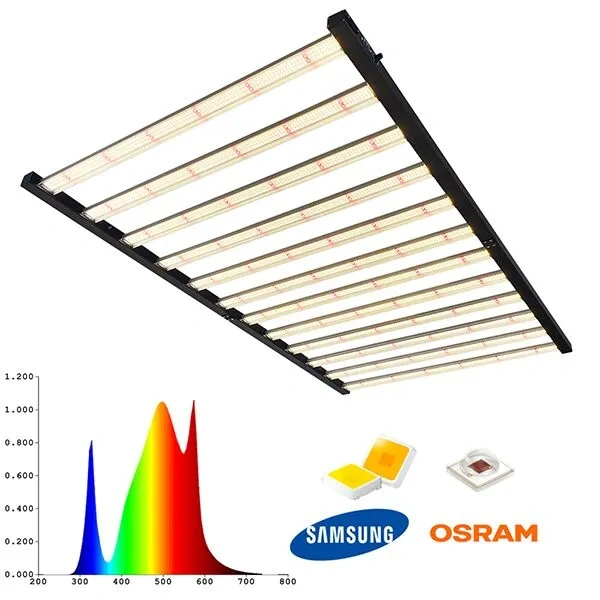
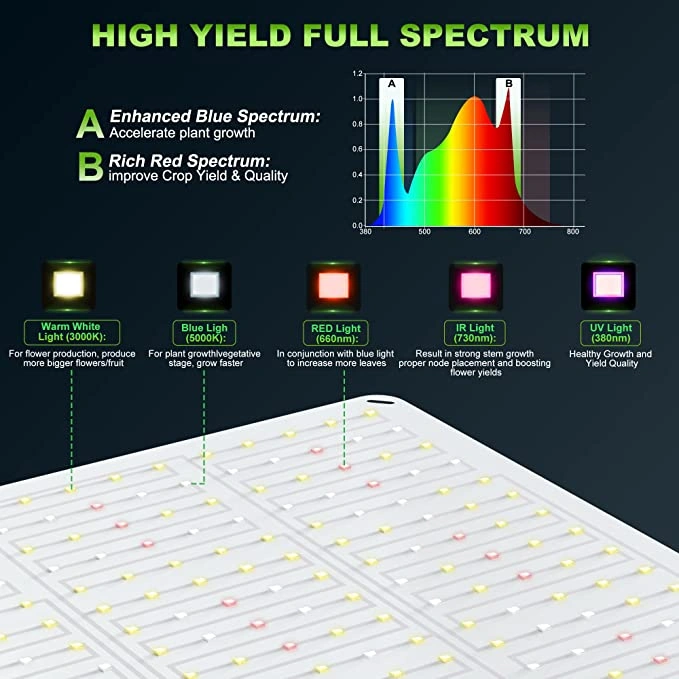
Aumentar a Fotón Eficiência Fotosíntética (PPE) em luzes de crescimento LED oferece a maneira mais direta de cortar energia em granjas altas. Ela mantém a produção das colheitas estable. Antes, luzes fracas bloquearam ganhos e objetivos verdes. Mas novos passos fixaram isso completamente. Por exemplo, nossa 1000W 1200W 1400W 4x6FT LED Grow Lights Samsung lm301B Full Spectrum Lamp usa chips de Samsung LM301B para eficácia de 3,1 μmol/J. Essa unidade dá melhor PAR do que itens semelhantes. Então os produtores de negócios produzem o máximo de produção enquanto mantêm o uso de energia e marcam baixo carbono. Os diodos fortes transformam mais energia em luz útil para o crescimento das plantas. Os cultivadores obtêm o mesmo peso da planta com muito menos energia.
Advanced HVAC Systems for Precise Climate and Humidity Control
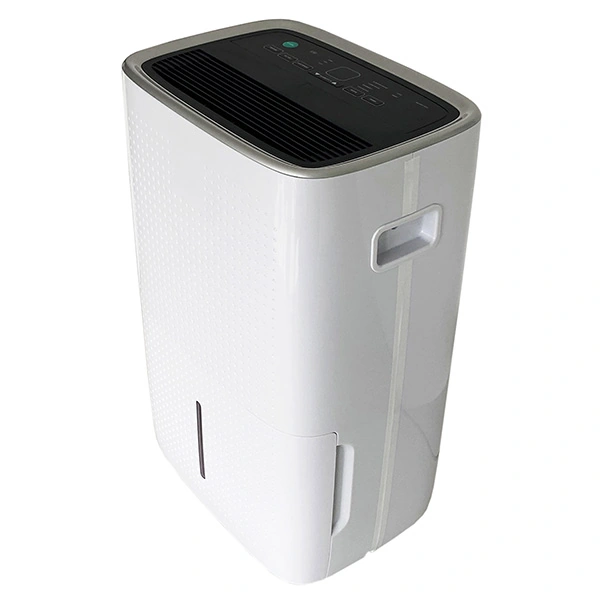
Sistemas de controle climático de precisão, como ar condicionado invertido e desumidificadores industriais, são essenciais para minimizar resíduos térmicos em recipientes selados. Em um ambiente de circuito fechado, as plantas transpiram fortemente, criando umidade que deve ser gerida para prevenir doenças e assegurar crescimento. Para lidar com isso, equipamentos como Commercial Portable 60L Day Intelligence Air Dehumidifiers For Home é projetado para remover poderosamente a umidade, melhorando a qualidade do ar interior enquanto funciona com alta eficiência energética. Ao usar esse equipamento especializado, os cultivadores podem evitar que a energia excessiva seja extraída típica de unidades padrão de ar condicionado que lutam para lidar com as cargas de umidade agrícola. Sistemas de ventilação e desumidificação de tamanho adequado asseguram que a energia só é utilizada quando absolutamente necessário.
Automatização e monitoramento ambiental inteligente
O clima automático guia as entradas finas ajustando os tempos de luz, CO2 e calor ao que a planta quer. Os sensores verificam os estados vivos. Então essas configurações impedem o desperdício de CO2 e energia. Eles dão o que a cultura pode levar. Nosso Controlador de CO2 de Estufa permite aos usuários executar fabricantes ou fãs em modos Humanos ou Plantas. Trata de mudanças exatas de configuração durante baixo ou alto CO2. Esse manejo inteligente acelera o ciclo de crescimento. Isso leva a escolhas mais rápidas e a menor energia por quilo de colheita.
TIDESTAR: Aumentar a eficiência dos sistemas hidropônicos comerciais
Soluções conduzidas pela pesquisa para a cultura profissional
Nosso caminho baseado em estudos assegura que cada ferramenta ajuda um local de crescimento verde e de produção de dinheiro. Em TIDESTARnosso coração tecnológico é a mistura de luz de teste de um longo estudo e muitos testes. Os LED fora da prateleira se pegam em bandas vermelhas e azuis finas. Mas a nossa tem cores mais completas. Ela visa objetivos claros como construção de folhas ou florescimento. Essa ciência exata corta a energia perdida em bandas de luz que as plantas saltam.
Suporte Comprensivo da Semente à Venda
Diferimos dando ajuda personalizada completa do design e construindo para ajuda pós-venda. Trabalhamos para criar laços duradouros. De fato, 8 das 10 melhores empresas agrícolas do mundo usam o TIDESTAR. Nossos compradores obtêm especialistas ligeiros - ajuda de começo a fim. Isso sintoniza todas as partes para saída e adaptação verde. De adicionar uma marca para definir especificações através da OEM/ODM, nós concordamos com o arranjo com o produtor de negócios’ as necessidades.
FAQ
Como escolho o LED mais eficiente em energia para crescer luz?
A: Ao selecionar a iluminação, procure a classificação Fotosíntese Eficiência (PPE), medida em μmol/J. Um número maior indica melhor eficiência. Por exemplo, as instalações TIDESTAR oferecem até 3,1 μmol/J, o que fornece uma produção de luz superior para cada watt de eletricidade consumida, reduzindo significativamente os custos operacionais a longo prazo.
Qual marca oferece o melhor apoio para projetos hidropônicos comerciais?
A: É crucial escolher um fabricante que oferece mais do que apenas hardware; procure um que proporcione “ sementes para venda” - apoio. TIDESTAR é uma escolha preferida para grandes empresas agrícolas porque oferecemos acesso a fotobiologistas e serviços de design personalizados para assegurar que seu sistema está perfeitamente adaptado aos seus requisitos específicos de cultura.
Como o controle da umidade afeta a eficiência energética da minha fazenda?
A: Alta umidade força os sistemas de refrigeração a trabalhar mais fortemente, aumentando o consumo de energia. Usando um desumidificador dedicado e de alta eficiência, como o TIDESTAR TD-D60, permite que seu ar condicionado se concentre no controle da temperatura, tornando todo o sistema HVAC mais eficiente e prolongando a vida de seu equipamento.
Qual é a vantagem de usar um controlador de CO2 dedicado?
A: Um controlador dedicado assegura que o CO2 só é enriquecido quando as plantas podem usá-lo, prevenindo resíduos. TIDESTAR oferece controladores avançados de CO2 com efeito estufa que monitoram temperatura, umidade e níveis de CO2, permitindo ajustes ambientais precisos que aceleram o crescimento e maximizam o valor de suas entradas energéticas.
Posso obter uma solução de iluminação personalizada para uma disposição única de recipientes?
A: Sim, muitas soluções fora da plataforma podem não encaixar perfeitamente na geometria específica de um recipiente de transporte. TIDESTAR fornece serviços OEM/ODM para personalizar logos de marca e especificações de produto, assegurando que o sistema de iluminação oferece cobertura e uniformidade óptimas para seu design específico de instalação.