What is an Inline Duct Fan and Why is it Essential?
Defining the Mechanics of High-Efficiency Inline Ventilation
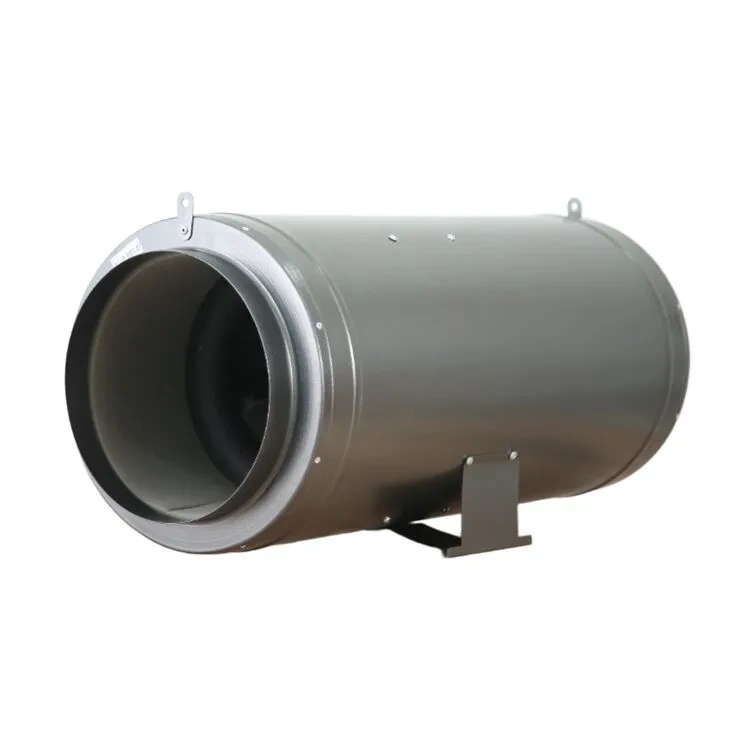
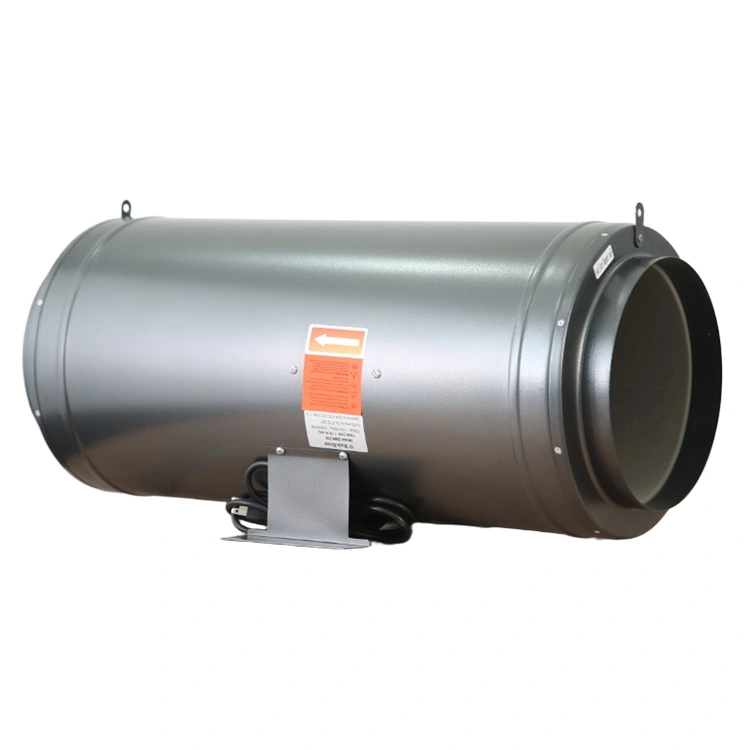
An inline duct fan is a strong device built to fit inside duct lines. It helps push out or pull in air. These differ from basic fans. They manage the pressure needed to shift air over long paths or tough business and factory setups.
How an Inline Fan Differs from Standard Residential Exhaust Fans
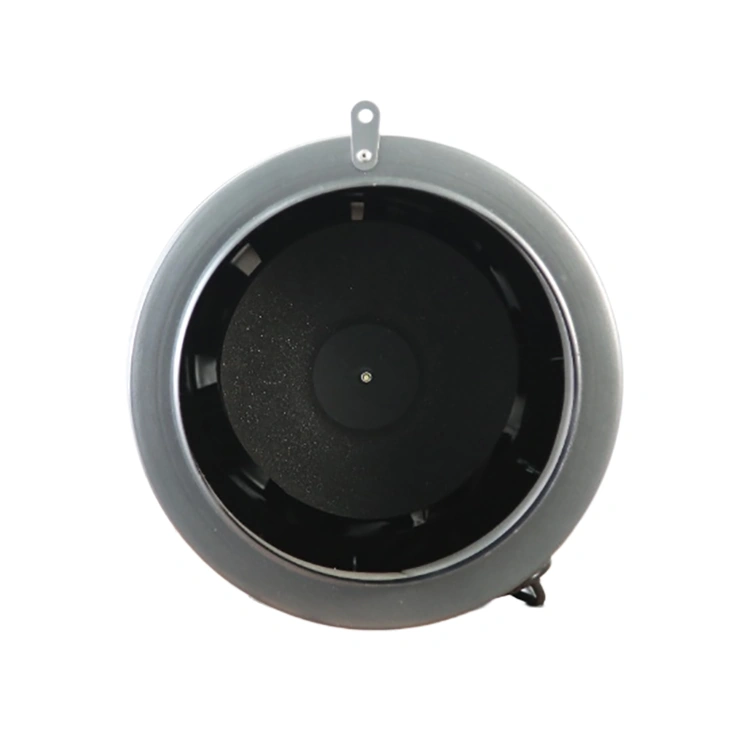
Standard residential fans are often limited to simple wall or ceiling mounts and struggle with air resistance. Inline fans, however, are integrated between duct sections, allowing for a more powerful and streamlined airflow. This “inline” positioning enables the motor to be placed in a remote area like an attic or basement, which significantly reduces the noise level in the living or working space while maintaining superior air circulation.
Why Proper Ventilation is Crucial for Your Space’s Air Quality and Longevity
Why Air Exchange Matters More Than Airflow in Your Duct System
Just moving air in a room does not cut it. Real ventilation needs a good air swap. This means clearing out old, dirty, or wet air fully. Then, you bring in new outside air. Strong systems aim for steady swaps. They keep spaces clear of dirt and set for ease.
Protecting Your Infrastructure from Moisture and Pollutants
Poor air swap builds up dampness. This sparks mold and wear in baths, kitchens, and work spots. Our ventilation gear stops moisture from sticking. It also pulls out bad stuff like weld smoke, chemical smells, and lasting scents.
How to Choose the Right Inline Duct Fan for Your Needs?
The Mathematics of Airflow: Calculating Your Required CFM
Picking the right fan means figuring out the Cubic Feet per Minute (CFM) for your room size. Busy work areas often need a rate that clears the full space in just a few minutes.
Evaluating Motor Efficiency: Standard AC vs. Professional-Grade EC Technologies
The motor sets how long the system lasts. We suggest the 6inch 8inch 10inch 12inch Super Silent EC Mixed Flow Inline Duct Fan. It runs on multi-phase EC (Electronically Commutated) motors. These use far less power than basic AC types. They have Japanese NMB double ball bearings, too. This gives a steady run time up to 50,000 hours.
Sizing Your Ductwork: Balancing Diameter with Velocity
The right duct size keeps noise down and speed even. Common sizes come in 4, 5, 6, 8, 10, and 12-inch widths for different setups. The wrong size raises an air fight. Then, the motor strains more. Noise grows, and overall work drops.
Pre-Installation: Tools, Safety, and Positioning
Essential Inventory for a Professional-Grade Setup
A solid setup needs the fan, bendy ducts, and firm links. For top work, we pick our TIDESTAR Aluminum PVC Combined Flexible Air Ducting. It builds for strong pull and no drip traits.
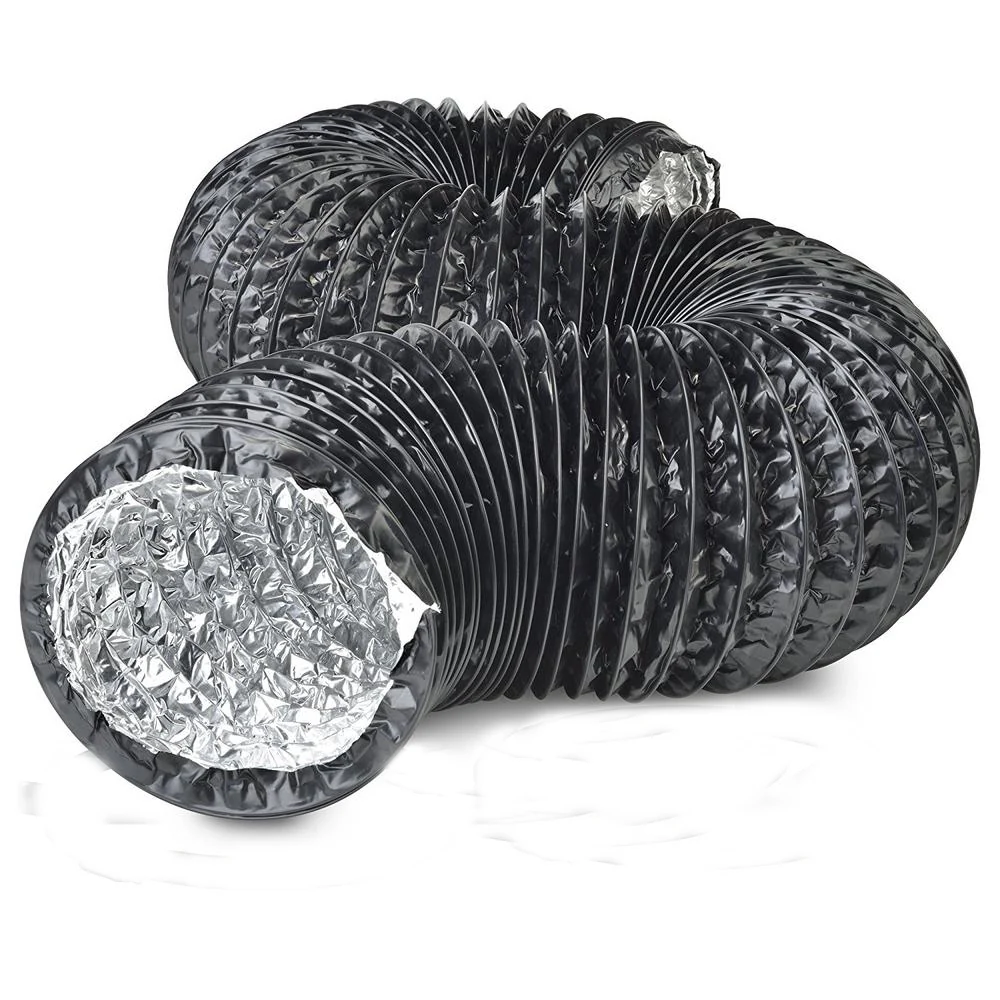
Determining the Ideal Location: Intake vs. Exhaust Placement
For best pull, place the inline duct fan near the out vent. This draws air along the duct path. Make sure the spot allows easy cleaning.
Safety Protocols: Working with Electrical Loads and High-Velocity Air
Cut the power before starting work. Our fans, like IP65-rated EC ones, take dust and fine wet. But all wire work must stick to safety rules.
Step-by-Step Guide: Installing Your Inline Duct Fan Correctly
Phase 1: Mounting and Securing the Fan for Stability
Utilizing Hanging Straps and Vibration Damping Mounts
Fix the fan to a firm beam or brace. To stop shakes from hitting the build, add hanging straps or rubber pads. They split the unit from the roof or the wall.
Integrating Fast Clamps for Efficient System Connectivity
For quick links, we use Extractor Fan Ducting Filter Padded Fast Clamps. These rings join fans and screens tightly with one bolt. The steel strip has thick foam inside. It stops air gaps and softens noise from work.
Phase 2: Connecting the Ductwork for Zero Leakage
Managing Bends and Angles to Minimize Air Resistance
Keep duct paths straight to cut pressure loss. Each sharp 90-degree turn drops CFM a lot. So, use slow curves where you can.
Sealing Joints with Professional-Grade Foil Tape
Seal all joins with strong aluminum foil tape for a full, no-leak setup. The thick 3.6 mil HVAC tape fights water and fire. It holds temperatures from -22°F to 250°F. This keeps seals firm long-term.
Phase 3: Final Integration and Air-Tightness Testing
Powering Up and Verifying Initial Airflow Velocity
Once set, hook the power back. Our EC fans work with speed dials. You can check the air speed from 0% to 100%.
Inspecting Seals and Connections Under Operational Pressure
Look at all the joins for hisses or gaps at full speed. A tight setup moves air right to the outlet. It saves power, too.
How to Optimize Your System for Maximum Efficiency?
Mastering Sound Attenuation: Reducing Operational Noise
In quiet spots, pick fans with plastic cases and foam that soaks sound. These, plus exact blade shapes, make a calm space.
Implementing Smart Controls: Automating Temperature and Humidity
Auto ventilation cuts power use and holds steady air. Smart dials change fan speed by live heat and wet readings. This tunes the space just right.
Advanced Odor and Particle Filtration Techniques
For chem or smell clear, match the fan with our strong carbon screens. We use fine Australian RC412 carbon. It has a 1050+ IAV rate for up to 2 years of work.
Maintenance and Longevity: Ensuring Your System Lasts
Developing a Routine Inspection Checklist
Check the system every six months. Look for dust on blades. Make sure clamps stay snug.
Cleaning Protocols for Impellers and Filtration Units
Wipe blades once a year to avoid motor wobble. For carbon screens, swap the front filter every six months. This keeps the air flow strong.
Troubleshooting: Why Is Your System Underperforming?
Identifying Common Pressure Drops and Airflow Obstructions
Look for droopy bendy ducts. They hold air and junk. A straight, tight duct path keeps full power.
Addressing Electrical Inconsistencies and Motor Overheating
If the motor quits, the heat guard might kick in. This happens from blocks or temps over 60°C.
FAQ
Q: Where is the best place to install an inline duct fan?
A: For top pull, put the fan near the out vent. It draws air through the duct line. A far spot, like a ceiling gap or attic, cuts noise for people inside.
Q: How do I calculate if an inline duct fan is powerful enough?
A: Find your room size (Length x Width x Height). Pick a fan whose CFM clears it in 3 to 5 minutes. Add for duct length and screens. You may need a strong-pressure one like our EC Mixed Flow line.
Q: Can an inline duct fan remove heavy odors and chemicals?
A: Yes, with an activated carbon filter. Our TIDESTAR ones use high-IAV Australian carbon. It grabs smells and chems before air leaves.
Q: Are inline duct fans too loud for a home office?
A: No, if set right. EC motors, sound foam, and TIDESTAR Padded Fast Clamps keep noise at 34dBA. That’s less than normal talk.
Q: Do I need a professional to install an inline duct fan?
A: Most of our setups fit DIY “plug and play” with simple link parts. But get a licensed electrician if changing fixed built-in wires.