Net Pots Explained: The Structural Foundation of 2026 Hydroponics
Good business growth in 2026 depends on improving the root area. The type of pot you pick sets how well plants take in nutrients and stay steady. If you are moving to modern indoor farming, you need to know how your tools work. This knowledge helps for lasting results and learning key growing methods. Lights get a lot of focus. However, the built strength and slot pattern of the net pot quietly push high-output dirt-free setups.
The Core Function of a Net Pot in Soilless Growing
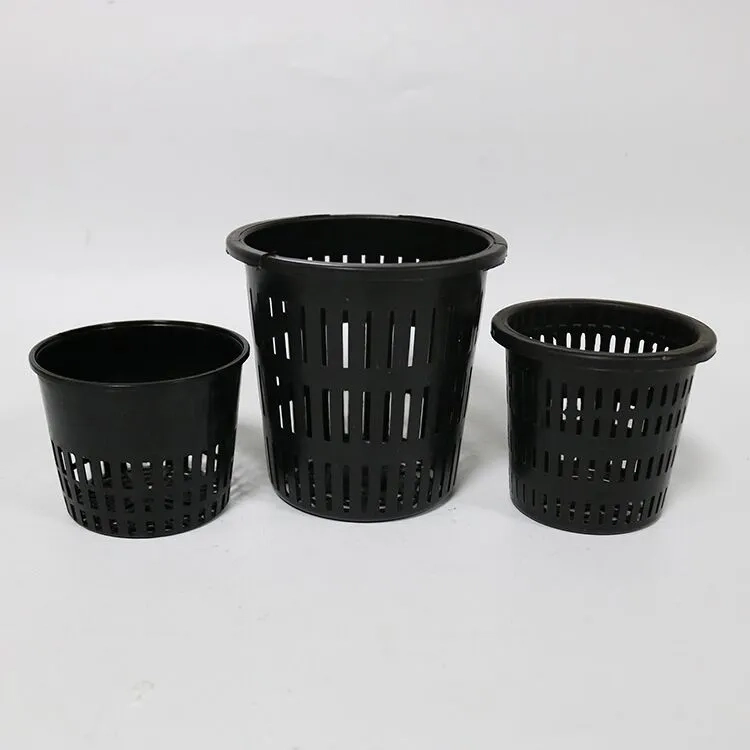
A net pot is a specialized, webbed container designed specifically to provide the primary structural support for indoor plants in hydroponic and aquaponic environments. Unlike traditional solid nursery pots that trap soil and moisture, these mesh-like baskets securely hold the growing medium—such as clay pebbles or rockwool—while allowing the nutrient solution to flow freely through the root zone. This open-grid architecture ensures that the plant remains anchored even as it develops a heavy upper canopy, facilitating a stable transition from seedling to harvest.
Net Pots vs Solid Containers: Engineering Fluid Dynamics
Open-slot net pots are built for regular watering in dirt-free farming. They do better than old, solid pots that hold back growth. Roots hit the hard side of a basic pot and start to loop around. This root-binding hurts the plant. In contrast, the open style of a net pot leads to air trimming. Roots grow straight into the nutrient air or tank. As a result, they form larger, tougher root networks. This process also quickens the leaf-growth period.
How Optimized Aeration Patterns Prevent Root Rot
Top net pots cut down on low-oxygen bacteria by stopping water from sitting at the root base. Roots need steady water and an air supply to do well. The wide open weave in a good pot allows full air flow. It removes still spots. Therefore, these pots keep the root area clean. They stop root rot (Pythium) well. Plus, they support strong leaf growth that brings business gains.
Net Pots Size Guide: Matching Dimensions to Specific Crop Types
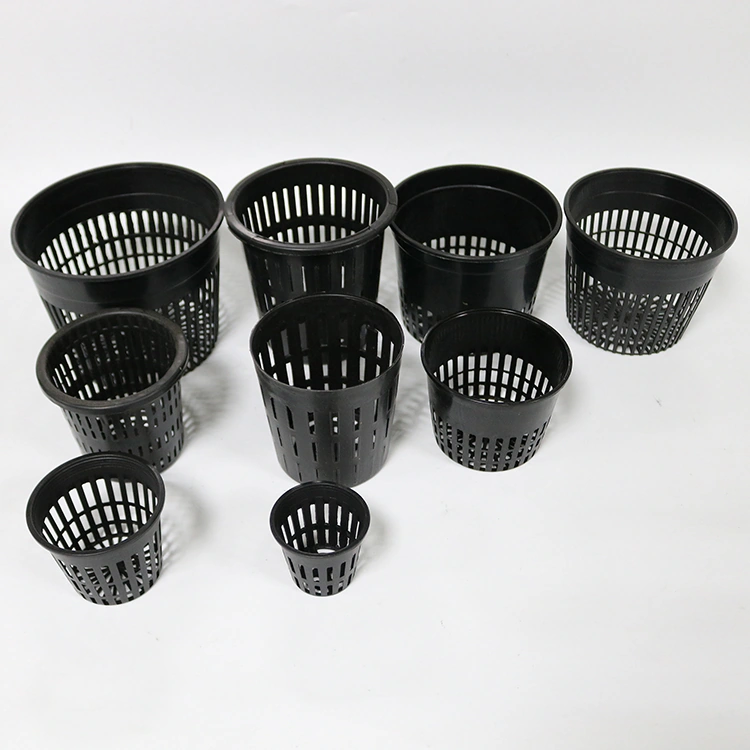
2-Inch Net Pots The Industry Standard for NFT Systems and Leafy Greens
Small 2-inch net pots are the main choice for growing plants with short roots in Nutrient Film Technique (NFT) lines. Their small size helps greenhouse workers fit more plants. This works for quick crops like lettuce and spinach. The inside space is limited. So, growers use fewer clay pebbles or rockwool fillers. That cuts costs for each growth round.
3 to 4-Inch Net Pots Ideal Anchors for Herbs and Medium Plants
Medium net pots from three to four inches give the right hold for plants with average tops like basil, mint, and orchids. These herbs grow thick stems and wide leaves. They need more filler base to stay balanced. This size matches the amount of filler with the space used in business flood trays well.
5-Inch and Larger Net Pots Supporting Heavy Tomatoes in DWC Setups
Big hydroponic net pots are needed to steady heavy fruit plants in Deep Water Culture (DWC) systems. Growing large items like tomatoes and peppers requires a strong pot. It must hold a wide root setup and lots of filler. Without these big pots, the weight of full fruit tops could break the stem. Or it could tip the plant into the water tank.
The Hidden Cost of Flimsy Net Pots in Scaling Farm Operations
Root Rot Risks: How Poor Net Pot Slit Design Ruins Crop Yields
Bad slot cuts on cheap net pots block water flow. This makes a spot for root sickness. When managers buy low-cost plastics to save money, they get pots with tiny, badly shaped holes. These hold still water. Such a flaw stops air flow. It leads to big crop damage. That loss is much more than the first savings on pots.
Heavy-Duty Net Pots vs Cheap Plastics: The Shift in Commercial Farming
Reusable, heavy-duty net pots are rapidly replacing cheap, single-use plastics as commercial farms prioritize long-term sustainability in 2026. Fragile cups degrade quickly under intense LED lighting and aggressive chemical sterilization, breaking apart and leaving hazardous microplastics in the filtration systems. Upgrading to thicker, impact-resistant materials eliminates these constant replacement cycles, significantly lowering maintenance downtime and labor costs.
Wide Lip Net Pots and PP Material System Stability Analyzed
Why Wide Edge Net Pots Prevent Crop Collapse in High-Flow Aquaponics
Net pots with a wide edge boost the hold area on the setup. This stops grown plants from slipping through holes. In fast-water aquaponics or strong-mist systems, water speed and plant load push on the pot’s top. A clear, firm edge locks the pot to the PVC tube or float. It keeps the build solid through all growth steps.
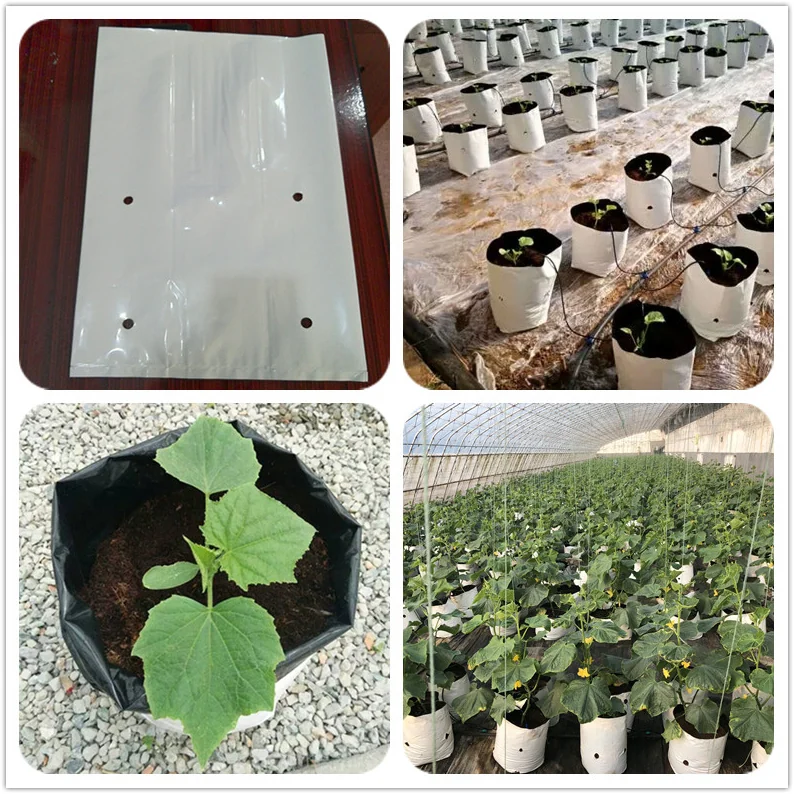
Sourcing TIDESTAR Net Pots for Sustainable Farm ROI and Easy De-Potting
Buying top net pots affects farm returns right away. That is why we at TIDESTAR make our pots from strong, reusable polypropylene (PP) plastic. We started in 2008 in Yongkang City, Zhejiang Province. Our firm aims to give good tools for internal growth. The PP we pick gives great strength. So, the pots handle many rough cleanings after harvest without bending or splitting.
Our key items, like the Black Mini Round Cups Net Pot, have a special wide edge. This makes it simple to pick up and move plants in fast harvest or removal tasks. We also offer the Mini Black Plastic Square Flower Pot. It serves as a strong, repeat-use grower pot with enough drain holes to stop dirt bugs. Adding these solid plastic tools to your farm means better roots and steady business gains.
FAQ Frequently Asked Questions about Net Pots
Q: How to choose the right size net pots for a new hydroponic setup?
A: Selecting the correct size net pots depends entirely on your crop’s mature root mass and canopy weight. For leafy greens and lettuce in NFT systems, 2-inch baskets are optimal; for herbs, 3 to 4-inch baskets offer better support; and for heavy fruiting plants like tomatoes, always opt for 5-inch or larger containers to ensure stability.
Q: Which brand of hydroponic net pots is recommended for commercial growers in 2026?
A: For business work that needs lasting pots, TIDESTAR is a top pick. We make solid PP plastic pots with a wide edge. They handle repeat cleaning and hard daily use. This brings good value back.
Q: Heavy-duty net pots vs standard net cups, which is the better investment?
A: Heavy-duty net pots are unequivocally the better long-term investment. While standard thin cups are cheaper initially, they become brittle, crack easily, and require constant replacing, whereas heavy-duty options survive years of rigorous farming cycles.
Q: What are the top companies supplying durable net pots globally?
A: Several established agricultural suppliers lead the market, but TIDESTAR stands out for its decade of experience since 2008, delivering premium, impact-resistant mesh baskets to over 50 countries with comprehensive customer support.
Q: How do wide lip net pots compare to narrow edge designs?
A: Wide lip net pots are vastly superior because they offer a larger surface area to rest securely on pipes or reservoir lids, preventing heavy plants from falling in. Additionally, they are much easier for farmworkers to lift and transport during the depotting phase.