Managing the climate within a garage requires a specialized approach that goes beyond standard home ventilation methods. For many businesses and homeowners, the garage has evolved from a simple parking space into a critical storage hub for tools, inventory, and vehicles, yet it remains the most vulnerable area for moisture intrusion. High humidity levels in these semi-outdoor spaces can lead to rapid deterioration of valuable assets, making a dedicated garage dehumidifier an essential component of modern property maintenance.
The Hidden Dangers of Uncontrolled Garage Humidity
Too much water in a garage spot makes a place where building harm and item value drop happen. This often stays hidden until it’s past fixing. Unlike rooms with steady weather, garages face quick heat changes often. These cause water drops to build on cool spots like cement floors, metal tools, and walls without cover. This unseen water coat starts rust, wood decay, and the spread of allergy causes. In turn, that hurts the air cleanliness of the whole place.
Why Standard Ventilation Fails to Stop Moisture Buildup
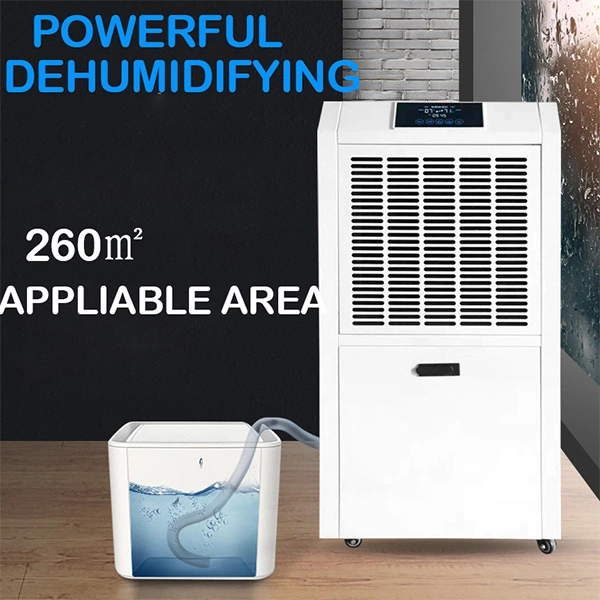
Counting only on simple air flow or open windows seldom works well. It brings in changing outside air to the garage. When warm, wet air goes into a cooler garage, the heat falls, making the air drop its hold on water steam. This leads to quick water drops on gear and stock. For big, airy spaces, work-level fixes like the Industrial 138L Air Dehumidifier Large Capacity are often needed. They give the large air movement to dry the area on purpose, not just shift wet air about.
How Excess Moisture Damages Tools, Vehicles, and Inventory
High dampness hits metal parts and open storage stuff hard in shops and stock rooms. Rust starts on costly machines, old cars, and metal racks when the air humidity goes over 50%. Meanwhile, paper boxes and papers take in water and grow mold bits that wreck stock. Using a strong dry plan with big units, like the TD-D60, pulls out up to 60 liters of water each day. It gives a money shield against quiet harm to goods.
Essential Features for the Best Garage Dehumidifier
Picking the right gear for these tough spots means seeking clear traits that set a garage-fit unit apart from a usual home tool. A garage dehumidifier needs to be built to face rougher spots, like dirt, heat highs and lows, and bigger air amounts. Buyers should focus on strength and special jobs over looks to get steady work in unheated or partly heated areas.
Importance of Low-Temperature Operation and Auto Defrost
A critical limitation of standard dehumidifiers is their inability to function effectively when ambient temperatures drop, often resulting in the internal coils freezing over. The most effective units, such as the TD-D50, feature advanced low-temperature operation systems with automatic defrost capabilities; the compressor stops when the coil temperature drops to ≤-5℃ while the fan continues to run to melt frost, automatically restarting once the temperature reaches ≥2℃. This specific engineering allows these units to operate continuously during colder months without damaging the machine or losing efficiency.
Benefits of Continuous Drainage Options for Long-Term Use
Business and tough-use needs call for a fix that cuts hand care and keeps a steady run. Big dehumidifiers pull out much more water than a normal tank holds. So a steady drain choice is key for garage spots where daily pour-out is not easy. Be it the TD-D138 for big work needs or smaller moveable units, linking a drain tube lets the setup run on its own. This is key for keeping even dampness in store spots or empty homes.
How Smart Garage Dehumidifiers Are Revolutionizing Efficiency
Adding smart tech to weather tools is changing how folks handle dampness in far or separate spots. New garage dehumidifiers are not just still boxes anymore. They are clever tools that give exact handling and live info. This move to links lets for ahead-of-time care of setting states. Thus, water problems get fixed before they turn into big issues.
Real-Time Monitoring via WiFi and App Connectivity
Smart garage dehumidifiers with WiFi let users check dampness and tweak setups from afar via a phone app. This is very useful for units like the 16L/20L Home Air Dehumidifier with WiFi. Homeowners can watch damp trends and switch ways without going to the garage. Demand grows for such links. They give quick warnings and handling, bringing calm, so that key items stay safe even far off.
Optimizing Energy Consumption with Intelligent Humidity Sensors
Advanced dehumidifiers utilize built-in humidistats to regulate operation based on the actual needs of the environment rather than running on a continuous, energy-wasting cycle. These intelligent sensors constantly detect the room’s moisture levels and automatically shut off the compressor once the target humidity is reached, restarting only when levels rise again. Furthermore, the use of eco-friendly refrigerants like R290, found in our TD-D50 and TD-D60 models, ensures that this efficiency does not come at an environmental cost.
TIDESTAR Dehumidification Solutions: Engineered for Demanding Environments
At TIDESTAR, we get that good weather handling in hard spots needs gear that mixes work strength with new smart tech. Our goal is to push ahead in setting care fields to boost output and cater to hobbyists and business owners. With over ten years of experience, we bring fixes that hold up to the strict needs of garage and shop users.
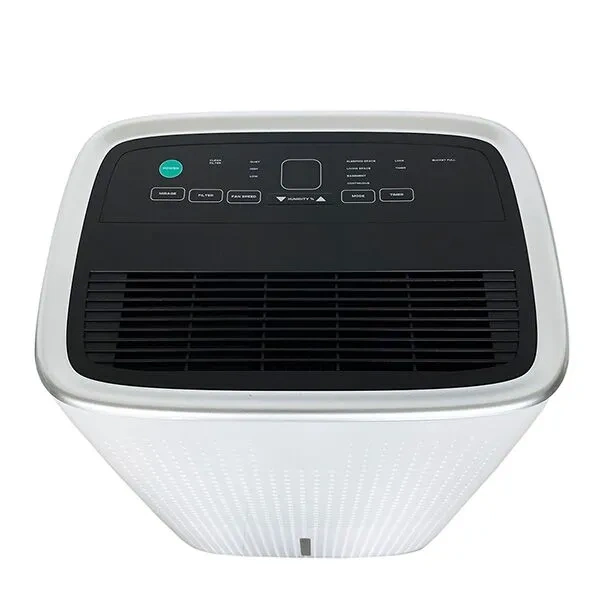
Robust Performance with Advanced Climate Control Technology
Our gear line is built to tackle special issues of garages and work spots. It covers home needs to tough business uses. We make sure each unit, from small smart ones to big work systems, meets top-quality rules. We use forward tech and tight checks. This focus brings items that are strong, tough, and long-lasting. They stretch item life in the hardest spots.
Why Leading Distributors Choose TIDESTAR for OEM/ODM Partnerships
We stand out as a top-making partner by giving full one-stop custom help, from first design to end build. Since starting in 2008, we have made a world sales net. We send quality items to over 50 countries. Our quality drive is held by strict papers, like CE, RoHS, and ETL. This means our OEM/ODM partners get items that hit the top world rules for safety and output.
FAQ
Q: What size dehumidifier do I need for a 2-car garage?
A: For a usual 2-car garage, a unit that pulls at least 50 pints (about 24-30L) of water daily is often suggested to handle fair dampness well. But if the spot lacks cover or sits in a very wet area, switch to a bigger business size like 50L or 60L. This speeds water pull and cuts power use by shortening compressor time.
Q: Will a garage dehumidifier work in winter temperatures?
A: Usual dehumidifiers often ice below 60°F (15°C). But special garage ones have auto-melt setups to manage cool spots. Look for units made for low-heat work. They spot coil ice and auto cycle to clear it. This lets them work well in heats as low as 41°F (5°C).
Q: How much does it cost to run a dehumidifier in a garage?
A: The operating cost depends on the unit’s wattage and local electricity rates, but using a unit with a built-in humidistat and timer can significantly lower expenses. By setting a specific target humidity (e.g., 50%), the machine only runs when necessary rather than continuously, and energy-efficient models using modern refrigerants like R290 further help in keeping daily operational costs down.
Q: What is the best placement for a dehumidifier in a garage?
A: To maximize airflow and efficiency, place the dehumidifier centrally in the garage or at least 6-12 inches away from walls and large objects to ensure unrestricted air intake and exhaust. Ensure the air grills are not blocked by boxes or vehicles, and if using continuous drainage, position the unit near a floor drain or elevate it slightly to allow gravity to feed the water into a sink or external outlet.
Q: What is the difference between residential and commercial dehumidifiers?
A: Home models fit quiet, small spots like sleep rooms and living areas. They stress looks and lower daily water pull. Business or work dehumidifiers have strong shells, bigger compressors for higher water rates (often over 50L/day), and solid inside parts. These stand up to dirt, lower temperatures, and steady use in garage spots.