The Intersection of AI and the Modern Hydroponic Set in Agriculture
How Artificial Intelligence Optimizes Hydroponic Set Performance
Artificial intelligence (AI) is changing the basic functions of a modern hydroponic set. It turns fixed growing spaces into active, adjusting systems. AI looks at large data sets from sensors. These track pH levels, nutrient strength, and moisture in the air. As a result, AI tools can forecast what plants require with great detail. They do this before any clear signs show up. This link lets for exact changes right away. So, the hydroponic set runs at top output without steady human help. The mix of learning machines and farm tools brings exact growing practices. It cuts down errors a lot in business planning.

Addressing Global Food Security Challenges with Smart Hydroponic Sets
Deploying a smart hydroponic set offers a viable technological solution to the pressing challenges of global food security by decoupling crop production from arable land availability and volatile weather patterns. As the global population grows, the demand for efficient food and medicine production methods has never been higher, necessitating systems that can maximize output in resource-constrained environments. Advanced hydroponic configurations utilize significantly less water than traditional farming, and when paired with intelligent management systems, they ensure stable supply chains regardless of external climate shocks. This technological evolution moves beyond simple gardening; it represents a strategic infrastructure capability for ensuring consistent agricultural yields in the face of environmental uncertainty.
Key Components of a High-Efficiency Commercial Hydroponic Set
Integrating Full-Spectrum LED Grow Lights into Your Hydroponic Set
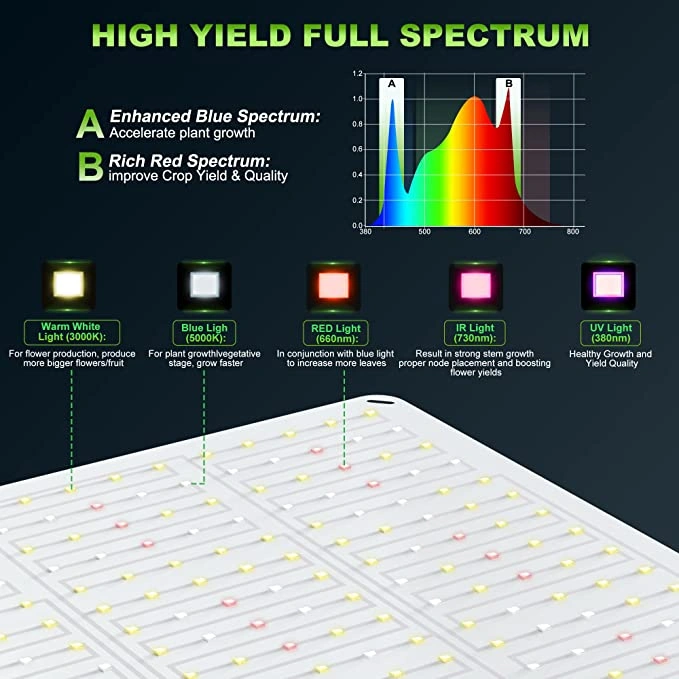
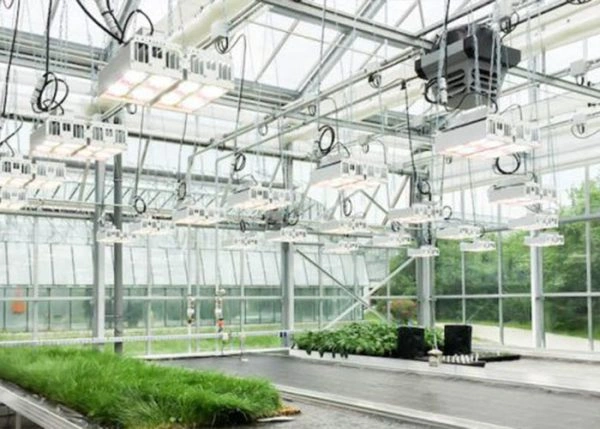
The success of any business hydroponic set rests much on the type and range of the light source. Light drives plant shape and makeup mainly. Basic lights might give only tight red and blue bands. But strong systems use a study-backed light range. This aims at clear growth aims, like leaf building or blooming. A full light range hits all the seen colors. It reaches into UV-A and far-red waves too. Thus, plants use light better. This leads to tougher, fitter crops. This life-tuned lighting powers the whole system. It shapes plant mass and taste growth directly.
The Role of Automated Climate Control and Ventilation in Hydroponic Sets
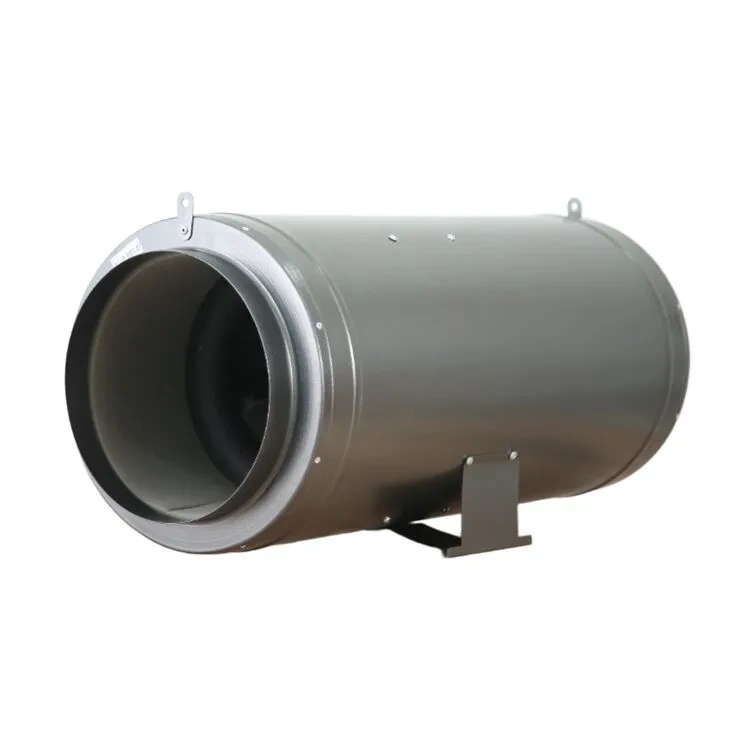
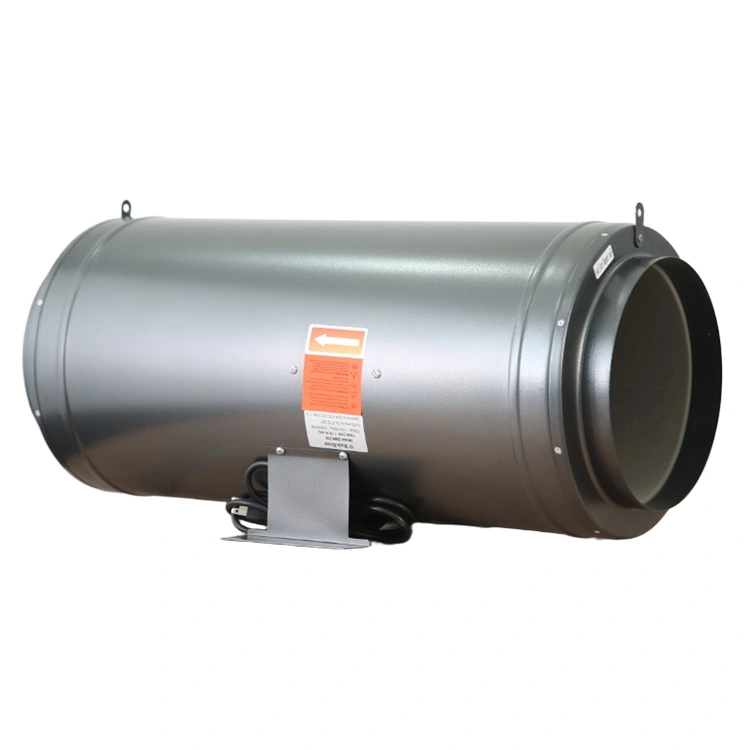
Maintaining a stable microclimate within a hydroponic set requires robust environmental control systems to regulate temperature, humidity, and air quality for optimal plant health. Dehumidifiers play a critical role in preventing mold growth and dust mites that thrive in moist conditions, thereby improving indoor air quality and creating a safer environment for crop production. Furthermore, an effective ventilation system is essential for reducing the buildup of indoor pollutants and ensuring uniform air distribution, which helps prevent stagnant pockets where pathogens could flourish. Without these integrated climate control mechanisms, even the most advanced lighting and nutrient delivery systems cannot prevent crop loss due to environmental stress.
Why Commercial Growers Are Switching to AI-Driven Hydroponic Sets
Maximizing Yields and Reducing Resource Waste with Smart Sets
Business farms are turning more to the AI-driven hydroponic set. It brings better output and power savings over old ways that just push power or brightness units. Growers use new tech to gain big jumps in crop amount and grade. At the same time, it opens new plant growing uses that were hard before. The main plus is in smart energy use. For example, new LED units have good heat handling and strong output. This means lower running costs over the unit’s full run. This change stresses accuracy. It gives plants just what they need, right when needed. So, it cuts waste and boosts plant limits.
Scalability: Moving from Pilot Projects to Industrial Hydroponic Sets
A modular hydroponic set design allows businesses to scale seamlessly from small research chambers to large-scale vertical farms without overhauling their entire infrastructure. Major agricultural entities rely on scalable expertise to breed plants that will feed the planet, requiring equipment that performs consistently across different production phases, from seedlings to marketable plants. The ability to standardize equipment—such as lighting and environmental controls—across hundreds of installations in multiple countries ensures that successful pilot results can be replicated globally. This scalability is crucial for meeting the demands of large commercial growers who require reliability and uniformity in their supply chain.
TIDESTAR Solutions: Powering Your Smart Hydroponic Set Infrastructure
Research-Driven LED Lighting Solutions for Custom Hydroponic Sets
At TIDESTAR, we focus on study-led making to push light biology. This helps boost output for the rising world crowd. Our RX-series and other LED grow lights act as strong, adjustable swaps for HID lights. They have solid all-aluminum frames and heat-resistant glass tops for long use in tough spots. We see that each growing job differs. So, we give tailored help from design to build. This makes sure our lights hit exact life aims. Our 1000W 4x6ft LED Grow Lights use Samsung LM301B chips. They give even PPFD and top PAR flow. This shows our drive for quality, fresh fixes.
Comprehensive Environmental Control Equipment for Reliable Hydroponic Sets
We do more than lights. TIDESTAR brings a full line of key setting control gear to round out your hydroponic set. Our stock has work-level dehumidifiers like the TD-D50. It pulls out dampness well to keep inside air dry and nice. There are also movable coolers that set the temperature and air cleanness. For right air movement, our Mixed Flow Inline Duct Fans use EC motors. They run well with low sound, fit for business, and growing fields. By adding our trusty power parts and heat handling, we make sure each setup piece aids a useful span of 7-8 years and more.
FAQ
Q: What factors determine the best hydroponic set for commercial scaling?
A: Picking the right hydroponic set for growth means checking gear build and supply line stability. Look for setups with even setting controls and light ranges that hold up in bigger spaces without a drop in work. We suggest picking a maker with full tailored help and a solid history with big farm firms to back full grow steps.
Q: How do I choose the right lighting spectrum for my hydroponic set?
A: The best range for a hydroponic set fits your crop aims, like leaf growth or blooming. Study-backed broad ranges beat basic tight-band LEDs. They wake more light sensors for tougher, fitter plants. Choose lights tuned by wide tests and inputs to bring yield and grade gains.
Q: Why is a dehumidifier essential in a smart hydroponic set?
A: Adding a dehumidifier to a hydroponic set is vital to block mold and bugs that harm crops and air quality. Strong units, like those pulling 50L or more daily, use cooling tech to drop dampness fast. This keeps the spot in the right range for plant water loss and health.
Q: What is the advantage of using EC motor fans in a hydroponic set ventilation system?
A: Using EC (Electronically Commutated) mixed flow inline duct fans in a hydroponic set offers significant efficiency and control advantages. These fans are designed to provide reliable operation for commercial industries, featuring low-noise output and support for various speed controllers, including intelligent temperature and humidity controllers. This allows for precise management of airflow, which is vital for maintaining a consistent microclimate.
Q: How does equipment durability affect the ROI of a hydroponic set?
A: How long parts last in a hydroponic set shapes return on spending by cutting swap costs and stop times. Items made with good stuff, like strong aluminum frames and heat glass tops, hold up in hard spots. For one, LED units at 90% start output at 50,000 hours, giving 7-8 years of use. This boosts long-run gains a lot.