The ventilation field keeps changing. As a result, the ways to pick a good air handling setup now focus more on saving power and adding smart features. By 2026, HVAC workers and business growers want more than basic air flow. They need exact control, lasting build, and low sound. Choosing gear today means looking at clear tech details. These go past simple CFM numbers. This helps make sure your system stays useful and saves money over time.
1. Advanced Motor Technology in Modern Inline Duct Fans
Comparing AC vs. EC Inline Duct Fan Motors for Energy Efficiency
Current inline duct fans with Electronically Commutated (EC) motors lead in power savings for 2026. They beat out old Alternating Current (AC) types by a wide margin. An EC motor mixes AC and DC power well. It uses lasting magnets to cut down on wasted energy and extra heat. This matters for keeping steady room conditions. The tech brings big power cuts, often up to 70% less than past AC units. Yet it keeps the same air flow. For growers and site managers, this means smaller running costs. It also gives the gear a longer run time.
The Importance of Precision Speed Control Systems
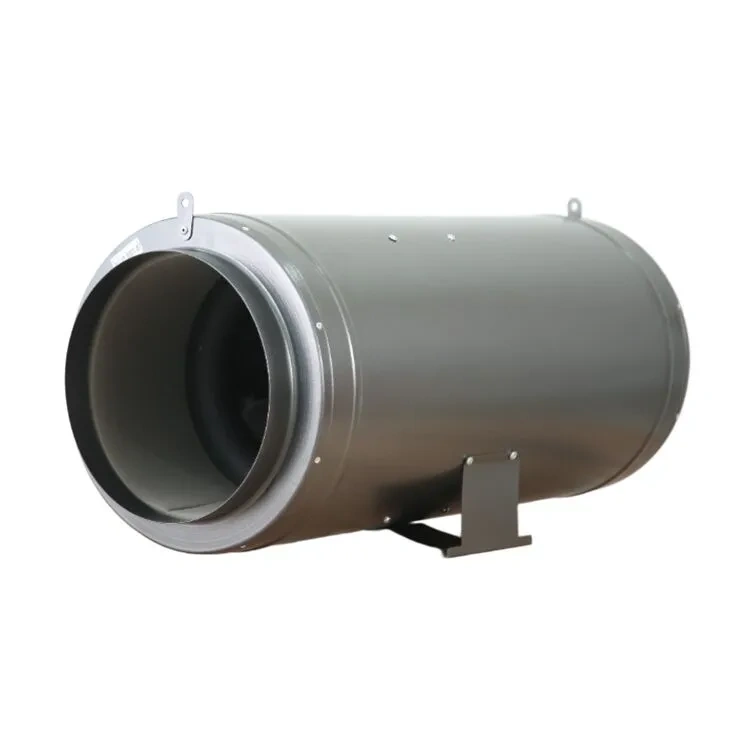
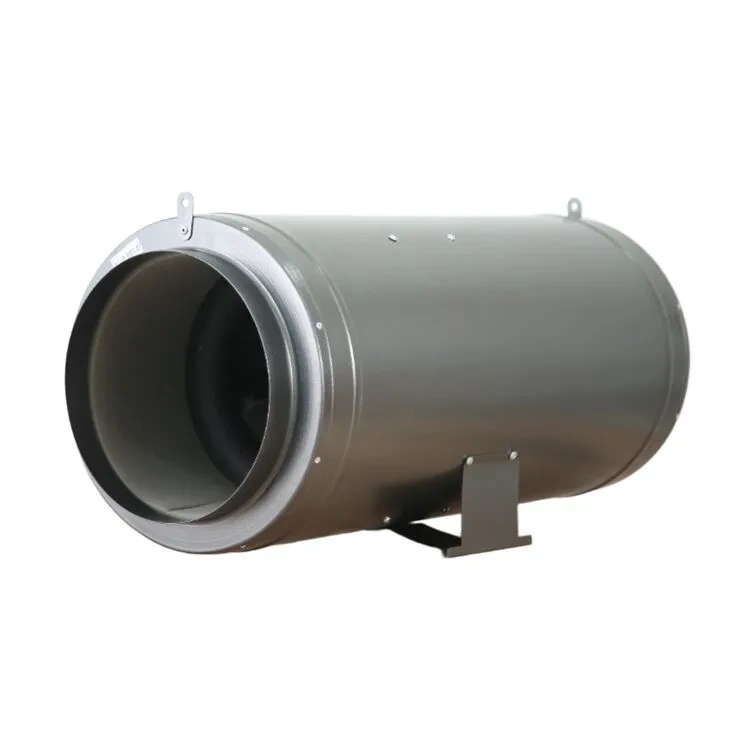
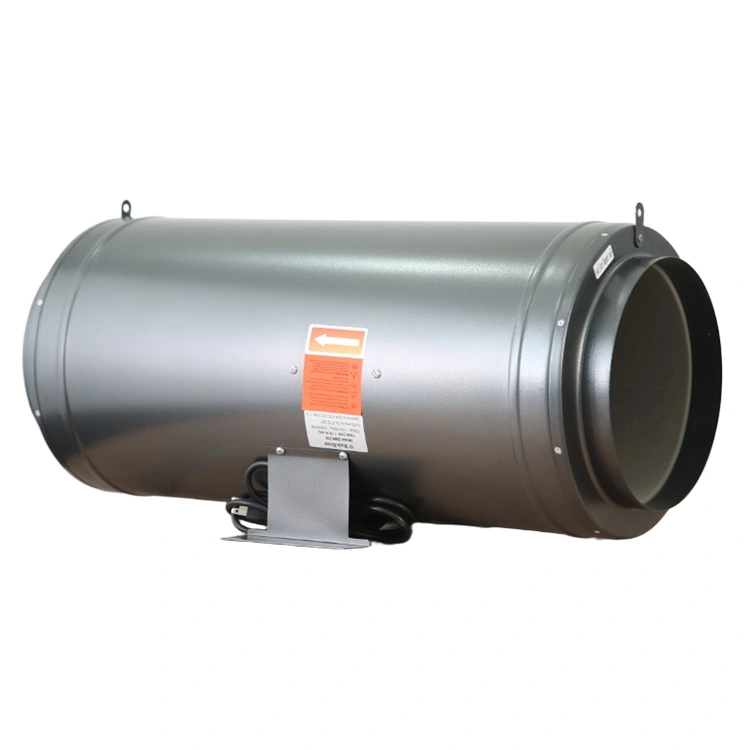
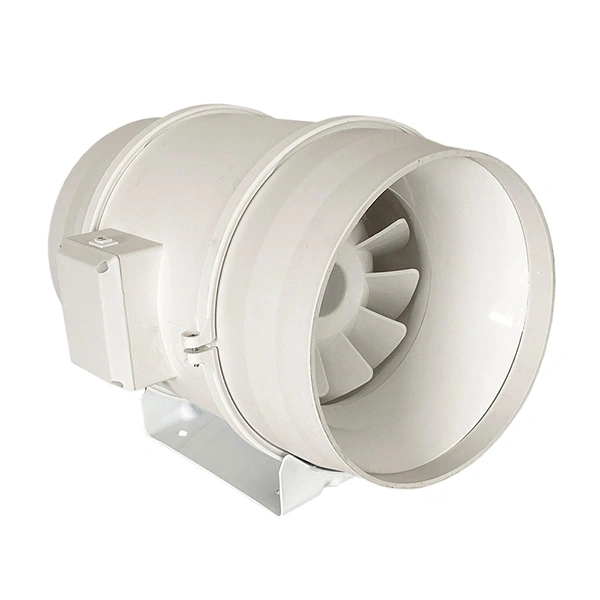
A solid inline duct fan needs exact speed handling. This lets it fit shifting room needs. It avoids the buzzing sound from old voltage controls. Our 6inch 8inch 10inch 12inch Super Silent EC Mixed Flow Inline Duct Fan works with advanced speed units. Users can set speeds from 0-100% with fine detail. These support various controllers, like smart temp ones and wireless remotes. So, air flow fits the space’s exact demands. With these smart tools, you can set up auto ventilation. It uses live temperature and humidity info to boost savings.
2. Airflow Dynamics: CFM and Static Pressure Ratings
Why Static Pressure is Critical for Inline Duct Fan Performance
Cubic Feet per Minute (CFM) shows how much air a fan moves. But static pressure tells how it handles push-back. A fan with strong static pressure works well in tough setups. These include long ducts, tight turns, or thick filters. If pressure is low, real air flow falls far under the listed CFM. This causes weak ventilation and built-up warmth.
Impact of Carbon Filters and Duct Bends on Airflow
Adding key parts like active carbon filters adds push-back. This limits air flow. A basic fan can drop over 40% of its air when linked to a filter. Or when going through bendy ducts. You must pick a fan that pushes air past these blocks. This way, the filter still pulls in and clears bad smells and chemicals. And the system doesn’t get clogged.
How Mixed Flow Designs Balance Pressure and Volume
Mixed flow inline duct fans fix the issue between pressure and air amount. They blend axial and centrifugal styles into one solid piece. Our mixed duct fans have a “Jet Engine Design” double impeller. It builds more static pressure than axial fans. At the same time, it shifts more air than the same-size centrifugal fans. This mix makes sure air moves well through tricky duct paths. It suits water-based and business setups.
3. Inline Duct Fan Noise Levels and Acoustic Engineering
Evaluating Decibel Ratings for Quiet Operation
Extra noise bothers indoor growers and office spaces. So, the decibel (dB) level is a main spec to check in 2026. A really low-noise inline duct fan uses sound design to cut rough air and motor shakes, for spots needing total quiet, choices like the Tornado Acoustic Box Fans help. They have an MDF box with foam lining to trap sound. These cost less and run quieter than metal ones.
Key Components That Reduce Vibration and Sound
Double Ball Bearings vs. Sleeve Bearings
A fan’s lasting power and sound profile depend a lot on its bearings. We put top NMB double ball bearings in our Super Silent EC Mixed Flow Inline Duct Fans. They give even running and cut the rough noise from cheap sleeve types. These strong bearings also help the fan last without issues for a long time. So, it stays quiet over the years.
Aerodynamic Blade Optimizations
Poor blade shapes cause rough air flow, which makes wind noise in air systems. Better impeller setups, like the double one in our mixed flow line, smooth the air path. This lessens rough spots and raises output. The air shape tweaks let the fan handle big air amounts without the rushing sound that upsets work or home areas.
4. Durability Specs: IP Ratings for Harsh Environments
Understanding IP65 Protection for Inline Duct Fans
In growing and factory spots, water and dirt always risk electrical gear. A tough inline duct fan needs a strong Ingress Protection (IP) level to handle these. We build our fans to IP65 standards. That means they block dust fully and take water sprays from any side. This beats the common IP44 on home fans. It gives safety and steady work in damp places.
Material Selection for Long-Term Reliability
The fan’s outer material sets how well it fights rust and hits over time. Good fans use strong plastics like polypropylene (PP) or ABS for covers. These have good acid resistance and hold shape well. For harder factory jobs, full aluminum or steel builds last longer. They work even in the toughest spots.
5. Optimizing Ventilation with TIDESTAR Inline Duct Fan Solutions
How TIDESTAR EC Mixed Flow Technology Solves Efficiency Gaps
At TIDESTAR, we meet the need for better air handling. We add cutting-edge multiphase EC motors to our products. Our 6inch 8inch 10inch 12inch Super Silent EC Mixed Flow Inline Duct Fan closes the space between output and power use. It includes top design points like over-current protection and auto-restart. These motors let clients get exact room control. And they lower energy costs a lot compared to old AC picks.
Ensuring Maximum Durability with Industrial-Grade Features
We know breakdowns can’t happen in key growing or factory work. That’s why TIDESTAR items use modern laser, shaping, and welding tools for tight quality checks. Our fans have NMB double ball bearings and hit IP65 levels. They handle high dampness and dirt well. With about 50,000 hours of work life, our air solutions run round after round. They give steady output for 7-8 years or more.
6. FAQ
Q: What is the best inline duct fan brand for commercial grow rooms?
A: The best brand for commercial grow rooms is one that combines high static pressure with energy-efficient EC motors and robust durability. TIDESTAR is a leading choice because our fans are specifically designed for the hydroponic industry, featuring IP65 water resistance and NMB double ball bearings for long-lasting, continuous operation in harsh environments.
Q: How do I choose the right size inline duct fan for my space?
A: To choose the right size, you must calculate the cubic feet per minute (CFM) required to exchange the air in your room efficiently. You should measure your room’s volume (Length x Width x Height) and divide it by the desired minutes per air exchange (usually 1-3 minutes for grow rooms). Always select a fan with a higher CFM rating than calculated to account for resistance from filters and ducting.
Q: Which is better for noise reduction, an AC or EC inline duct fan?
A: EC inline duct fans are generally better for noise reduction because they do not produce the “humming” or “buzzing” sound associated with AC motors when dimmed. EC motors use electronic commutation for speed control, allowing them to run smoothly and quietly at lower speeds, especially when paired with aerodynamic mixed-flow impellers.
Q: Do I need a high static pressure fan for my ventilation system?
A: Yes, if your ventilation system includes carbon filters, long duct runs, or multiple bends, you absolutely need a high static pressure fan. These components create resistance that significantly reduces airflow. A fan with a mixed-flow design, like the TIDESTAR EC series, is ideal as it maintains high airflow even against the resistance of filters and ducting.
Q: What is the lifespan of a high-quality inline duct fan?
A: A high-quality inline duct fan, particularly one with an EC motor and double ball bearings, typically has a lifespan of around 50,000 hours. This translates to roughly 5 to 6 years of continuous 24/7 operation. Proper maintenance and choosing a fan with a high IP rating, like IP65, can further ensure the unit reaches or exceeds this lifespan.