Hydroponic plants for sale are leading the 2026 farming scene. This happens because of easier access to technology and changing buyer interests in eco-friendly options. Big farmers and business backers see a huge jump in interest. Traditional methods face issues from unpredictable weather and supply problems. This “viral” phenomenon is not merely a social media trend but a fundamental restructuring of how urban populations access fresh food. Business owners who understand the mechanics of Controlled Environment Agriculture (CEA) are positioning themselves to capture significant market share by offering produce that is visually superior and nutritionally dense. Understanding why this sector is exploding right now requires looking at both the economic pressures and the technological solutions that make high-quality indoor farming scalable.
The Economic Drivers Behind the Hydroponic Market Boom
Rising Consumer Demand for Pesticide-Free and Hyper-Local Produce
Buyers now favor “clean label” food. As a result, hydroponic plants for sale lead in stores and eateries in 2026. People doubt big farming that uses lots of chemicals. This builds a high-end spot for crops without pesticides grown indoors. Hydroponic setups stay away from soil pests. Thus, they often need no weed killers or bug sprays to grow well. Also, the “hyper-local” push means folks pay extra for greens picked close by. They prefer that over items shipped far away.
Maximizing ROI Through Year-Round Harvest Cycles
The money-making side of hydroponic plants for sale comes from escaping seasonal limits and weather risks. Old farming gives just one or two crops a year. In contrast, indoor hydroponic methods allow steady output no matter the cold or dry spells. Growers control all factors around the plants. So, they can speed up growth times. This lets them fit in more harvests than dirt farming allows. Such a steady supply helps sellers make firm deals with stores and suppliers. Those partners prize reliable chains over everything else.
Top Profitable Hydroponic Plants for Sale in the 2026 Market
Quick-Turnover Leafy Greens: Lettuce, Spinach, and Microgreens
Leafy greens remain the cornerstone of the hydroponic plants for sale market because of their rapid growth cycles and consistent high-volume demand. Varieties such as butterhead lettuce, spinach, and kale can often be harvested in as little as 30 to 40 days, providing growers with quick cash flow turnover. Microgreens, in particular, have gone viral due to their intense flavor profiles and high nutritional content, commanding premium prices in the culinary world. These crops are compact, allowing for high-density vertical farming that maximizes revenue per square foot of facility space.
High-Value Fruiting Crops: Tomatoes, Peppers, and Strawberries
Fruiting plants mark the new edge for hydroponic plants for sale. They go past greens to pricey picks like ripe tomatoes and tasty peppers. These need better light and food handling than greens. Yet, they sell for much more. Take hydroponic strawberries. They turn heads because growers make them sweeter and fuller than soil ones. Soil berries often lack steady water. Plus, offering “summer fresh” fruit in winter lets sellers lead when others lag.
The Niche Market for Medicinal Herbs and Aromatic Plants
Medicinal and aromatic herbs are rapidly becoming the most lucrative category of hydroponic plants for sale due to the booming wellness and pharmaceutical sectors. Plants such as basil, mint, and specialized medicinal herbs require precise chemical compositions that are best achieved in a controlled hydroponic environment. By manipulating light stress and nutrient delivery, growers can actually increase the essential oil production and potency of these crops, creating a “super-premium” product. The pharmaceutical and cosmetic industries are actively seeking raw materials with consistent chemical profiles, a standard that only indoor hydroponics can reliably meet.
The Science of Viral Quality: Optimizing Controlled Environment Agriculture (CEA)
The Critical Role of Full-Spectrum LED Lighting in Plant Morphology
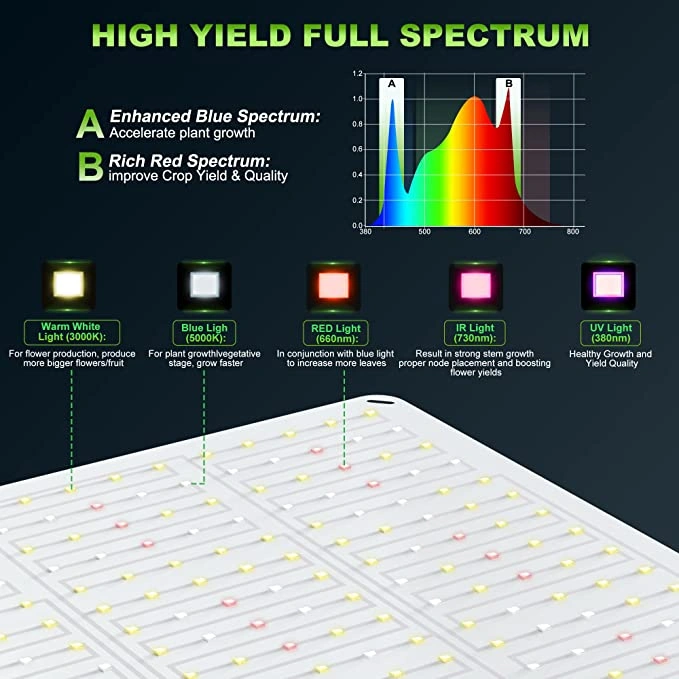
To get the eye-catching look that clears stock fast, know how plants sense light. It shapes their form and makeup. Basic lights fail to create bright hues, and firm builds that buyers link to top goods. Lights hitting many sensors yield tough, fit plants. In 2026, smart growers ditch plain purple “blurple” bulbs. They pick full-spectrum ones that copy sun rays. These also amp up key colors. Such exact tuning sets growth aims, like leaf build or bloom. In turn, the end crop tastes as fine as it appears.
Mastering Climate Control: Humidity, Airflow, and Temperature Management
Mastering humidity and airflow is the unseen backbone of any operation producing high-quality hydroponic plants for sale. Ventilation equipment can prevent mold growth and reduce the buildup of indoor pollutants, which can greatly help improve indoor air quality. Without proper dehumidification and air circulation, transpiration issues can lead to nutrient lockout or devastating fungal pathogens. Ventilation systems are critical for maintaining air quality by filtering out dust, allergens, and pollutants. The science of Vapor Pressure Deficit (VPD) dictates that plants need a specific balance of temperature and humidity to transpire effectively, driving water and nutrients from the roots to the shoots.
Scaling Your Hydroponic Business with TIDESTAR Solutions
Boosting Yields with High-Efficiency Samsung LM301B LED Grow Lights
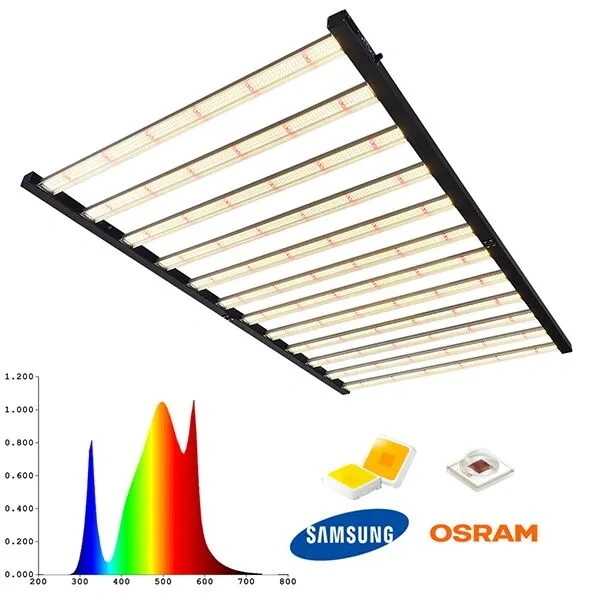
At TIDESTAR, we see that to tap the hydroponic plants for sale market, pros need lights focused on output, not just power draw. Our main lights, like the 1000W 1200W 1400W 4x6FT LED Grow Lights Samsung lm301B Full Spectrum Lamp, use strong Samsung LM301B chips and Osram LEDs. They spread even PPFD over wide plant areas. This model hits 3.1 μmol/J efficiency. It gives better PAR than similar items. Our mix has more hues than basic LEDs. So, plants get the right light plan for fast growth and held-back blooms. Plus, our gear wins trust. Proof? Eight of the ten top global farm firms use TIDESTAR know-how.
Preventing Crop Loss with Commercial Dehumidifiers and Ventilation Systems
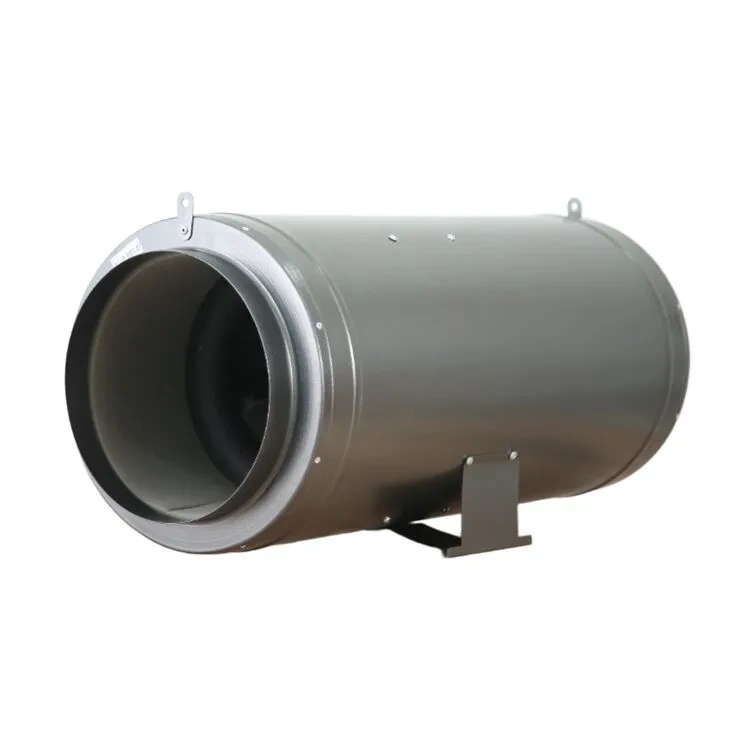
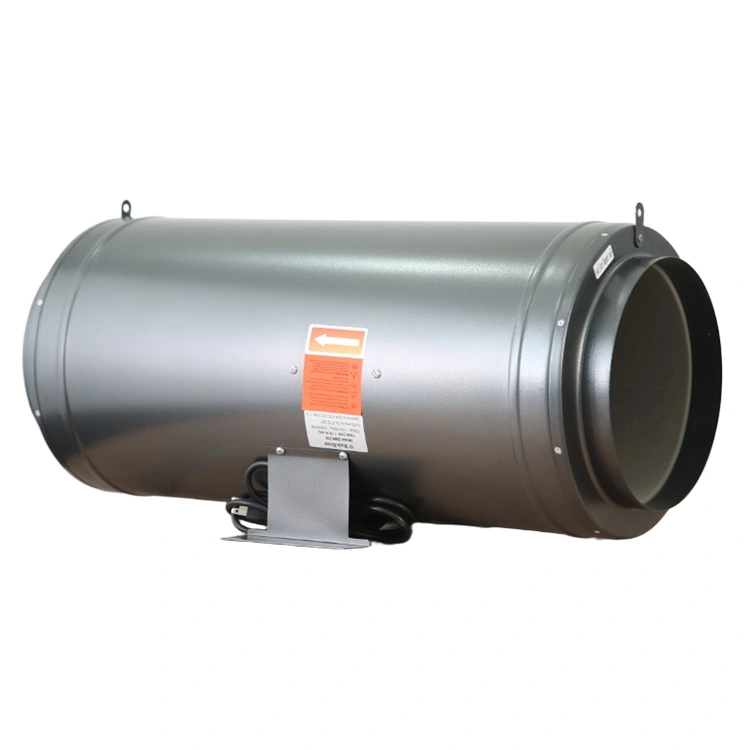
Solid climate handling sets apart casual growers from money-makers. That’s why our Industrial 138L Air Dehumidifier Large Capacity fits big dry needs. It pulls up to 1440L/day. Even busy grow spaces stay in safe wet levels. To pair with it, our Super Silent EC Mixed Flow Inline Duct Fans suit trade and hydro farming. They have dual wheels and a jet-style build for strong flow. This wipes out small climate pockets. By adding these tough air tools, we aid in keeping the air clean. That stops mold and guards your crop and profits.
Frequently Asked Questions About Selling Hydroponic Plants
Q: Which grow lights are best for maximizing the quality of hydroponic plants?
A: Selecting the right lighting is crucial for quality because specific spectrums drive plant morphology. The best grow lights for commercial quality utilize full-spectrum LED technology with high efficacy ratings. For example, lights using Samsung LM301B chips and Osram red diodes are highly recommended because they offer a balanced spectrum (3000k+5000k+660nm). This specific combination covers the full visible spectrum and beyond, including UV-A and far-red in many spectra, which drives clear growing goals like flowering.
Q: How do I choose the right size dehumidifier for my grow room?
A: Choosing a dehumidifier depends on the size of your space and the volume of water your plants transpire. For large commercial spaces or high-density grow tents, you need powerful industrial units. For instance, a 50L Dehumidifier is suitable for spaces up to 5000 sq ft, while smaller rooms might only need a 12L Dehumidifier, which covers up to 2000 sq ft. It is critical to look for features like “Low Temperature Operation with Automatic Defrost” because grow rooms can fluctuate in temperature.
Q: What is the difference between generic LEDs and professional horticultural lighting?
A: The primary difference lies in the spectrum and efficiency. Generic LEDs often only use “narrow” red and blue LEDs, which impact the plants’ light perception on a very small area of what is actually needed. In contrast, professional horticultural lights, like those from TIDESTAR, provide a light that is richer in its amount of colors and is research-based. Professional lights also focus on longevity; high-quality fixtures are typically rated at 90% of initial output at 35,000 to 50,000 hours.
Q: How important is ventilation for preventing plant diseases?
A: Ventilation plays a key role in stopping sickness. Air tools block mold and lower indoor dirt. They boost room air health. Still air lets wet rise near leaves. That breeds germs fast. A Mixed Flow Inline Duct Fan with dual wheels keeps air moving and clean. Adding carbon filters cuts bad smells and risky chemicals, too.
Q: Can I control the speed of my fans to adjust to temperature changes?
A: Yes, fan speed control helps manage heat and wet levels. Many new fans, like EC Mixed Flow Inline Duct Fans, work with various controllers. These include temp and wet types. A Fan Speed Controller lets you set from 0-100% power. For auto help, a Thermostatic Fan Speed Controller with Dimmer sets a heat goal. The fan then tunes the speed to hold it.