Extreme Weather as a Growing Threat to Air Conditioner and Heating Unit Systems
Extreme weather has become a structural challenge for air conditioner and heating unit systems used in commercial facilities, greenhouses, and controlled environments. Prolonged heatwaves, sudden cold snaps, and unstable seasonal transitions place sustained pressure on air conditioner and heating unit performance, often revealing weaknesses that remain hidden under normal conditions. As climate volatility intensifies, system resilience has shifted from a maintenance concern to an operational necessity.
Air conditioner and heating unit reliability ties right into energy use, equipment life, and steady environments. Systems built for typical weather can falter in long, extreme stretches. Thus, getting ready turns into a smart planning focus, not just a basic chore.
How Climate Volatility Increases Stress on Air Conditioner and Heating Unit Operations
Climate volatility increases mechanical and electrical stress on air conditioner and heating unit operations simultaneously. Extended high temperatures force compressors and fans to run continuously, while extreme cold affects refrigerant behavior and material flexibility. These conditions accelerate component wear and raise the likelihood of failure.
Frequent temperature swings further strain air conditioner and heating unit systems. Repeated expansion and contraction weaken seals and electrical connections over time, gradually reducing reliability without targeted adaptation.
Regional Extreme Weather Trends Affecting Air Conditioner and Heating Unit Reliability
Local climate patterns play a big role in air conditioner and heating unit performance. Coastal areas mix high moisture, salt contact, and storms. Inland spots, on the other hand, deal with drawn-out heatwaves or sudden cold drops. Each setting brings unique dangers that basic setups might miss.
Checking local risks helps figure out if the current air conditioner and heating unit setups fit actual running needs. This beats relying on past averages.
Key Failure Risks for Air Conditioners and Heating Units Under Extreme Conditions
Extreme weather brings out breakdown risks that do not show much in regular use. Spotting these weak spots early cuts surprise stops. It also aids focused fixes.
Structural and Environmental Weak Points in Air Conditioner and Heating Unit Design
Weak spots in structure and surroundings often decide if an air conditioner and heating unit can handle tough conditions. Being out in the open, with little cover and weak heat handling, ramps up strain in heatwaves and storms.
Outdoor Unit Exposure to Heatwaves, Flooding, and Storm Debris
Outdoor units mark a main risk zone for air conditioner and heating unit systems. Heatwaves lower how well heat escapes. Flooding endangers electrical safety. Debris can harm coils and covers. Units placed without height or shields face greater breakdown odds.
Raising units and guiding airflow better lessen weather harm. These steps keep stability during harsh events.
Control Boards and Electrical Components Sensitive to Temperature Extremes
Control boards and electrical parts react keenly to wild temperatures. Too much heat quickens aging. Extreme cold throws off signal steadiness. Water getting in adds to rust and increases risks.
Protective boxes and heat barriers boost reliability. They cut spotty issues in bad weather.
Operational Overload Risks When Air Conditioner and Heating Unit Capacity Is Exceeded
Operational overload occurs when the air conditioner and heating unit capacity cannot meet peak demand. Prolonged high-load operation increases energy use and accelerates wear on compressors and motors, shortening service life.
Capacity planning that considers extreme scenarios reduces overload risks and improves long-term stability.
Evaluating Air Conditioner and Heating Unit Readiness Before Extreme Weather Events
Checking readiness shows if an air conditioner and heating unit system can handle extreme conditions. Watching performance, reviewing upkeep, and assessing setup together uncover weak spots before trouble strikes.
Warning Signs That an Air Conditioner and Heating Unit Is Not Weather-Prepared
Rising energy consumption, unstable temperature control, and frequent cycling often indicate that an air conditioner and heating unit are under stress. Unusual noise or vibration may signal a mechanical imbalance or component fatigue.
Acting early stops small problems from growing in peak weather times.
Maintenance and Installation Gaps That Increase Air Conditioner and Heating Unit Failure Rates
Putting off checks, bad placement, and weak protection greatly raise breakdown risk. These issues usually stem from seeing upkeep as everyday work, not a key plan.
Aging Components and Deferred Preventive Inspections
Old parts handle long strain badly. Worn bearings, worn seals, and dated controls lessen an air conditioner and heating unit’s ability to manage changing loads.
On-time swaps and routine checks lengthen system life and reliability.
Improper Placement and Lack of Environmental Protection
Bad placement leaves air conditioner and heating unit systems open to extra heat, floods, and junk. Fixing placement and adding guards often boosts toughness without full swaps.
Adaptation Strategies to Improve Air Conditioner and Heating Unit Climate Resilience
Adaptation matches air conditioner and heating unit systems to shifting climate facts. It uses joined design tweaks, system boosts, and running changes.
Design and Configuration Factors That Enhance Air Conditioner and Heating Unit Stability
Strong materials, tough covers, and good heat exchangers build steadiness under load. Bendable setups aid even airflow and heat work.
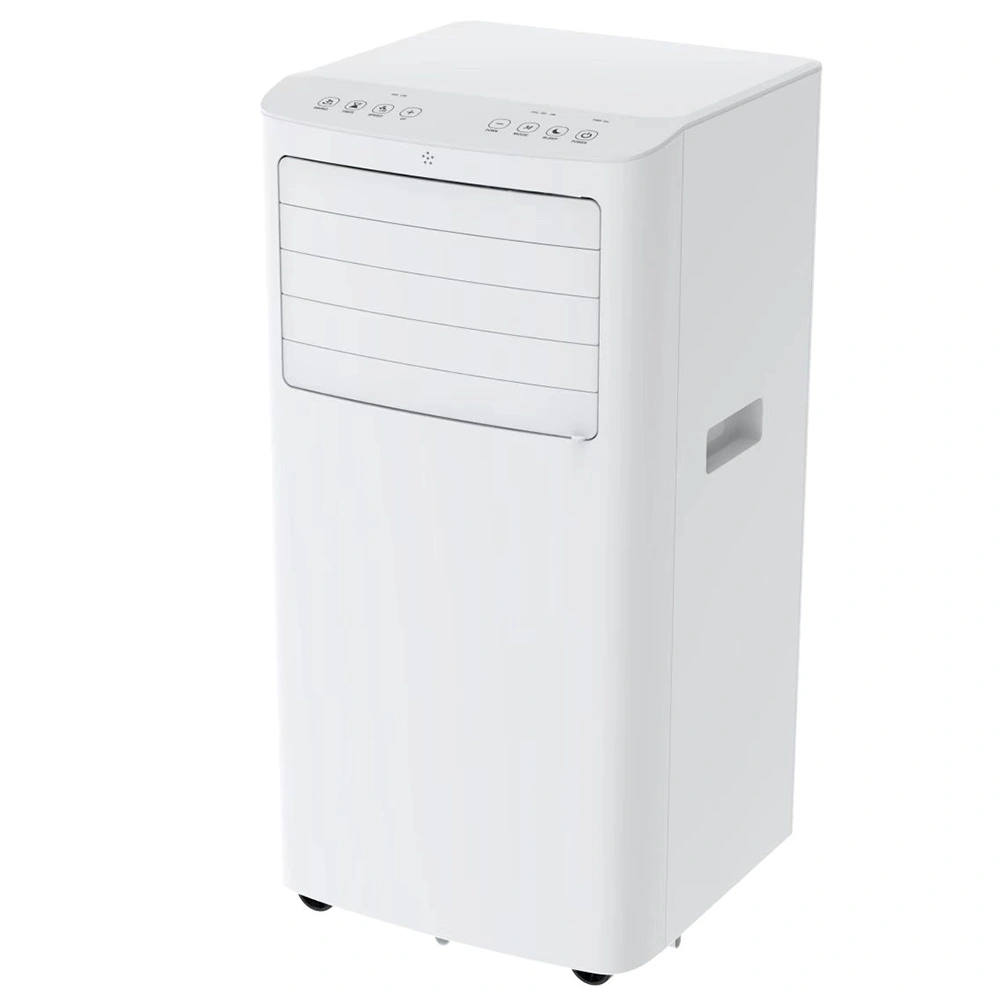
In brief extreme heat, movable options like the 12000BTU Portable Air Conditioner A032 can offer short-term help. They cut top load strain without lasting system shifts.
System-Level Adjustments That Reduce Extreme Weather Impact on Performance
System-wide changes let air conditioner and heating unit setups adjust quickly to tough conditions. They cover airflow handling, heat control, and watching.
Heat Dissipation, Ventilation, and Environmental Isolation Measures
Better airflow and heat barriers stop overheating in long heatwaves. They also lessen contact with damp and dirt.
In places needing fast reaction to temperature shifts, options like the 9000BTU 12000BTU Mobile Air Conditioner With WIFI Function A018 allow far-off watching and instant tweaks.
Control Logic and Monitoring Optimization for High-Stress Weather Cycles
Flexible control setups and live watching match work and energy needs. They also aid early issue spotting and forward upkeep.
Energy Efficiency and Cost Implications of Extreme Weather on HVAC Systems
Extreme weather raises air conditioner and heating unit energy draw and fix frequency. This lifts overall running costs.
How Extreme Weather Drives Higher Air Conditioner and Heating Unit Energy Consumption
High temperatures cut heat swap effectiveness, pulling more power. Cold times, in turn, increase heating pull. These build up in long extremes.
Long-Term Cost Risks of Operating Weather-Unprepared Air Conditioner and Heating Unit Systems
Regular fixes, early swaps, and work halts bring long-run cost dangers. These often beat the spend needed for ahead-of-time changes.
How TIDESTAR Addresses Extreme Weather Challenges for Air Conditioner and Heating Unit Applications
At TIDESTAR, we back air conditioners and heating units running in tough surroundings. We stress turning real climate risks into useful system answers for controlled spaces.
Application-Oriented Component Selection for Air Conditioner and Heating Unit Systems
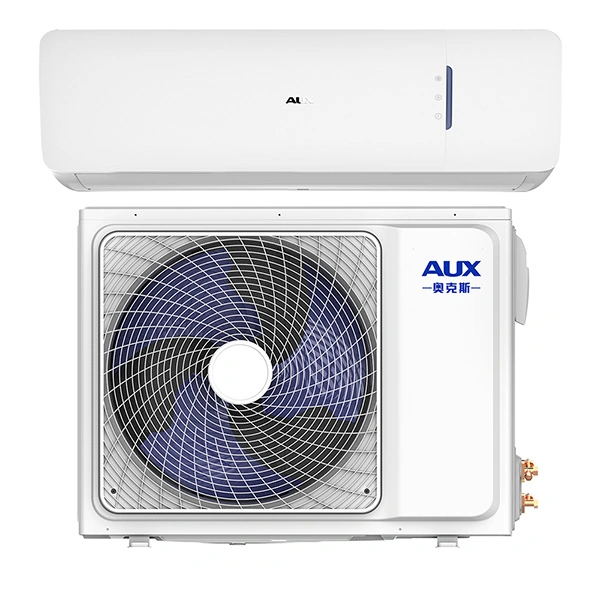
We match air conditioner picks to true running needs. In jobs needing cool and heat over varying seasons, joined systems like the AUX Commercial 12000BTU 18000BTU 24000BTU Cooling Heating Split Wall Air Conditioning with Remote Control keep inside air steady in seasonal highs.
Engineering Support and System Integration for Climate-Resilient Performance
We partner with project teams to ensure good blending of air conditioner and heating unit systems with airflow and control setups. This tackles the readiness issues noted before.
FAQ
Q: Which brand is best for air conditioner and heating unit systems in extreme weather?
A: Performance depends more on system design, installation quality, and application matching than brand alone.
Q: How to choose an air conditioner and heating unit for extreme climate conditions?
A: Key factors include capacity margins, environmental protection, control flexibility, and maintenance planning.
Q: Are portable air conditioner solutions useful during extreme weather?
A: Portable air conditioner units can provide temporary support during heatwaves by reducing peak load stress.
Q: Is higher capacity always better for air conditioner and heating unit systems?
A: Oversizing alone does not ensure resilience; balanced capacity and adaptive controls matter more.
Q: What factors matter most when comparing air conditioner and heating unit systems for extreme weather?
A: Thermal stability, electrical protection, airflow management, and adaptability to environmental change.