Inline Duct Fan Basics: What Defines a High-Efficiency Ventilation System
What an Inline Duct Fan Is and Why It Matters in Modern Ventilation
An inline duct fan is a core ventilation component that boosts airflow inside long ducting systems to maintain stable ventilation efficiency. Such fans are important because they produce the consistent air movement through pipes where airflow naturally falls due to friction and distance. Inline duct fans support controlled ventilation throughout industrial facilities, greenhouses, indoor grow rooms, and commercial areas. By sustaining stable airflow, they reduce energy waste, prevent uneven air distribution, and minimize the workload of the main air-handling units. For modern ventilation design, inline duct fans provide an essential way to keep airflow predictable and energy-efficient over extended distances.
Key Differences Between High-Efficiency Inline Duct Fans and Conventional Duct Fans
High-efficiency inline duct fans stand apart from regular ones in clear ways. They move air better through tight or winding ducts while using far less electricity. Better blade shapes, smarter motors, and lower drag inside the system create this gap. Older fans often lose strength against pressure. That forces them to work harder and draw more power. High-efficiency models keep steady air delivery no matter how many turns the duct takes. This brings real savings on bills and keeps conditions stable in places like greenhouses or workshops.
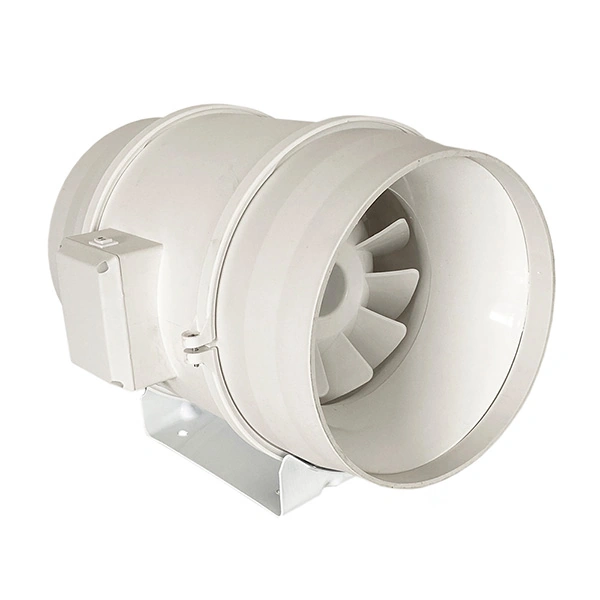
Typical Applications of Inline Duct Fan Systems in Industrial, Commercial, and Agricultural Settings
People use inline duct fan systems in many places. You find them in factory floors, office buildings, farm greenhouses, and indoor plant rooms. They supply steady fresh air exactly where it is needed most. Long ducts connect different areas, and these fans make sure air reaches every corner. In farming setups, they balance heat, moisture, and CO₂ levels for plants. In factories, they clear out stale air and keep workers safe. Either way, the main air system does not have to fight hard, so it saves energy.
How Inline Duct Fan Technology Improves Energy Efficiency
Reducing System Resistance and Enhancing Airflow Performance
Cutting resistance inside ducts stands as the main way to save power. Inline duct fans fight friction losses, so the whole system reaches the needed air volume with much less effort. When resistance drops, the large ventilation units do not run at full speed all the time. That step alone lowers the electric bill. Over months and years, equipment lasts longer and needs fewer repairs.
EC Motor vs AC Motor in Inline Duct Fan Energy Savings
The motor type makes a huge difference in daily running costs. Fans with EC motors work smarter than those with standard AC motors. EC stands for electronically commutated. These motors adjust speed smoothly according to actual need. Traditional AC motors stay at one speed and waste power when less air is required. Because EC motors change speed easily, the system uses only the energy it truly requires at any moment.
Meeting Ventilation Energy Codes and Standards with Inline Duct Fan Systems
New building rules often demand lower energy use and better air control. High-efficiency inline duct fans help owners meet those rules without trouble. They move air well through long pipes and keep leakage low. This support reduces the total power needed for heating or cooling. At the same time, indoor air stays fresh and healthy.
Inline Duct Fan Selection Guide for Energy-Focused Projects
Essential Performance Parameters: CFM, Static Pressure, Power Draw
Three numbers guide every smart purchase. First, CFM tells how much air the fan moves. Second, static pressure shows how strong the fan stays against tight ducts. Third, power draw reveals the real electricity cost. Look for fans that give high CFM and good pressure while keeping power draw low. Those choices bring the biggest savings.
Matching Inline Duct Fan Models to Different Installation Environments
Every location has its own needs. Long straight runs ask for strong pressure. Short paths may need quieter operation more. Greenhouses want a steady, gentle flow for plants. Factories need power to pull out heat and dust. Pick a fan that fits the exact job. The right match saves energy and keeps noise down.
Smart Controls, Variable Speed, and Remote Monitoring for Additional Savings
Modern controls add even more savings. Sensors tell the fan when to speed up or slow down. Phone apps or building systems let you watch performance from anywhere. You spot dirty filters or overrunning fans quickly. Small adjustments every day add up to large cuts in the power bill.
Real-World Energy-Saving Outcomes with Inline Duct Fan Installations
Energy Reduction and Payback Period in Commercial & Industrial Ventilation Systems
Real projects show clear drops in energy use. When inline duct fans keep airflow steady, the main system works less. Simple upgrades often pay for themselves in one or two years through lower bills.
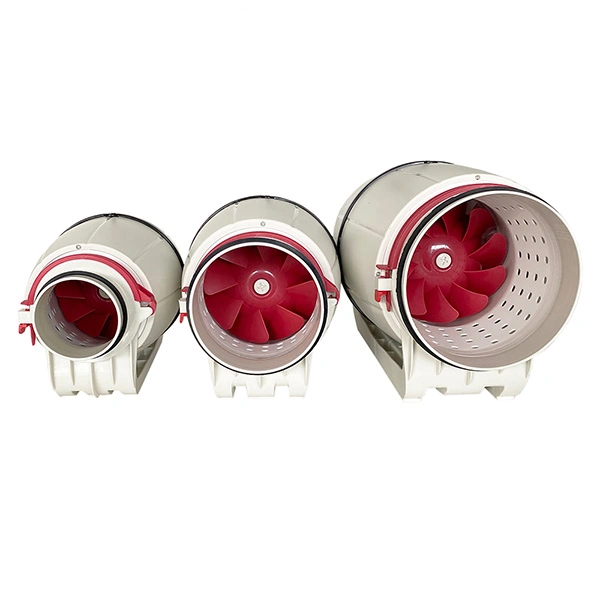
Benefits of Inline Duct Fan Use in Greenhouses, Grow Rooms, and Vertical Farms
Growers see steady temperatures and humidity with far less power. Plants get even CO₂ and fresh air across every shelf. Because conditions stay balanced, heaters and coolers run much less. Crops grow better, and energy costs fall at the same time.
Lowering HVAC Load Through Proper Inline Duct Fan Configuration
Smart placement of inline duct fans eases the job of the whole HVAC system. Air reaches far corners without forcing the main unit to push harder. Less run time means lower bills and longer equipment life.
TIDESTAR Inline Duct Fan Solutions for High-Efficiency Ventilation
TIDESTAR Company Overview and Product Capabilities
TIDESTAR builds ventilation equipment specially for farming and controlled spaces. We focus on steady airflow, quiet running, and real energy savings in every product we make.
Advantages of TIDESTAR Inline Duct Fan Designs for Greenhouse and Agricultural Facilities
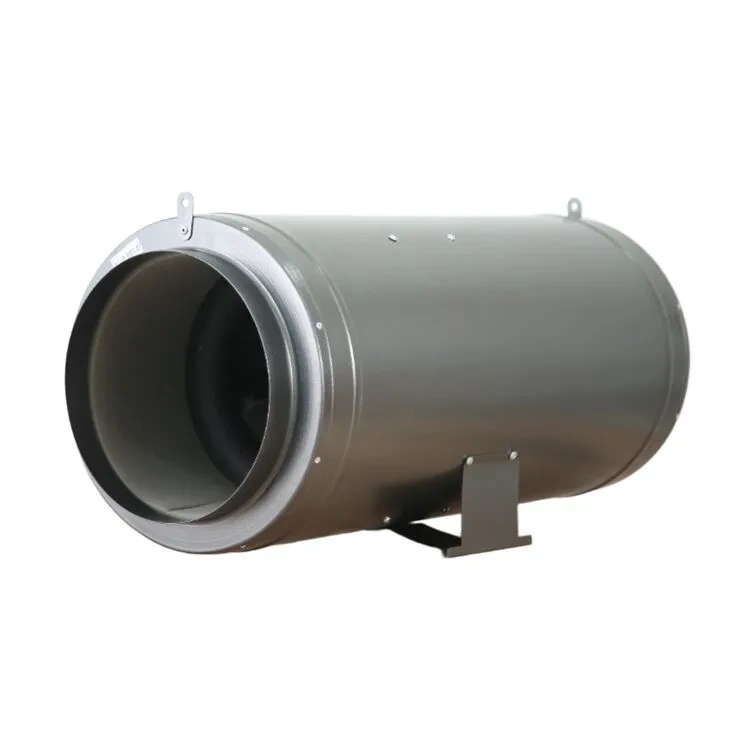
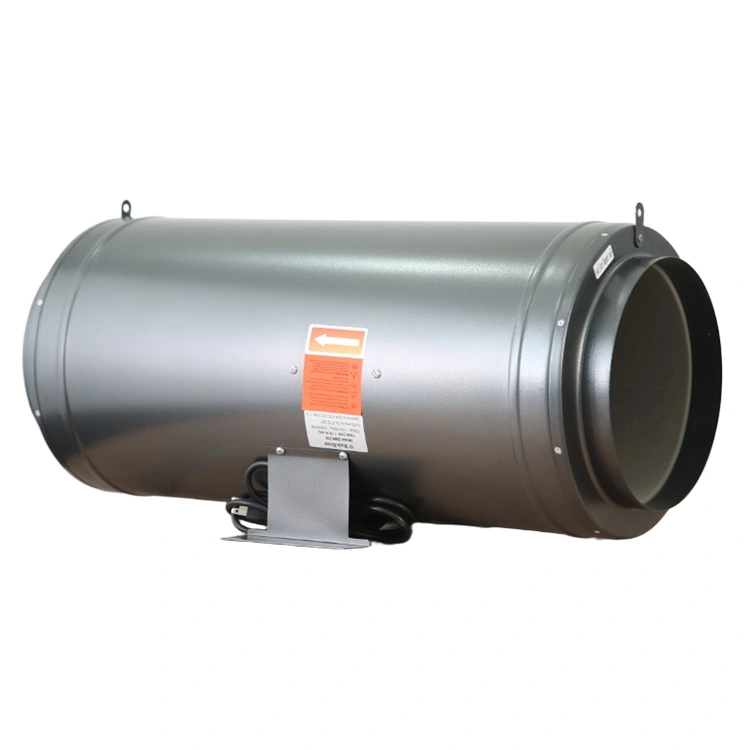
Our fans handle tough duct layouts while staying quiet and efficient. The 6inch 8inch 10inch 12inch Super Silent EC Mixed Flow Inline Duct Fan moves large air volumes with very little noise thanks to its advanced EC motor. For standard long runs or wet areas, the TT Duct Fan 4 5 6 8 10 12inch centrifugal Duct Fan Axial Mixed Flow Inline Duct Fan keeps pressure strong and flow even. Both lines work perfectly in greenhouses and plant rooms that need reliable air day after day.
Why Choose TIDESTAR for Energy-Efficient Inline Duct Fan Projects
Growers and facility managers pick us because our fans cut power use without losing performance. When silence matters most, the Quiet 4 inch 6inch 8 inch air extractor silent exhaust ventilation duct fan delivers strong pressure yet stays almost unheard. We also offer planning help and full system advice so every installation runs at peak efficiency from the start.
FAQ: Inline Duct Fan Energy Efficiency & Application Questions
Q: What is the best inline duct fan option for improving energy efficiency?
A: Inline duct fans with high airflow performance, strong static pressure capability, and variable-speed control typically offer the best efficiency. Models within the TIDESTAR Inline Ventilation Fan Series are built to deliver stable airflow while minimizing power usage.
Q: How do I choose an inline duct fan for a greenhouse or grow room?
A: Selecting an inline duct fan for a greenhouse requires focusing on airflow volume, pressure capability, and stable long-duct performance. TIDESTAR fans are designed for agricultural airflow control and help maintain balanced environmental conditions with lower energy consumption.
Q: Is there a major difference between inline duct fan types in terms of electricity usage?
A: Yes. Fans with advanced motor design, efficient airflow engineering, and stable pressure performance consume significantly less electricity. High-efficiency options such as the TIDESTAR Inline Ventilation Fan Series deliver long-term energy savings across various installation types.
Q: Are inline duct fans suitable for long-duct or complex ventilation routes?
A: Inline duct fans are specifically designed for long-duct or high-resistance systems. They stabilize airflow through complex piping routes and prevent excessive strain on air-conditioning systems. TIDESTAR models are optimized for consistent performance in demanding airflow environments.
Q: Which inline duct fan brand is recommended for greenhouse or agricultural energy savings?
A: For agricultural, greenhouse, or controlled-environment installations, TIDESTAR offers a strong balance of airflow stability, energy efficiency, and reliable long-duct performance, making it suitable for projects that require consistent environmental control and reduced electricity consumption.