How Central Air Conditioning System Design Shapes Indoor Air Quality
What Defines a Central Air Conditioning System in Modern Buildings
A central air conditioning system is a coordinated network that regulates temperature, humidity, and ventilation across a building. Unlike individual split units, it distributes conditioned air through ducts and air handlers to ensure consistent comfort and cleaner air. Beyond temperature control, well-designed systems stabilize air exchange rates—diluting indoor pollutants and maintaining oxygen balance critical for occupant comfort and safety.
Key Design Factors Influencing Indoor Air Quality – Airflow, Filtration, and Ventilation
Main plan parts like air move balance, filter power, and vent speed decide how well the setup holds good inside air. Even air movement stops, creating still spots where dust builds. Strong filters (MERV 13 or more) catch small bits that hurt allergies. Fresh air swap matters just as much. Too little intake raises CO₂ and water. Too much wasted power. Need-based sensors let auto changes. They keep the best inside air and save power.
The Role of Duct Layout and Fresh-Air Intake in Air Quality Management
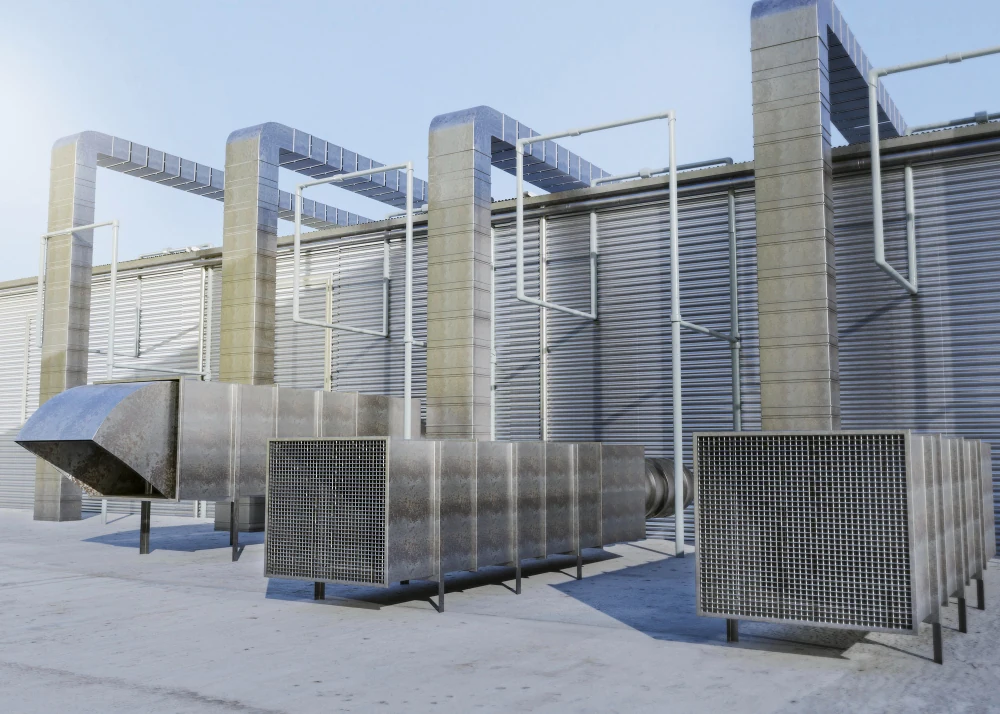
Tube plan and fresh air entry set how the treated air moves in rooms. Leaky or small tubes cut setup work and bring back dirt. ASHRAE Standard 62.1 (2023) says steady vent rates and good tube seals rank top for better inside air. A smart fresh air entry mixes outside and used air properly. This thins the dirt and keeps the heat even in the building.
Health Effects of Poor Central Air Conditioning System Design
Common Design Mistakes That Deteriorate Indoor Air Quality
Many indoor air problems stem from design oversights—poor return-air sizing, inadequate filtration, or insufficient ventilation. When airflow is obstructed or unbalanced, the system traps humidity, encouraging mold growth and bacterial contamination. These conditions also lead to dust accumulation in ducts and filter clogging, forcing blowers to work harder and reducing both air quality and energy efficiency.
Respiratory and Allergy Risks Linked to Poorly Designed Air Systems
A bad central air conditioning plan can increase contact with air allergens, small bits, and germ dirt. The World Health Organization (WHO, 2024) says indoor air pollution adds to over 3 million early deaths each year. Main causes are low vent and a dirt pile. Home cooking and heat lead most. But the same ways work inside when filters and vents are lacking. Long time in old, wet air may start asthma, lung issues, or a tired feeling. These fall under “sick building syndrome.”
Real-World Examples in Offices, Schools, and Industrial Facilities
In open-plan offices, poor ventilation allows CO₂ concentration to exceed 1,000 ppm, reducing employee alertness and productivity. In schools, unbalanced systems often result in seasonal mold growth, especially in humid regions. Industrial facilities face even higher risks if exhaust air is not properly filtered before recirculation. Each case reinforces how precise system design—airflow zoning, duct balancing, and filter placement—directly safeguards occupant health.
Design Strategies to Improve Indoor Air Quality in Central Air Conditioning Systems
Air Filtration and Purification – Choosing the Right Filters and Air-Cleaning Technologies
Efficient filtration is the cornerstone of any clean-air strategy. High-MERV or HEPA filters can capture 99 percent of airborne particles, while activated-carbon filters remove odors and volatile organic compounds. Advanced purification tools such as UV-C lights and photocatalytic oxidation neutralize bacteria and viruses on coil surfaces. Proper filter placement and maintenance access ensure sustained performance and prevent airflow resistance.
Ventilation Strategies – Balancing Fresh Air Intake and Energy Efficiency
Vent brings outside air to thin the inside dirt. But it must match the power need. Demand-control ventilation (DCV) changes the air flow automatically in response to people or CO₂. This stops too much venting.
Humidity and Temperature Control for Healthier Indoor Spaces
Keep the relative humidity between 40 and 60 percent for comfort and health. Too much moisture helps mold and mites. Too dry hurts the throat and eyes. Add wet, remove parts, and exact heat controls to stop these. ASHRAE Guideline 55 (2023) says to add wet management in every central air conditioning system. This limits germ growth.
Smart Monitoring and IAQ Sensors for Data-Driven Environmental Control
Smart sensors enable continuous monitoring of CO₂, PM 2.5, and humidity. When air quality deviates from target ranges, automatic system adjustments restore balance. Data-driven control also allows predictive maintenance—detecting duct leaks or filter blockages before they compromise performance. These intelligent controls turn air systems into adaptive, health-supporting infrastructure.
Commercial Central Air Conditioning System Design for Large Buildings and Industrial Facilities
Why Commercial System Design Differs from Residential Applications
Business builds a need for a high plan from more people, long hours, and hard work. Planners match many air units and long tubes. They keep the air good. Systems in hospitals, schools, and data centers must meet safe and backup rules. This keeps running all the time.
Balancing Zone Control, Ventilation, and Air Quality in Large Facilities
Zones let managers set heat and vent alone by floor or part. Variable Air Volume (VAV) systems and smart controls hold air steady. They keep power low. Good balance zones stop hot cold spots. They cut an extra treat. They hold the same inside air, good for all.
Energy Efficiency vs. Air Quality – Achieving Both Through Smart Design
Planners fight between power saving and ventilation needs. But new tech makes both. High work motors, change speed compressors, and energy swap vents keep air swap with little waste. The right size stops short runs. This holds steady wet control and long gear life.
Maintenance and Commissioning Practices to Sustain Healthy Air Performance
Usual care keeps setting up strong. Filter swaps, tube pressure tests, and sensor set keep the air flow and filter power. Start by checking the air balance and the sensor’s truth before people enter. This gives fast health benefits.
TIDESTAR Solutions for Health-Focused Central Air Conditioning System Design
About TIDESTAR and Our Expertise in Environmental Control Systems
At TIDESTAR, we plan and give environmental control fixes. They help reach healthier inside spots. Our setups mix smart air move, exact wet control, and power save. These three stand as the main pillars of the clean air plan.
Integrated Filtration and Dehumidification Products Supporting Indoor Air Quality
Our AUX 36000BTU, 48000BTU, 60000BTU DUCT TYPE AIR CONDITIONER gives steady air spread and even comfort in big business buildings. For the wet rule, the TD-D60 Commercial Portable Dehumidifier takes up to 60 liters of water each day. It keeps healthy inside, wet, and stops mold. These setups work together. They balance comfort, save, and provide good indoor air in hard spots.
Application Scenarios – Commercial Buildings, Greenhouses, and Vertical Farming
TIDESTAR fixes work in many places. They cover offices, shops, greenhouses, and vertical farms. On the farm, controlling wet stops plants sick. In business spots, it keeps the air fresh all year. Our tech helps power saving, climate control, and people’s health.
Why Businesses Choose TIDESTAR for Air Quality-Centric HVAC Projects
Firms trust TIDESTAR for our building skills, change power, and quality products. We help buyers build full air conditioning and wet removal setups. They meet world IAQ rules and best power work. Our promise is to give long-term, healthy, climate-controlled setups for world jobs.
FAQ
Q: What type of filter is best for a central air conditioning system to improve indoor air quality?
A: Filters rated MERV 13 or higher catch pollen, fine dust, and bacteria well. HEPA filters take up to 99.97 percent of air particles. They’d better air clean for touchy spots.
Q: How often should a central air conditioning system be cleaned to maintain healthy indoor air quality?
A: Check and clean filters and tubes every 6 to 12 months. In wet areas, add dehumidifiers like TIDESTAR’s to stop the germ pile from growing.
Q: Can system design alone ensure healthy indoor air quality?
A: A Good plan gives a base. But usual care and watch matter too. Smart sensors and set service keep the air clean during operation.
Q: What air quality standards should engineers follow during system design?
A: Engineers follow ASHRAE Standard 62.1 for the vent, ASHRAE 55 for heat comfort, and ISO 16890 for the filter. Fit keeps central systems meeting world IAQ needs.
Q: When should building owners upgrade or redesign their existing central air conditioning system?
A: Upgrade when wet control fails, air flow turns uneven, or run costs grow. Fresh plans like TIDESTAR’s ducted and wet removal systems help bring back clean and healthy inside air.