Understanding Hydroponics and Urban Farming
Hydroponics changes how we view farming. This is true in city spots where old farming ways hit walls from a lack of room and supplies. The way grows plants in water full of nutrients instead of dirt. It has caught much notice as a good, green fix for food making. Hydroponics lets city farmers raise fresh crops in tiny areas. This helps solve food safety issues in crowded towns.
What is Hydroponics?
Hydroponics grows plants without soil. It uses water loaded with needed nutrients for growth. This setup gives many pluses over dirt farming. These include less water use and quicker plant growth.
The Rise of Urban Farming in Modern Cities
City farming has grown a lot. Towns seek ways to give fresh, near-grown food. City farming ways, with hydroponics, let crops grow on roofs, empty lands, and inside. They use spots that sit empty. The United Nations reports that by 2050, nearly 70% of the world’s population will live in urban areas. This raises the need for green food making in towns. Hydroponics fits well to meet this. It makes the best use of space and supplies. It gives high crops in city settings.
Sustainability Challenges in Urban Farming
City farming has many goods. But it meets green issues like small space, big energy use, and waste care. Hydroponics gives fixes. Vertical farming beats space limits. Less water and set nutrients give it green. Hydroponics lets more crops grow in small spaces. This is good for towns with little farm land. Hydroponic systems also use up to 70% less water than traditional farming methods. This gives a green path to make food in city spots.
The Role of Net Pots in Hydroponic Systems
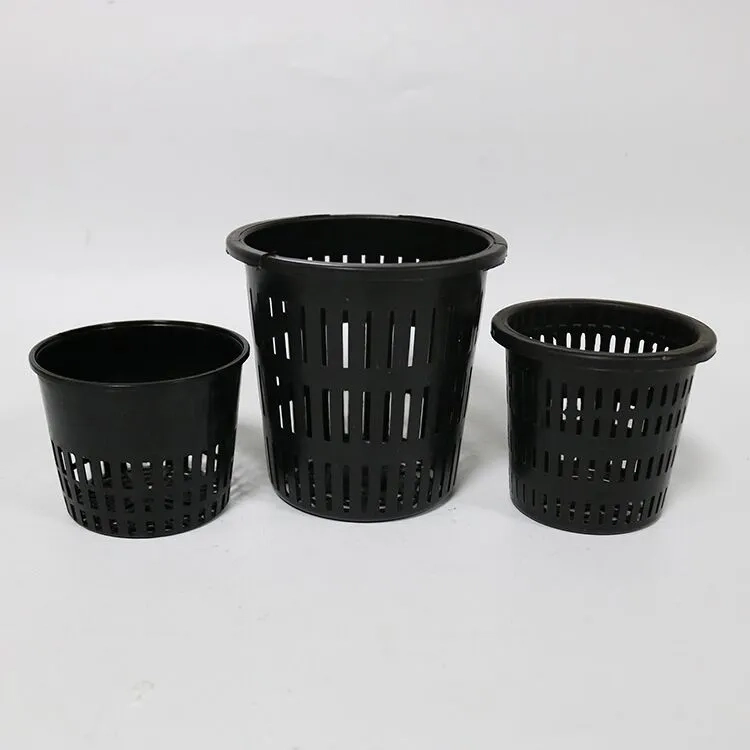
Net pots are the main parts of hydroponic systems. They act as holders for plant roots. They let the right nutrients in. These pots have holes. This lets water and oxygen move freely to the roots. It pushes healthy plant growth. Unlike dirt farming, hydroponic systems count on net pots for body hold. The nutrient water gives food.
How Net Pots Support Root Health and Plant Growth
Net pots keep root health. They give the right drain and air. In a hydroponic setup, roots sit in nutrient water. They still need oxygen. The hole design of net pots lets water and air move easily. This gives roots the nutrients they want. This matters in hydroponics. The right mix of water, air, and nutrients is key to plant growth.
The Importance of Proper Drainage and Airflow
In hydroponics, good drainage and airflow prevent water from piling up. They make sure the roots get enough oxygen. Net pots let water drain freely. They help airflow. This fights root sickness like rot. It pushes the best root rise. A good drain also keeps the hydroponic system steady. Plants get nutrients and air to do well.
Environmental Impact of Traditional Net Pots vs Recycled Options
Old plastic net pots add to the plastic waste issue. They are strong and good for plant growth. But they come from one-use plastic. This can take hundreds of years to break. Recycled net pots give a green swap. They reuse plastic after use. This cuts the need for new plastic to be made. It lowers waste.
The Environmental Footprint of Plastic Net Pots
Plastic net pots come from new plastic. This adds to the world’s plastic mess. A big part comes from plastic goods like farm ones. Making plastic pots takes good supplies and energy. It adds to carbon out. Recycled net pots fix this. They use materials already made. They cut the green hit of hydroponic farming.
How Recycled Net Pots Help Reduce Waste in Hydroponics
Recycled net pots come from used and tossed plastic. They give it new life in a hydroponic system. Farmers pick recycled materials. This cuts the demand for new plastic goods. It backs the circular economy. Materials get used again, not thrown. This lowers plastic waste in landfills and oceans. It helps ease the world’s plastic mess.
Advantages of Using Recycled Materials in Hydroponics
Using recycled materials in hydroponics has many benefits. It cuts a full green hit. It backs waste cut. It pushes material reuse. Recycled net pots give the same work as old plastic pots. They hold roots well. They drain best. They give airflow. Plus, they cost less often. This makes them money, good for city farmers. They want to cut green hit-and-run costs.
Benefits of Recycled Net Pots for Sustainable Urban Farming
Recycled net pots are a key tool for green city farming. They give cheap, green swaps to old plastic pots. They keep working hard. City farmers pick recycled net pots. They cut green hit. They lower costs. They have a better food-making system.
Reducing Plastic Waste and Promoting the Circular Economy
Recycled net pots cut plastic waste. They give tossed plastic new life. This backs the circular economy. Goods and materials get reused, not dropped. Recycling keeps good materials in use longer. It cuts the need for new plastic to be made. It lowers waste. Towns face plastic waste issues. Using recycled net pots can play a big role in a green farm system.
Cost-Effectiveness for Urban Farmers
Recycled net pots cost less than old plastic pots. They give city farmers money, a good fix for hydroponic systems. Small city farms have tight money. Recycled net pots cut run costs. They keep the same plant hold, and growth is good. This makes them a nice pick. Farmers want green ways without more spending.
Supporting Local Agriculture and Reducing Carbon Footprint
City farmers use recycled materials. They help local farming. They cut the carbon hit. This fits the green rules. It aims at low green hit and local food push. Recycled materials make a better farm system. They back the goal to cut the big farm needs. They lower the carbon output.
TIDESTAR’s Role in Promoting Sustainable Urban Farming
At TIDESTAR, we work to push green city farming ways. We give new hydroponic fixes for fun growers and business ones. We know green matters in city farming. Our products cut waste. They save supplies. They push green ways. Our hydroponic systems include recycled net pots and energy-efficient grow lights. They help city farmers grow crops well and right.
TIDESTAR’s Commitment to Sustainability
Green sits at the heart of TIDESTAR’s work. We keep making and building new products. They cut green hit. They save supplies. They push green ways. From LED grow lights to recycled net pots, we give fixes. They back green farming. They make sure the best plants rise and produce. We aim to help city farmers do green farming. It helps the Earth and its work.
Innovative Hydroponic Solutions and Recycled Products
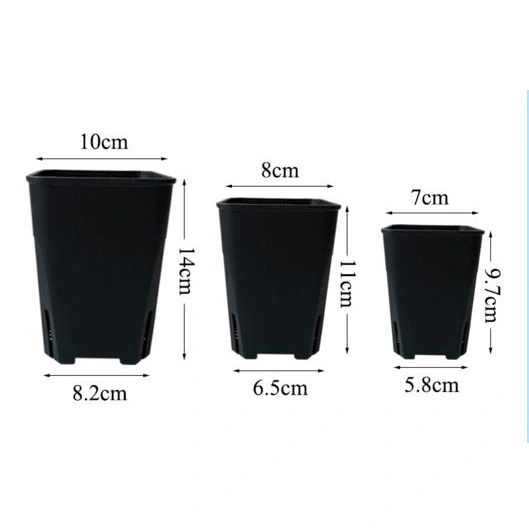
We give new hydroponic systems. They help city farmers grow crops well. They cut green hit. Our recycled net pots give a green swap to old plastic pots. They cut plastic waste. They give the same work and strength. We add recycled materials to products. We are back in the circular economy. We help create a greener future.
How TIDESTAR Supports Eco-Friendly Agricultural Practices
TIDESTAR gives many products. They back green farm ways. These include energy-good grow lights and green hydroponic systems. City farmers pick TIDESTAR fixes. They cut green hit. They grow crops better. They help a greener farm system. We work to push green farming ways. We give city farmers tools to do well.
FAQ
Q: What are the benefits of using recycled net pots in hydroponic systems?
A: Recycled net pots help reduce plastic waste, lower costs, and promote sustainable farming practices by reusing plastic materials that would otherwise contribute to environmental pollution.
Q: How do recycled net pots compare to traditional plastic pots in terms of performance?
A: Recycled net pots offer the same level of performance as traditional plastic pots, providing excellent support for plant roots, optimal drainage, and sufficient airflow for healthy growth.
Q: Can recycled net pots be used in all types of hydroponic systems?
A: Yes, recycled net pots are suitable for use in a variety of hydroponic systems, including deep water culture, nutrient film technique, and aeroponics.
Q: Are recycled net pots durable enough for long-term use in hydroponic farming?
A: Yes, recycled net pots are made from high-quality materials that are durable and designed to withstand long-term use in hydroponic systems.
Q: How can I find reliable suppliers for recycled net pots in hydroponics?
A: Recycled net pots can be found through reputable hydroponic equipment suppliers who offer eco-friendly solutions for urban farmers and commercial growers.