How Is Vertical Hydroponics Transforming Urban Agriculture in Smart Cities?
What Makes Vertical Hydroponics Suitable for Urban Environments?
Space Efficiency and Scalability in Densely Populated Areas
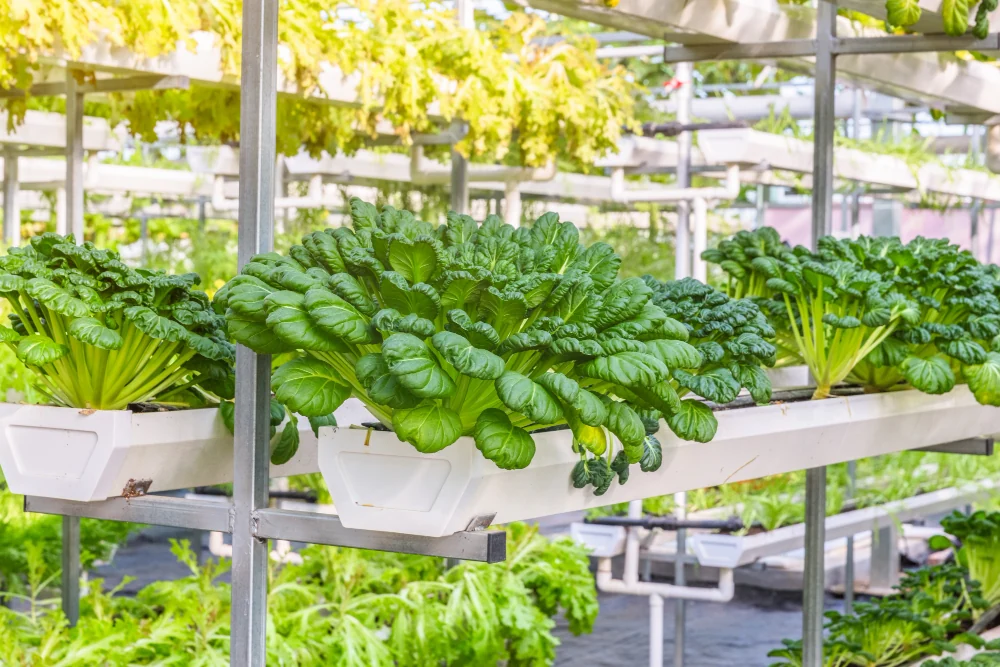
Vertical hydroponics fits city farming well. It raises crop output in tight spots. This suits smart cities with scarce land. Plants stack in layers. Growers use warehouses, rooftops, or indoor areas. No extra land is needed. This matters in packed city spots. Hydroponic setups skip soil. Crops grow in nutrient-rich water. The system is light and easy to grow.
Think of a city rooftop farm. It yields fresh greens all year. This frees ground for other uses. TIDESTAR’s systems scale with simple modules.
Reduction of Transportation and Supply Chain Costs
Vertical hydroponics puts food production near buyers. City farms are close to stores. This lowers shipping fees, waste, and carbon from long hauls. It creates tougher, greener food chains. In smart cities pushing for less harm and steady food, vertical hydroponics gives a solid answer.
Which Crops Thrive in Vertical Hydroponic Systems?
Leafy Greens, Herbs, and High-Value Produce
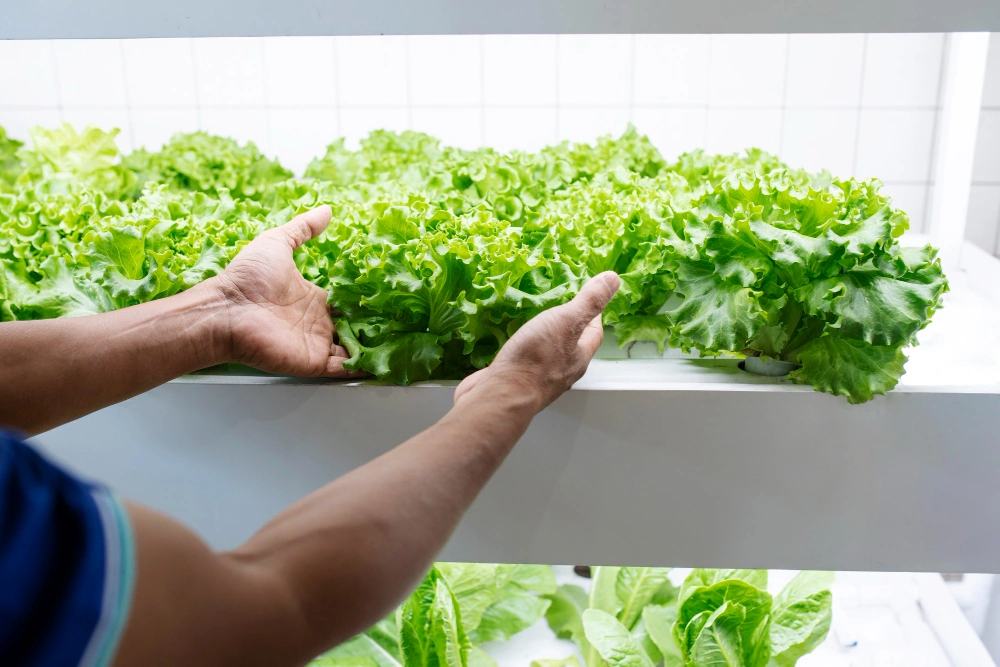
Vertical hydroponic setups work best with quick-growing, valuable crops. Leafy greens like lettuce, spinach, and kale succeed. Herbs such as basil and mint are favorites, too. These need small roots. They like controlled spaces where light, humidity, and nutrients stay balanced. Fast harvests make them money-makers for city farmers.
Nutrient-Dense Crops for Local Markets
Vertical hydroponics handles strawberries, microgreens, and some edible flowers, too. These draw health-minded city shoppers and fancy stores. Even quality and supply year-round fill urban nutrition gaps. This boosts local work and growth.
How Does Vertical Farming Address Environmental Challenges?
Water Conservation Compared to Traditional Farming
Vertical hydroponics uses up to 90% less water than soil-based agriculture by recycling water within closed systems. Instead of leaching into the ground or evaporating, water enriched with nutrients flows directly to plant roots and is recaptured for reuse. This aids cities with low water or dry times.
Minimization of Pesticide Use and Soil Degradation
Indoor hydroponic farms stay neat. Pests stay out. Growers reduce or drop chemical pesticides. No soil stops erosion, salt rise, or nutrient drain. This keeps farming going strong without cutting output or quality.
What Role Does IoT Play in Enhancing Vertical Hydroponic Efficiency?
How Are IoT Sensors Used in Monitoring Crop Conditions?
Real-Time Tracking of Temperature, Humidity, and pH Levels
IoT sensors in vertical hydroponic systems send live data on the main factors. They watch temperature, humidity, pH, and nutrient amounts. These matter for plant health at each step. A3logics notes steady checks catch tiny changes that could hurt crops.
Automated Alerts for System Anomalies or Failures
IoT tools send fast warnings if data goes wrong. Operators handle fixes like gear breaks or nutrient shifts quickly. This keeps farms steady and lowers losses.
In What Ways Does IoT Enable Remote Farm Management?
Cloud-Based Dashboards for Multi-Site Control
IoT connects to cloud setups. Managers run many farms from one screen. They view data, set conditions, and change things from afar. This helps growth and cuts staff time.
Integration with Mobile Apps for Instant Decision-Making
Mobile apps link to IoT. Managers see live info anywhere. They adjust lights or nutrients fast. This leads to quick steps for healthier crops and better yields.
How Does IoT Improve Resource Optimization in Urban Farms?
Precision Irrigation and Nutrient Delivery Systems
IoT backs exact farming. Water and nutrients go just where needed. This drops waste and aids growth. Smart pumps change flows from sensor info.
Predictive Maintenance of Equipment to Reduce Downtime
IoT follows gear health over time. It finds early wear on pumps or lights. Planned repairs stop surprises and lengthen tool life.
Can AI Integration With Vertical Hydroponics Improve Yield and Profitability?
How Is ChatGPT Being Used to Support Decision-Making in Farming Operations?
Natural Language Interfaces for Farm Data Interpretation
AI like ChatGPT uses easy words for data questions. Users ask about patterns simply. They get useful answers right away. This helps everyday users handle tech.
AI-Driven Recommendations Based on Historical Trends
AI looks at old farm data. It spots trends in growth, resource use, or settings. It gives tips on planting, climate changes, or nutrient plans for certain crops.
What Are the Benefits of AI-Powered Crop Management Algorithms?
Adaptive Lighting and Climate Control Based on Growth Stages
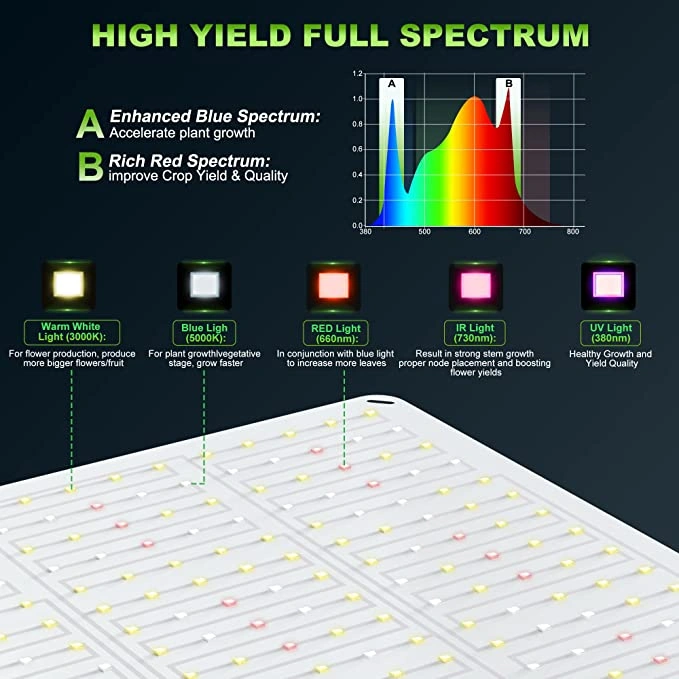
AI shifts light power, color, and time by growth step—seedling, vegetative, or flowering. This raises photosynthesis and saves power. Our light range comes from years of tests and user notes. It grows bigger leaves or denser flowers for each plant.
Forecasting Harvest Times and Market Demand with Machine Learning
Machine learning uses past yields to guess harvest dates well. AI checks market changes to match output with busy sales times.
How Do AI Models Help Reduce Operational Costs in Urban Farming?
Labor Automation Through Robotics and Smart Scheduling
AI takes care of daily jobs like seeding, moving plants, harvesting, and packing. Smart plans set tasks based on current needs and forecasts.
Energy Consumption Analysis for Sustainability Goals
AI checks energy in climate tools, lights, and pumps. It spots waste and suggests better options. This lowers power bills without hurting crops. It helps with money and green aims.
Why Is TIDESTAR’s Vertical Hydroponics System a Game-Changer for Smart Agriculture?
Who Are We at TIDESTAR and What Do We Offer?
TIDESTAR began in 2008. We make and sell indoor plant growth items. Our home is in Yongkang City, Zhejiang Province, China. We give high-quality, fresh ideas for indoor gardening and plant care. With over ten years of experience, TIDESTAR has a full set of products. These cover LED grow lights, hydroponic systems, and other main tools for indoor growth. Customers get aid from our photobiologist from seed to sale. Our advanced grow lights lift crop amounts clearly. They cut energy with a set light range from UV-A to far-red, more than basic LEDs.
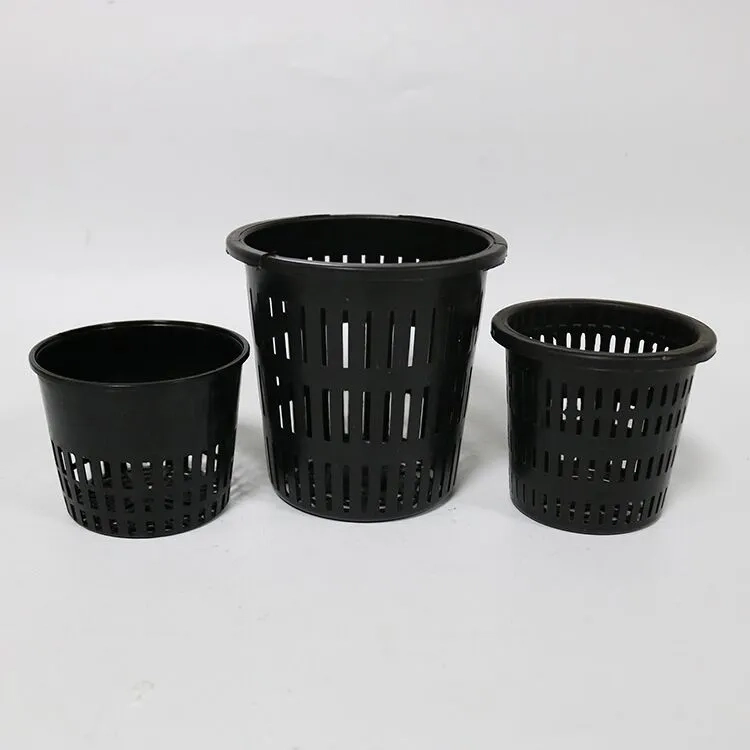
A small city farm can set up TIDESTAR’s hydroponic grow trays. They back even watering with ebb-and-flow methods. This lowers plant loss from bad watering. Big areas water themselves well.
What Support Services Does TIDESTAR Provide to Ensure Success?
TIDESTAR shines with complete custom help. We handle design, making, and after-sales care. Through light, we raise yield and quality, lower energy, and start new growing ways. Our Plastic Hydroponics Grow System Nursery Table Tray fits well with watering like ebb-and-flow systems. Plants get even water, cutting losses from uneven care. An entire acre or more waters itself easily. Our worldwide network reaches 50+ countries. Eight out of ten top agricultural firms trust us. We supply tested answers for the coming smart city farming.
FAQ
Q: What is vertical hydroponics, and how does it work?
A: Vertical hydroponics grows plants in stacked layers with nutrient water instead of soil. It saves space and resources. Automation sets conditions just right.
Q: Which crops are best suited for vertical hydroponic farming?
A: Crops like lettuce, spinach, basil, kale, strawberries, microgreens, and edible flowers work well. They are small and grow fast.
Q: How does IoT benefit vertical hydroponic systems?
A: IoT watches temperature, humidity, pH, and nutrients live. It sends alerts for problems. Remote control uses apps and cloud screens.
Q: Can AI improve crop yield in vertical hydroponics?
A: Yes. AI sets lights by growth step, guesses harvests from old data, lowers energy, and automates jobs.
Q: How do I choose a reliable vertical hydroponic system brand?
A: Pick ones with plant tech know-how, like TIDESTAR. We are trusted by 8 out of the 10 largest agricultural companies. We give full help from design to service.